Color Season Analysis Beginner’s Guide
- What Is Color Season Analysis?
- 3 Easy Steps to Determine Your Season Color
- The 12 Seasons Color Analysis Guide
- The 12 Color Seasons Explained
- Common Signs You’ve Found the Right Color Season
- Key Takeaways
- FAQs
Let’s get started!
If you’ve ever wondered why some colors make you look radiant while others leave you looking tired, seasonal color analysis may have the answer. The concept is simple: certain colors naturally harmonize with your skin tone, hair color, and eye color, making your complexion appear brighter and more balanced.
In this guide, I’ll explain how to determine your color season palette and introduce the 12-season color analysis system so you can start building a wardrobe filled with colors that truly flatter you.
What Is Color Season Analysis?
Seasonal color analysis is a method used to identify which colors naturally complement your features. The modern system divides people into 12 color seasons based on three characteristics:
- Temperature (warm or cool)
- Value (light or dark)
- Chroma (bright or muted)
These characteristics help determine which color palette will look most harmonious on you.
3 Easy Steps to Determine Your Season Color
Step 1: Determine If You Are Warm or Cool
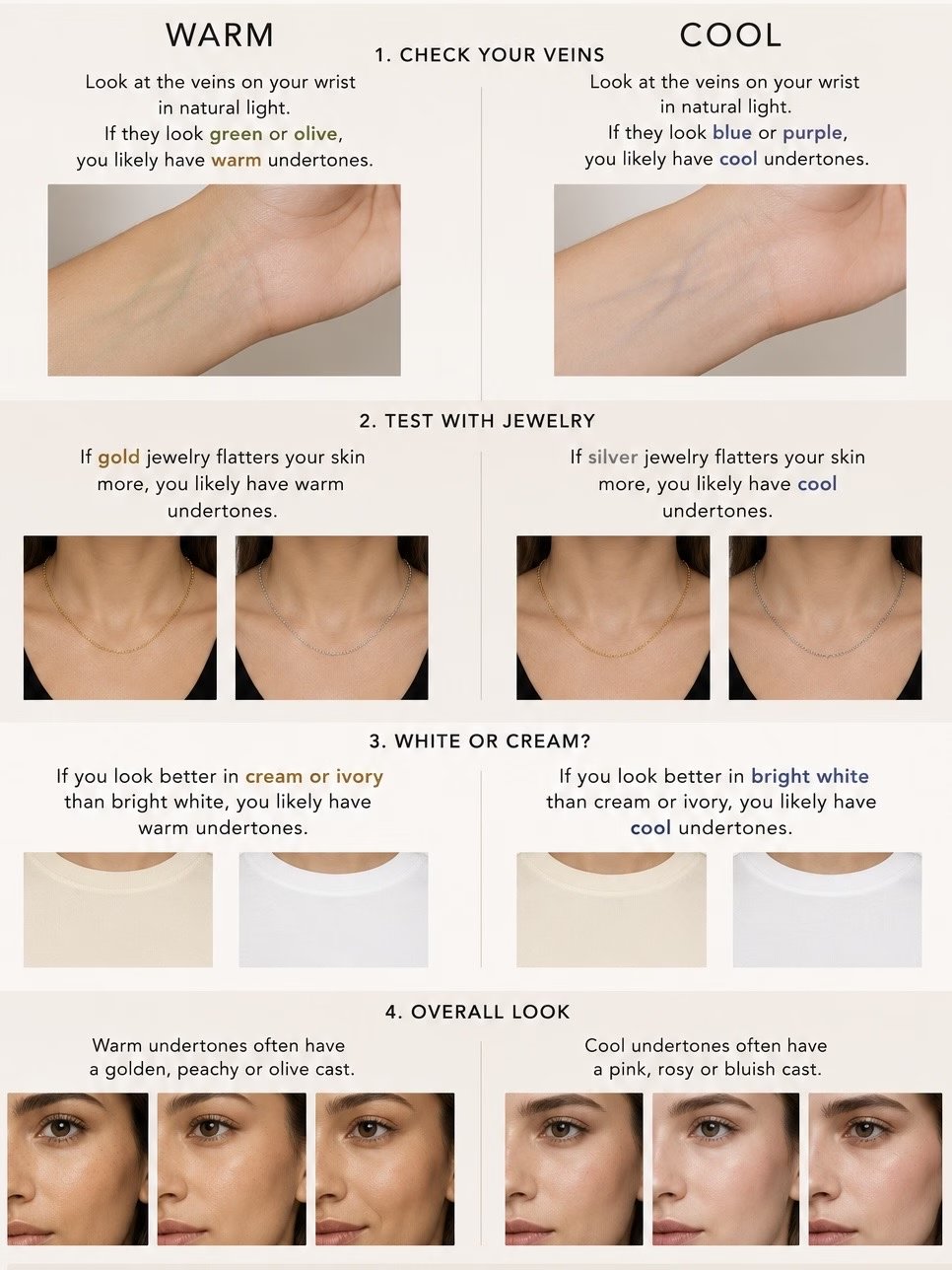
The first step is identifying your undertone.
You May Be Warm If:
- Gold jewelry looks better than silver
- Cream looks better than pure white
- You tan easily
- Earthy colors flatter your complexion
You May Be Cool If:
- Silver jewelry looks better than gold
- Pure white looks better than ivory
- Your skin has pink or rosy undertones
- Cool blues and berry tones look flattering
Step 2: Determine If You Are Light or Dark
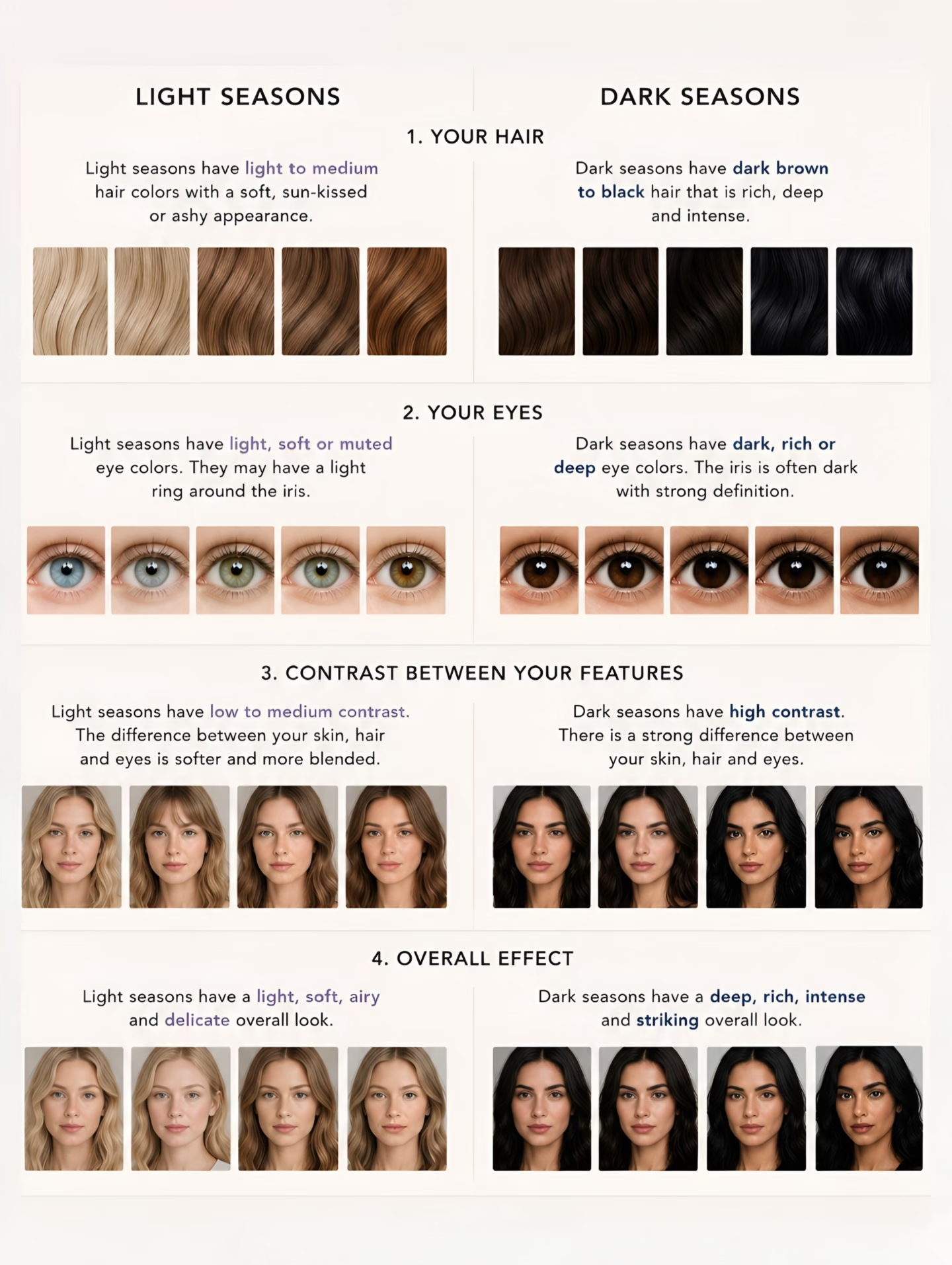
Next, evaluate the depth of your features.
Light Seasons
- Light hair
- Light eyes
- Lower contrast between features
Dark Seasons
- Dark hair
- Dark eyes
- Strong contrast between skin and hair
Step 3: Determine If You Are Bright or Muted
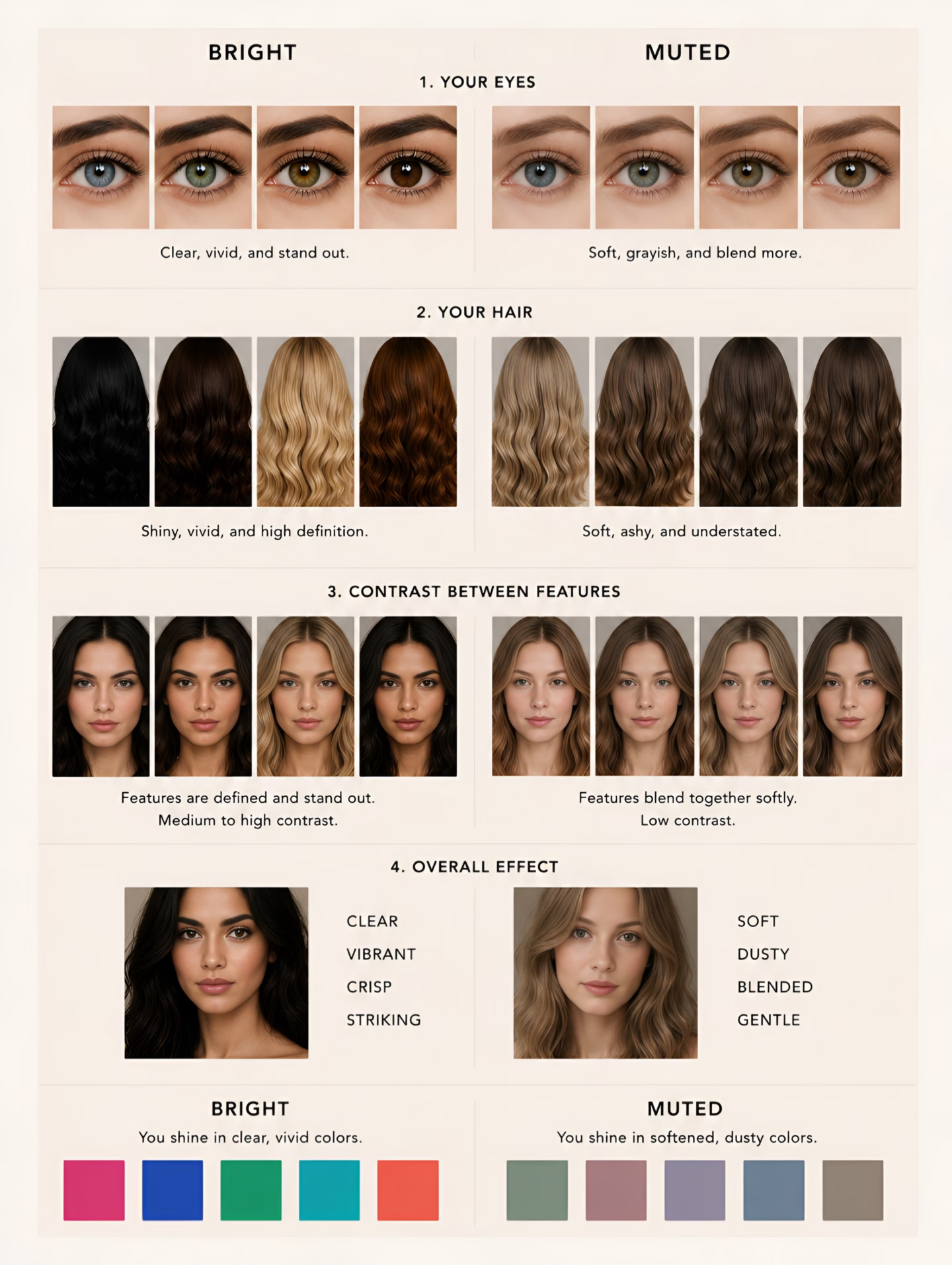
This is often the most overlooked step.
Bright Seasons
- Clear, vivid coloring
- Can wear highly saturated colors
- Bright coral, emerald, and cobalt look flattering
Muted Seasons
- Soft, blended coloring
- Dusty or smoky colors look best
- Bright colors can feel overpowering
The 12 Seasons Color Analysis Guide
Now that you have determined your season color with the 3 steps above, identify your season color against the Color Analysis chart below. The 12 seasons are a refined system based on the 4 main seasons. Each season has 3 sub-seasons with unique characteristics. Which color season palette are you?
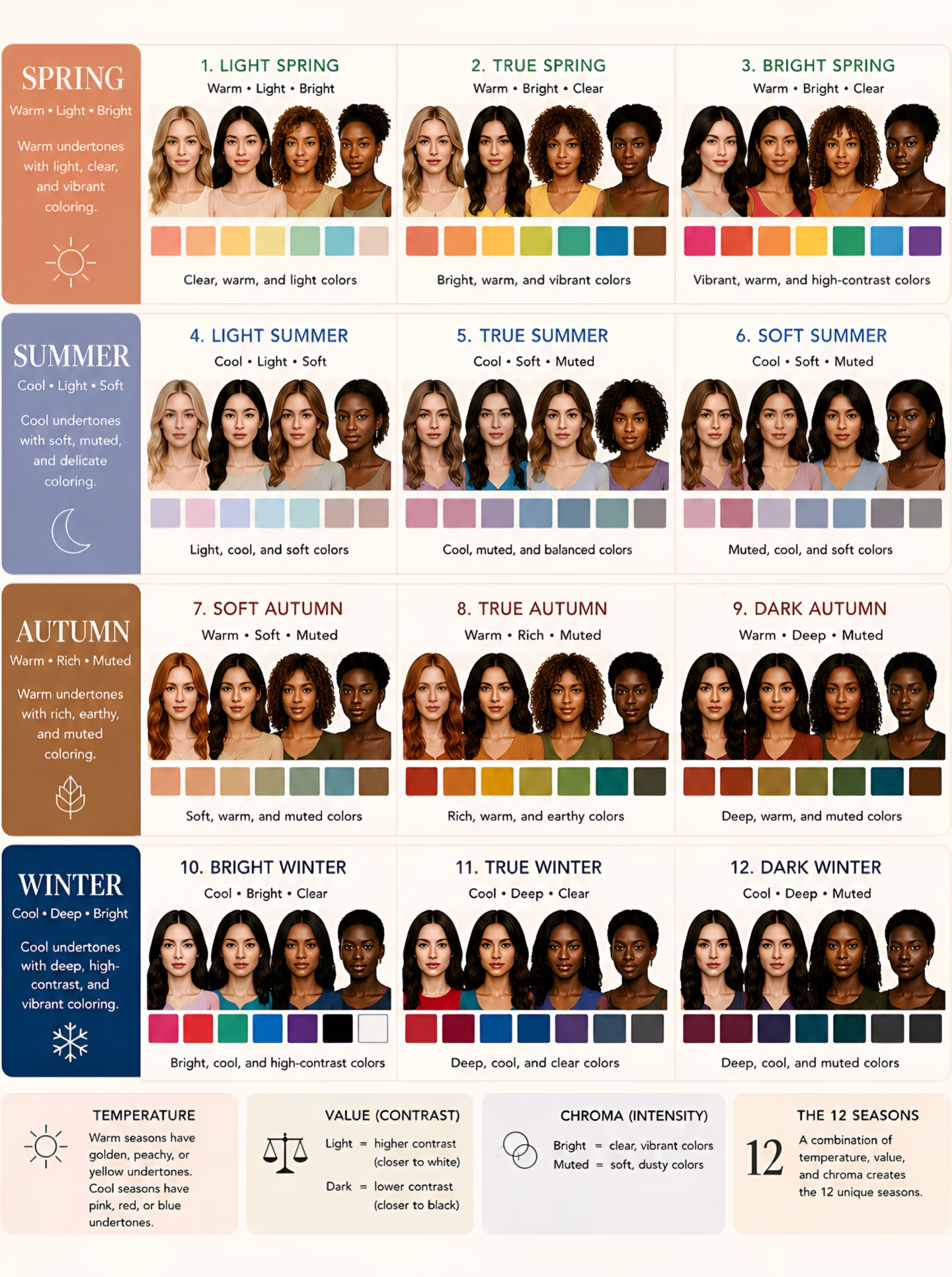
The 12 Color Seasons Explained
1. LIGHT SPRING
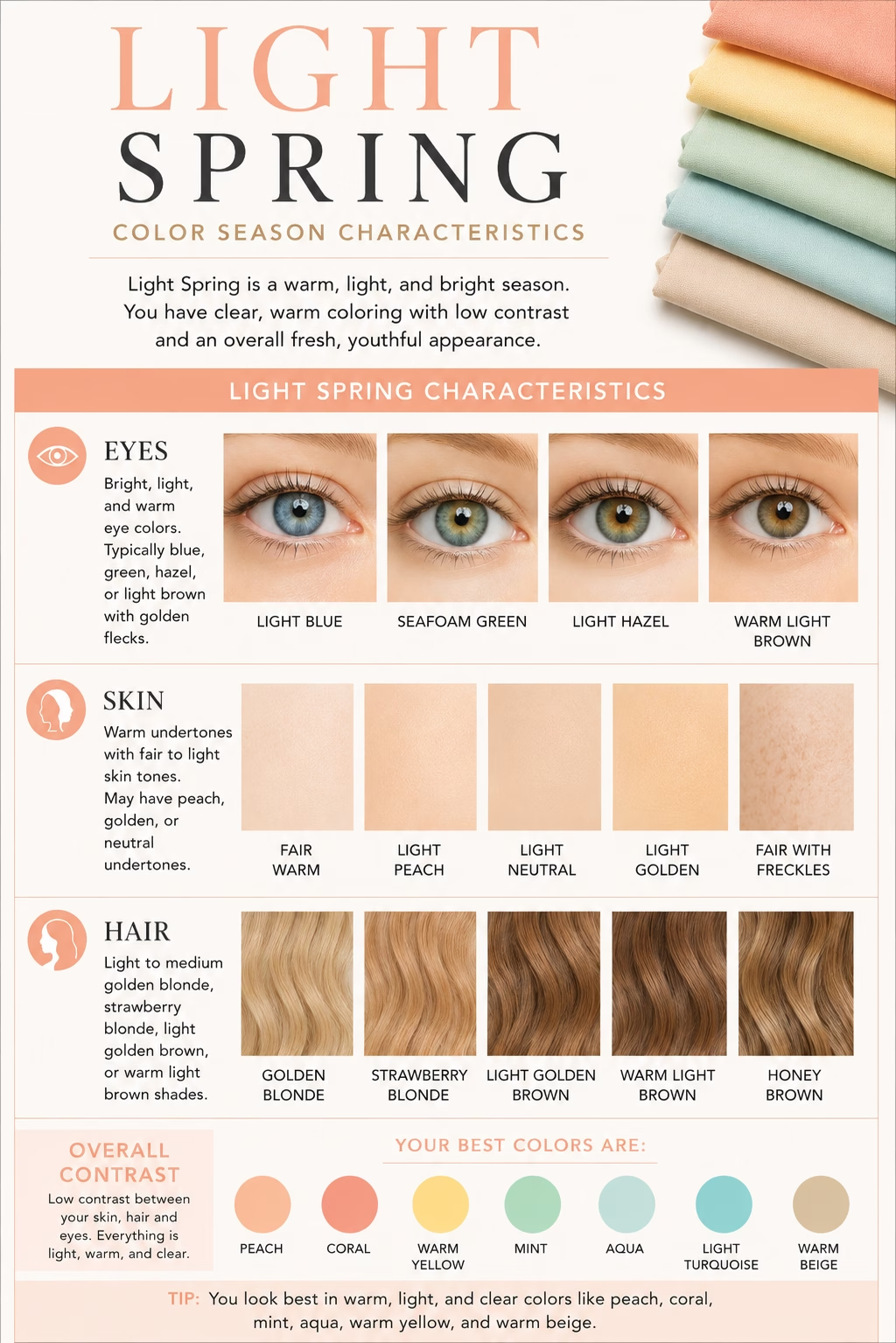
Characteristics:
Light Summer is a warm, light, and bright season. You have a clear, warm coloring with low contrast and an overall fresh, youthful appearance.
EYES:
Bright, light, and warm eye colors. Typically blue, green, hazel, or light brown with golden flecks.
SKIN:
Warm undertones with fair to light skin tones. May have peach, golden, or natural undertones.
HAIR:
Light-to-medium golden blonde, strawberry blonde, light golden brown or warm light brown shades.
OVERALL CONTRAST:
Low contrast between your skin, hair, and eyes. Everything is light, warm, and clear.
2. TRUE SPRING
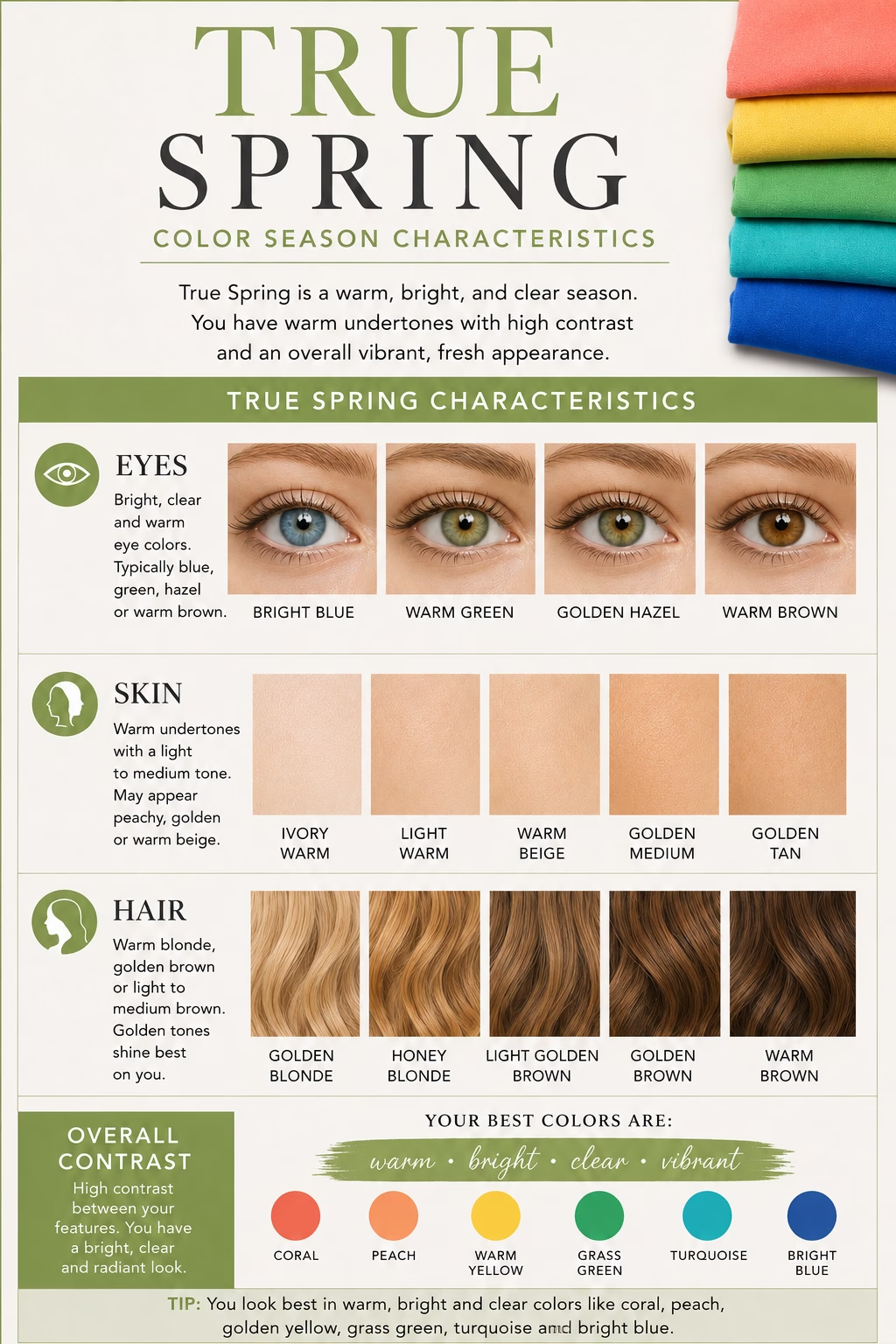
Characteristics:
True Spring is a warm, bright, and clear season. You have warm undertones, high contrast, and an overall vibrant, fresh appearance.
EYES:
Bright, clear, and warm eye colors. Typically blue, green, hazel, or warm brown.
SKIN:
Warm undertones with light to medium tone. May appear peachy, golden or warm beige.
HAIR:
Warm blonde, golden brown. Golden tones shine best on you.
OVERALL CONTRAST:
High contrast between your features. You have a bright, clear, and radiant look.
3. BRIGHT SPRING
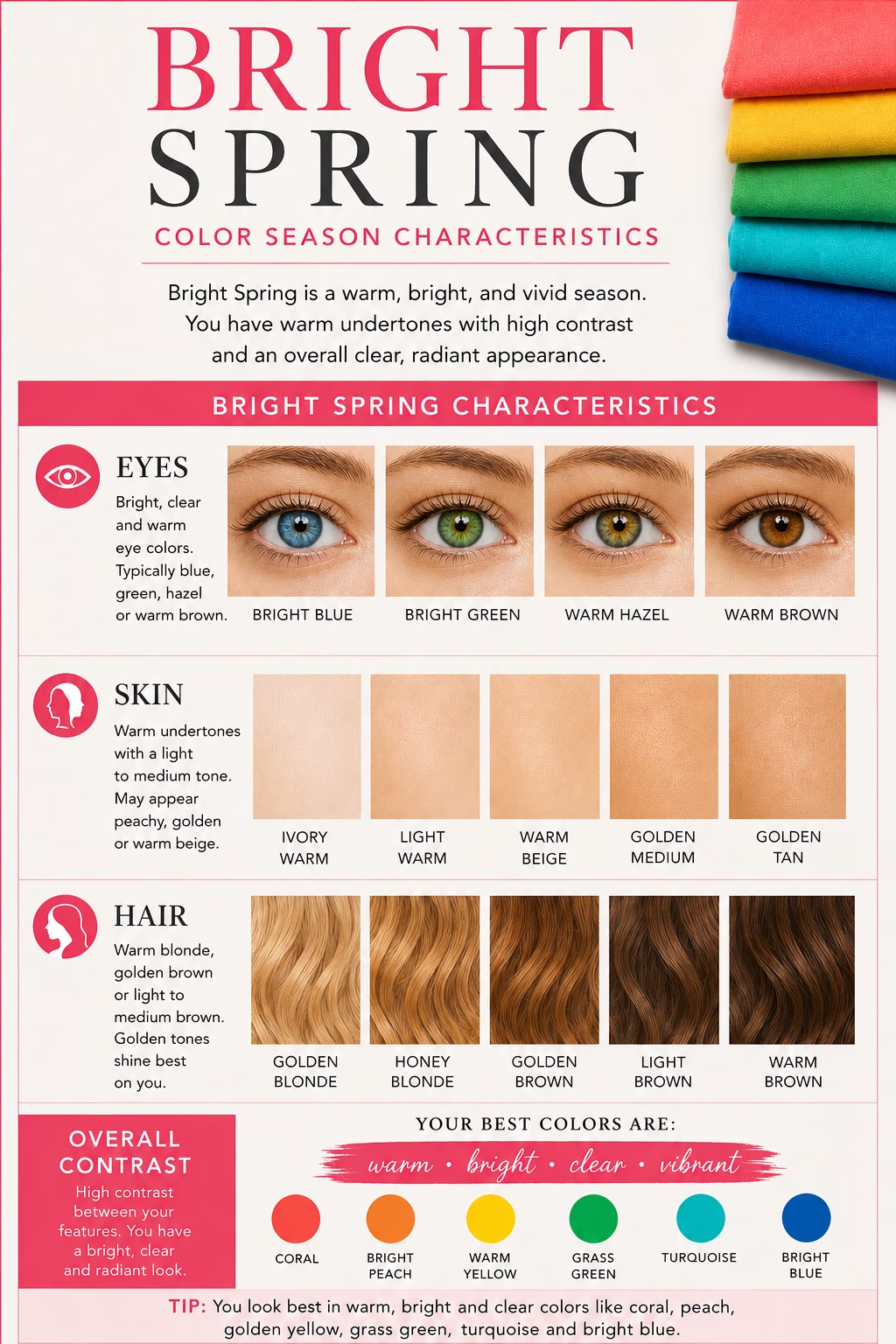
Characteristics:
Bright Spring is a warm, bright, and vivid season. You have warm undertones with high contrast and an overall clear, radiant appareance.
EYES:
Bright, clear, and warm eye colors. Typically blue, green, hazel, or warm brown.
SKIN:
Warm undertones with light to medium tone. May appear peachy, golden, or warm beige.
HAIR:
Warm blonde, golden brown, or light to medium brown. Golden tones shine best on you.
OVERALL CONTRAST:
High contrast between your features. You have a brighty, clear and radiant look.
4. LIGHT SUMMER
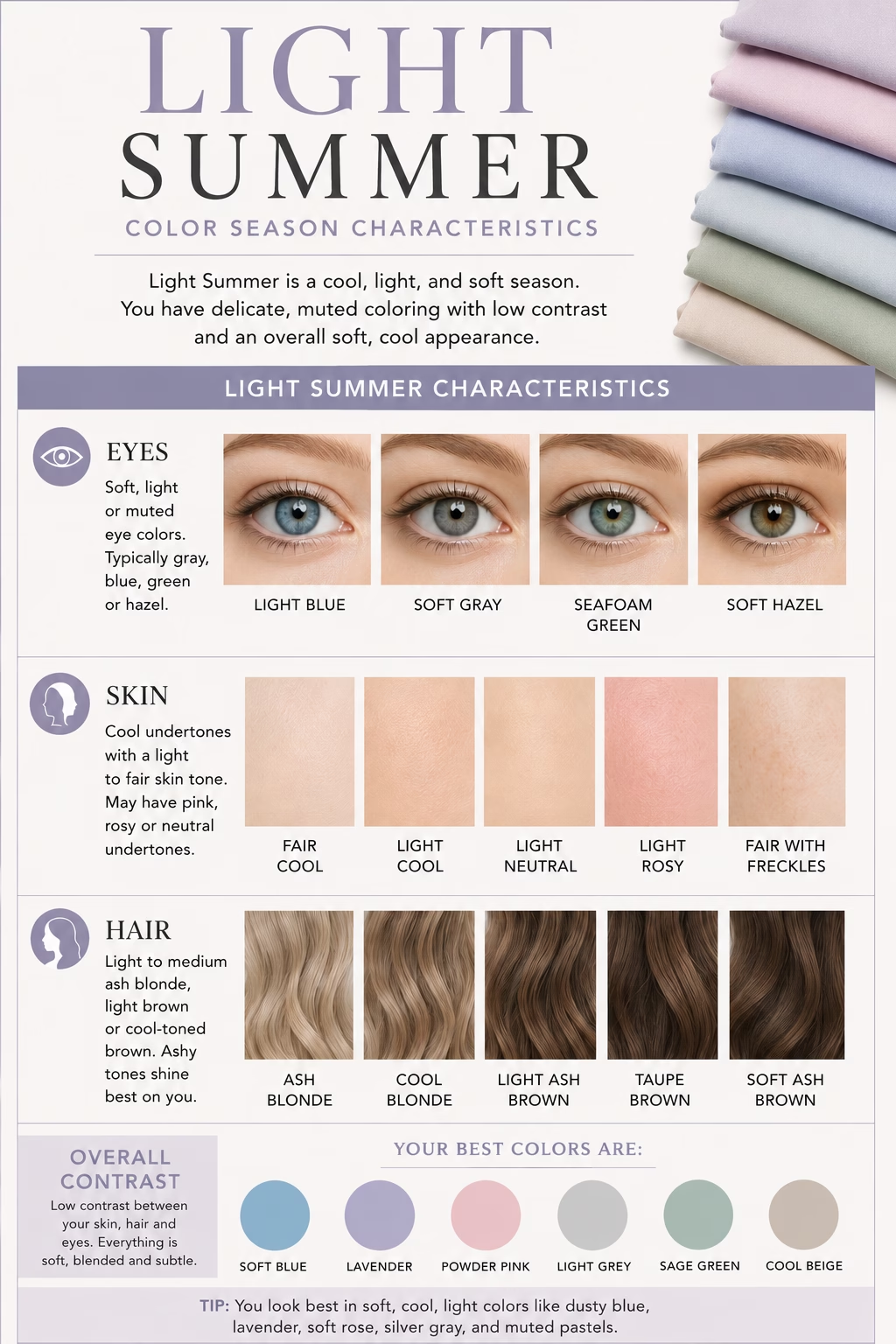
Characteristics:
Light Summer is a cool, light, and soft season. You have a delicate, muted coloring with low contrasts and an overall soft, cool appearance.
EYES:
Soft, light, or muted eye colors. Typically gray, blue, green or hazel.
SKIN:
Cool undertones with a light-to-fair skin tone. May have pink, rosy, or neutral undertones.
HAIR:
Light-to-medium ash blonde, light brown, or cool-toned brown. Ashy tones shine best on you.
OVERALL CONTRAST:
Low contrast between your skin, hair, and eyes. Everything is soft, blended, and subtle.
5. TRUE SUMMER
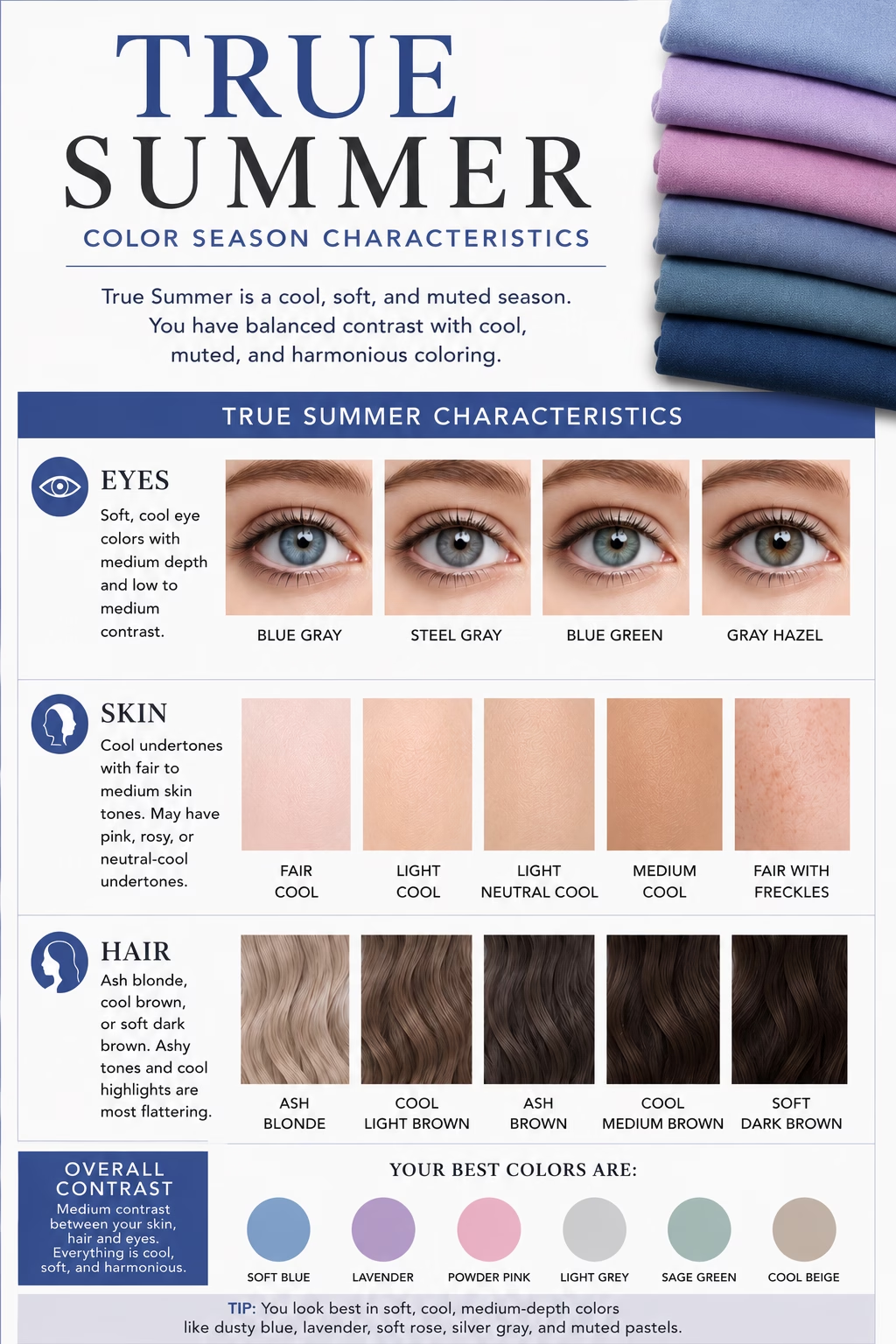
Characteristics:
True Summer is a cool, soft, and muted season. you have balanced contrast with cool, muted, and harmonious coloring.
EYES:
Soft, light, cool eye colors with medium depth and low ro medium contrast.
SKIN:
Cool undertones with fair to medium skin tones. May have pink, rosy or neutral-cool undertones.
HAIR:
Ash blonde, cool brown, or soft dark tones and cool highlights are most flattering.
OVERALL CONTRAST:
Medium contrast between your skin, hair, and eyes. Everything is cool, soft, and harmonious.
6. SOFT SUMMER
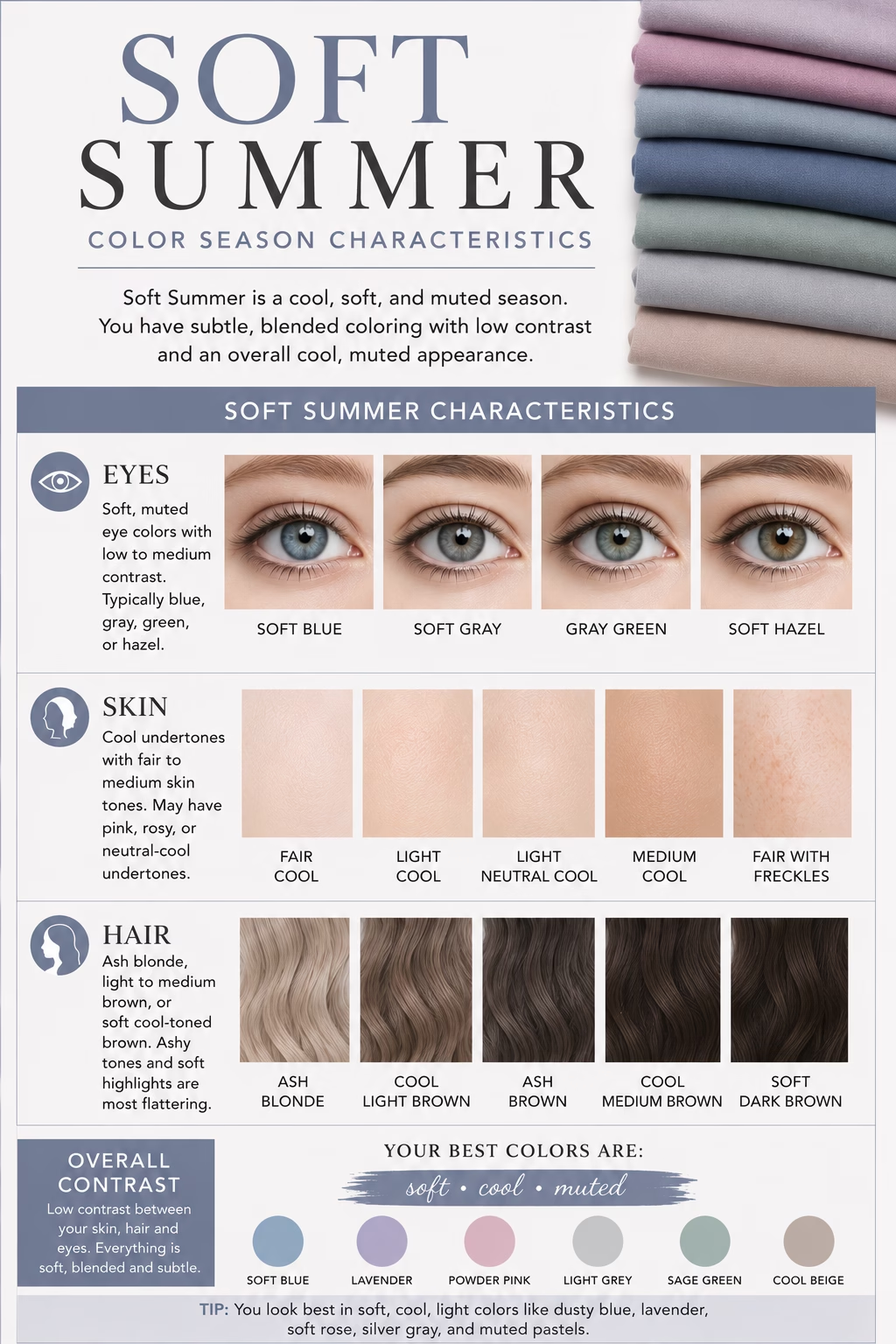
Characteristics:
Soft Summer is a cool, soft, and muted season. You have subtle, blended coloring with low contrast and an overall cool, muted appearance.
EYES:
Soft, muted eye colors with low-to-medium contrast. Typically blue, gray, green, or hazel.
SKIN:
Cool undertones with fair to medium skin tones. May have pink, rosy or neutral-cool undertones.
HAIR:
Ash blonde, light to medium brown, or soft cool-toned brown. Ashy tones and soft highlights are most flattering.
OVERALL CONTRAST:
Low contrast between your skin, hair, and eyes. Everything is soft, blended, and subtle.
7. SOFT AUTUMN
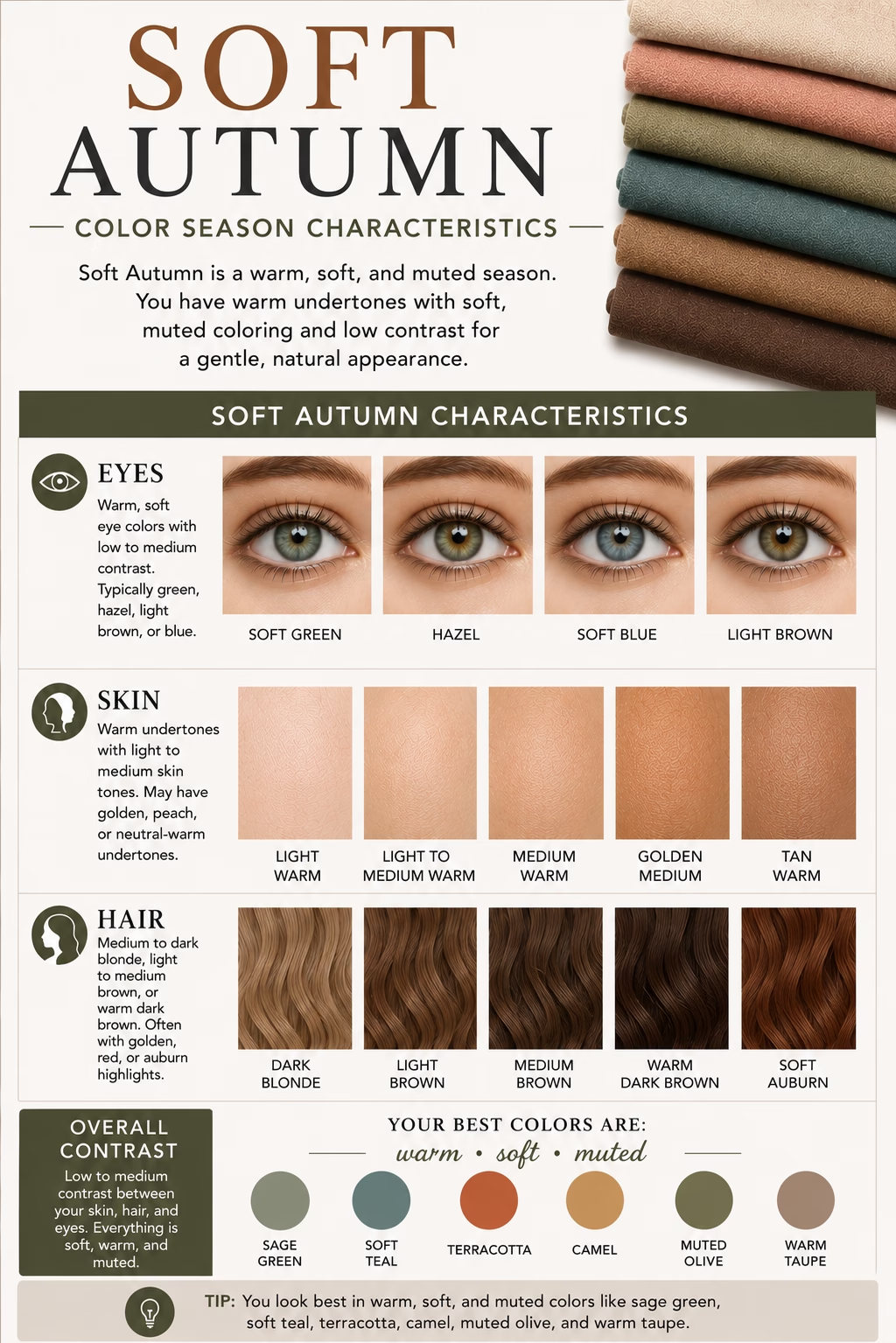
Characteristics:
Soft Autumn is a warm, soft, and muted season. You have warm undertones with soft, muted coloring and low contrast for a gentle, natural appareance.
EYES:
Warm, soft eye colors to medium contrast. Typically green, hazel, light brown, or blue.
SKIN:
Warm undertones with light-to-medium skin tones. May have golden, peach, or neutral-warm undertones.
HAIR:
Medium-to-dark blonde, light-to-medium brown, or warm dark brown. Often with golden red or auburn highlights.
OVERALL CONTRAST:
Low to medium contrast between your skin, hair, and eyes. Everything is soft, warm, and muted.
8. TRUE AUTUMN
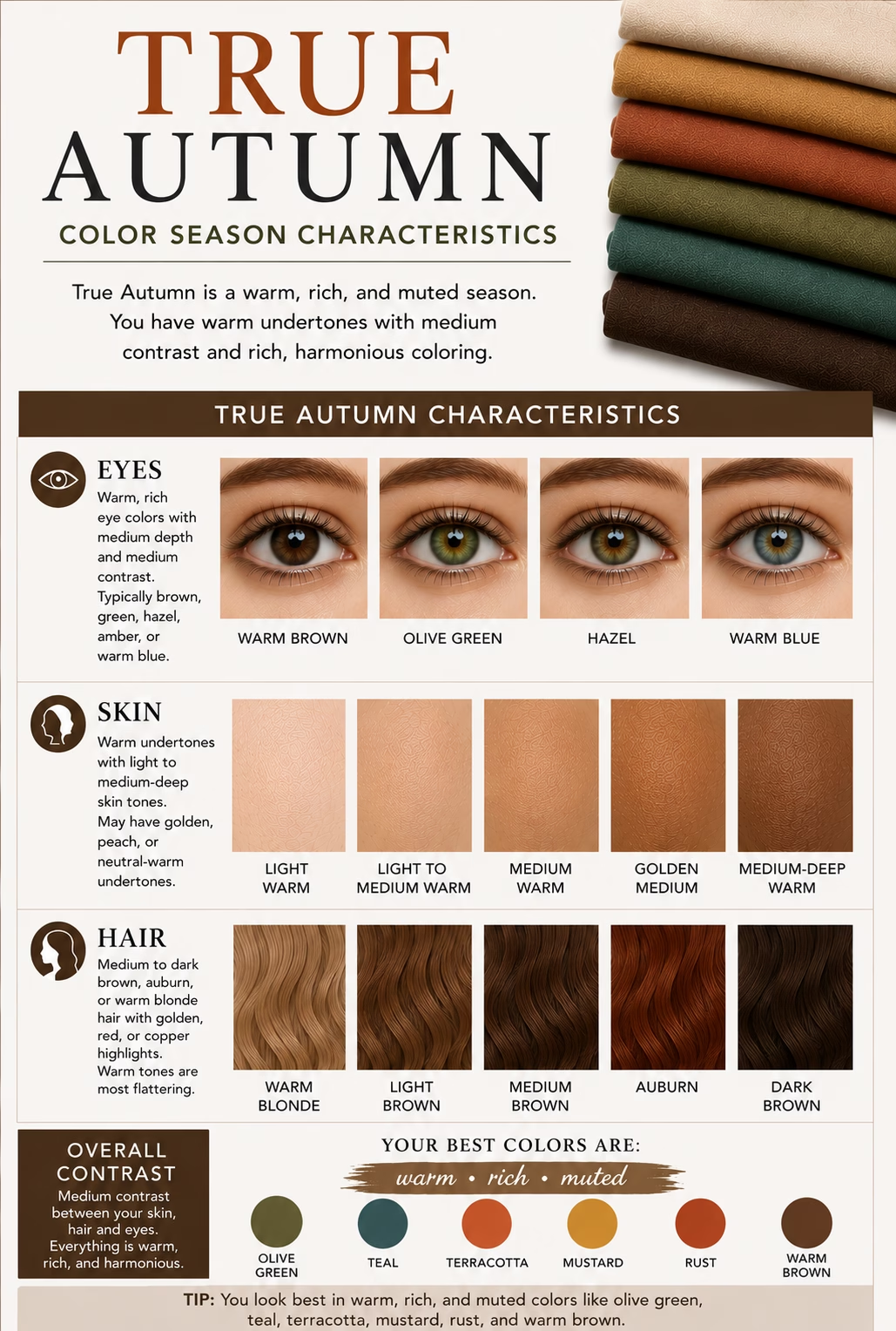
Characteristics:
True Autumn is a warm, rich, and muted season. You have warm undertones with medium contrast and rich, hamonious coloring.
EYES:
Warm, rich eye colors with medium depth and medium contrast. Typically brown, green, hazel, amber, or warm blue.
SKIN:
Warm undertones with light-to-medium-deep skin tones. May have golden peach or neutral-warm undertones.
HAIR:
Medium to dark brown, auburn, or warm blonde hair with golden, red, or copper highlights. Warm tones are most flattering.
OVERALL CONTRAST:
Medium contrast between your skin, hair, and eyes. Everything is warm, rich, and harmonious.
9. DARK AUTUMN
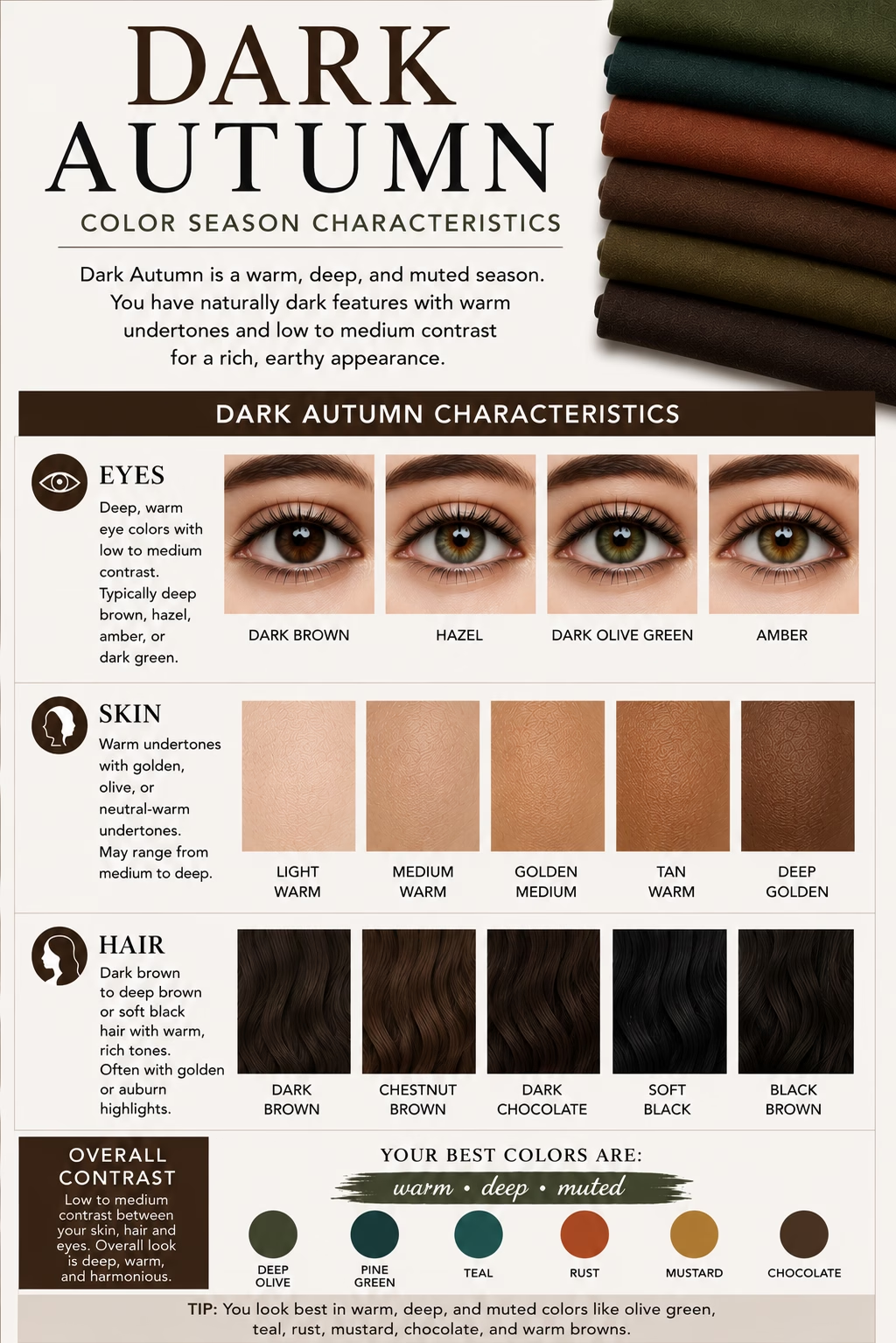
Characteristics:
Dark Autumn is a warm, deep, and muted season. You have naturally dark features with warm undertones and low-to-medium contrast, creating a rich, earthy appearance.
EYES:
Deep, warm eye colors with low-to-medium contrast. Typically deep brown, hazel, amber, or dark green.
SKIN:
Warm undertones with golden, olive, or neutral-warm undertones. May range from medium to deep.
HAIR:
Dark brown to deep brown or soft black hair with warm, rich tones. Often with golden or auburn highlights.
OVERALL CONTRAST:
Low to medium contrast between your skin, hair, and eyes. Overall look is deep, warm, and harmonious.
10. BRIGHT WINTER
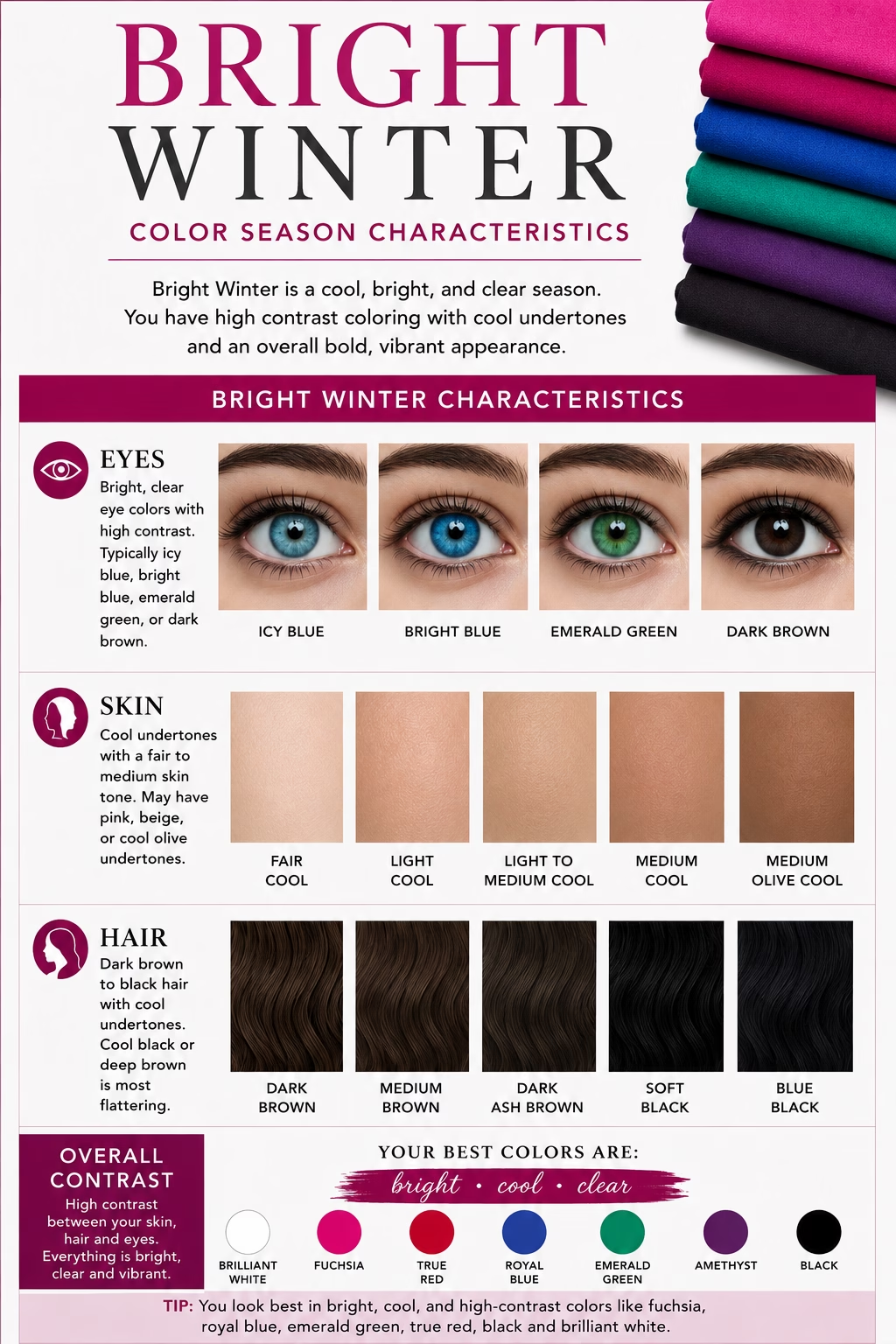
Characteristics:
Bright Winter is a cool, bright, and clear season. You have high contrast coloring with cool undertones and an overall bold, vibrant appearance.
EYES:
Bright, high-contrast eye colors. Typically icy blue, bright blue, emerald green, or dark brown.
SKIN:
Cool undertones with fair to medium skin tones. May have pink, beige or cool olive undertones.
HAIR:
Dark brown to black hair with cool undertones. Cool black or deep brown is most flattering.
OVERALL CONTRAST:
High contrast between your skin, hair, and eyes. Everything is bright, clear, and vibrant.
11. TRUE WINTER
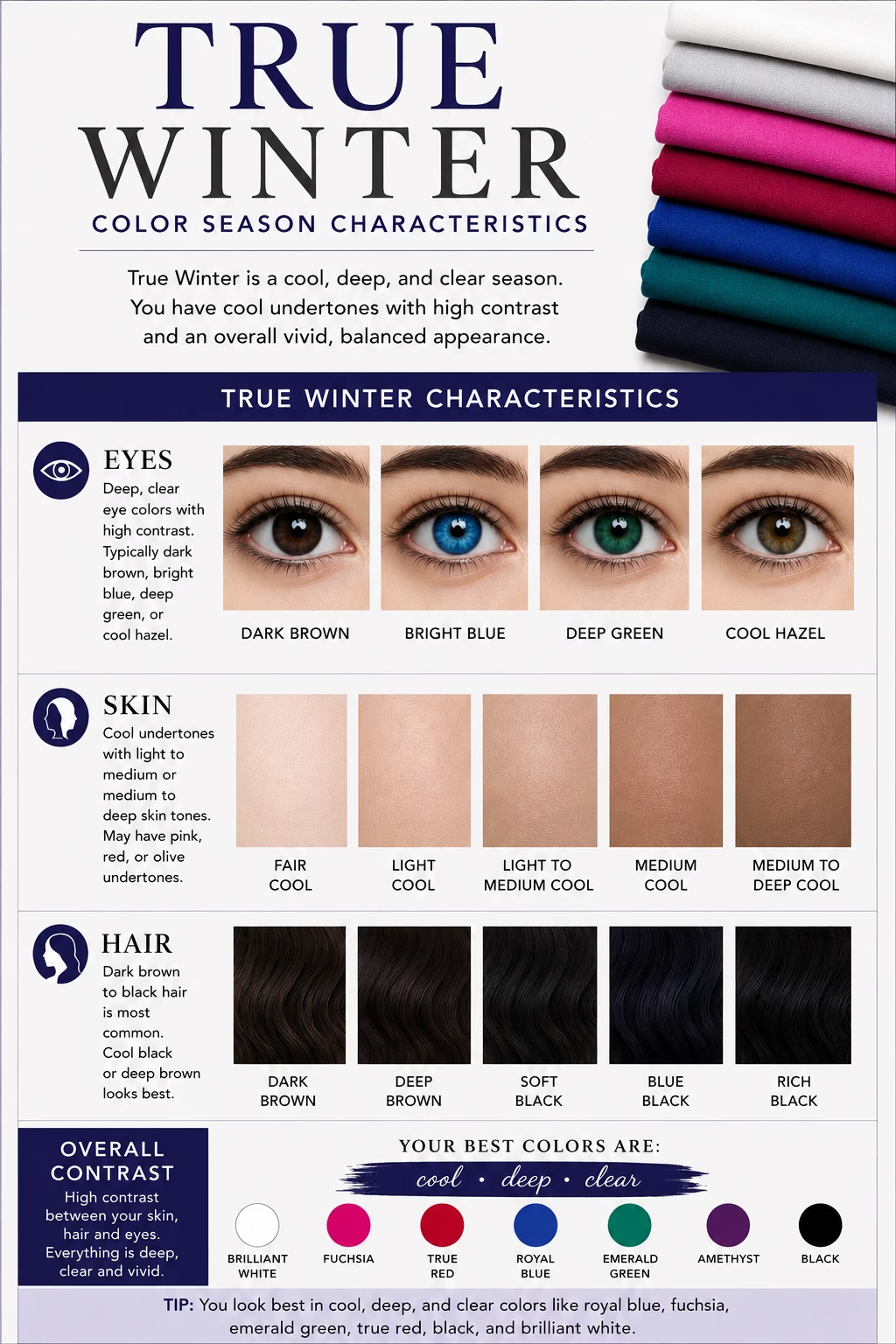
Characteristics:
True Winter is a cool, deep, and clear season. You have a cool undertone with high contrast and an overall vivid, balanced appearance.
EYES:
Deep, clear eye colors with high contrast. Typically dark brown, bright blue, deep green, or cool hazel.
SKIN:
Cool undertones with light to medium to medium to deep skin tones. May have pink, red, or olive undertones.
HAIR:
Dark brown to black hair is most common. Cool black or deep brown looks best.
OVERALL CONTRAST:
High contrast between your skin, hair, and eyes. Everything is deep, clear, and vivid.
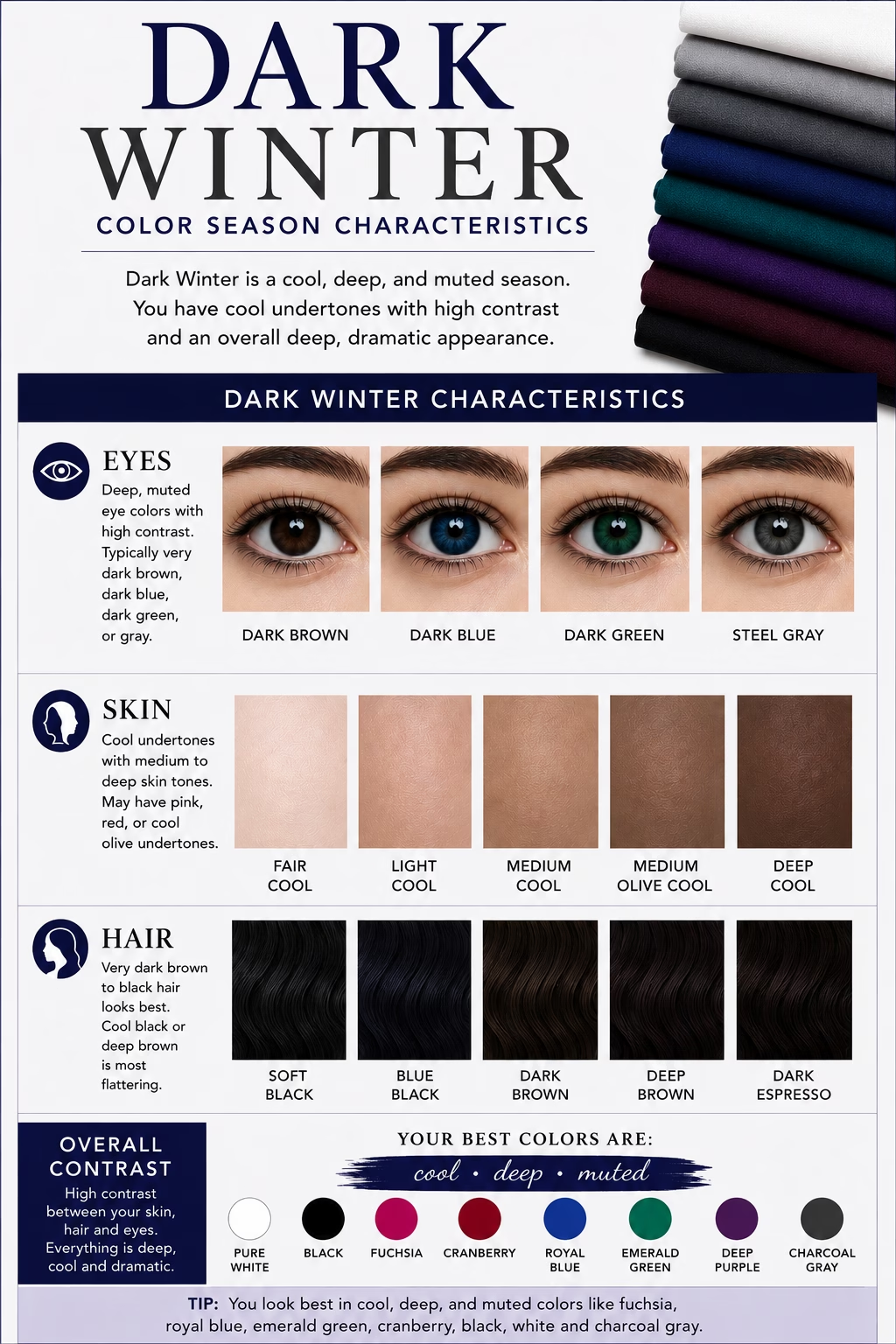
12. DARK WINTER
Characteristics:
Dark Winter is a cool, deep, and muted season. You have cool undertones with high contrast abd an overall deep, dramatic appareance.
EYES:
Deep, muted eye colors with high contrast. typically very dark brown, dark blue, dark green, or gray.
SKIN:
Cool undertones with medium-to-deep skin tones. May have pink, red, or cool olive undertones.
HAIR:
Very dark brown to black hair looks best. Cool black or deep brown is most flattering.
OVERALL CONTRAST:
High contrast between your skin, hair, and eyes. Everything is deep, cool, and dramatic.
Common Signs You’ve Found the Right Color Season
When you are wearing your best colors:
- Your skin appears more even
- Dark circles look less noticeable
- Your eyes appear brighter
- You need less makeup
- People compliment your appearance without knowing why
Key Takeaways
- Seasonal color analysis helps identify your most flattering colors.
- Every season is based on temperature, value and chroma.
- Start by determining whether you are warm or cool.
- Consider whether your features are light or dark.
- Bright or muted coloring can further narrow down your season.
- Wearing the right colors can make your complexion appear healthier and more radiant.
FAQs
Can my color season change over time?
Your natural coloring remains largely the same, although hair color and tanning can influence how certain shades appear on you.
What is the most common color season?
There is no official most common season, but Soft Autumn and Soft Summer are frequently identified in seasonal color analysis.
Can I wear colors outside my season?
Absolutely. Your seasonal palette simply highlights the colors that tend to be most flattering.
Is seasonal color analysis based on skin tone only?
No. It considers your skin tone, hair color, eye color, and overall contrast.
Can I determine my color season without a professional consultation?
Yes. Many people can identify their season using natural-light photos and color draping tests at home.
What is the difference between Soft Autumn and Soft Summer?
Both are muted seasons, but Soft Autumn leans warm while Soft Summer leans cool.
Related Post: