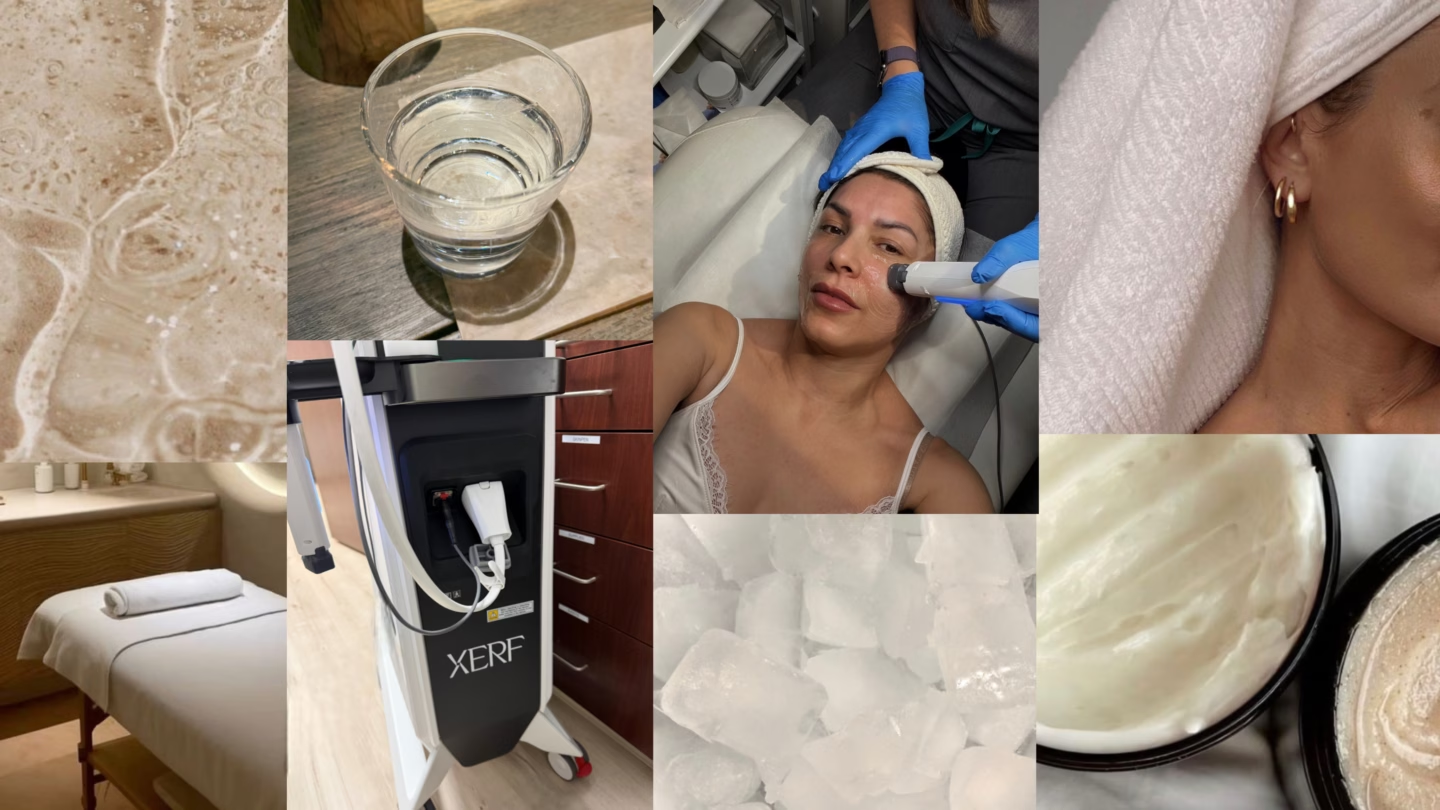
How I Discovered XERF Treatment
I have noticed my jawline isn’t as defined as it used to be, even though I’ve been using facial and Nefertiti Botox for the past 10 years. I just turned 50 and honestly do not want to get a facelift yet, so I am willing to try alternative treatments to delay it. If you’re experiencing similar changes, like your neck developing some crepey texture or your cheeks losing their youthful lift, you’re not alone. Millions of people experience skin laxity as they age, and many are seeking effective treatments that don’t involve surgery. That’s where XERF comes in—a next-generation skin-tightening system transforming how providers approach non-surgical facial and body rejuvenation.
I discovered XERF through social media. My phone probably tracked my YouTube searches and started showing me TikToks and Reels about XERF treatments. As you know, I am an Industrial Engineer, and I like to research and explore all my options before deciding on my personal beauty treatments. This blog is the result of my personal experience with XERF and my research. I hope this is helpful!
Key Takeaways
- XERF is a non invasive, FDA-cleared structural skin tightening treatment using multifrequency monopolar radiofrequency (RF) technology developed through a Cynosure Lutronic partnership, originating from South Korea.
- The system targets multiple tissue depths—from the dermis to SMAS-like layers—using dual frequencies of 6.78 MHz and 2 MHz to tighten, lift, and stimulate collagen, elastin, and hyaluronic acid production.
- Typical treatment sessions last 45–60 minutes with integrated cryogen delivery for cooling, resulting in minimal discomfort and little to no downtime for most patients.
- Results follow a two-peak pattern: immediate tightening from collagen contraction, followed by more substantial improvements around 3 months as new collagen forms, with effects often lasting 9–12 months.
- Ideal candidates are healthy adults with mild to moderate skin laxity seeking facial or body tightening without surgery—assessment by a qualified aesthetic provider is essential for a personalized treatment plan.
Introduction to XERF Treatment
XERF was originally developed in South Korea and is now available in major cities like New York, San Jose, and Seoul. The XERF system represents a significant advancement in monopolar radiofrequency technology. Unlike treatments that only address superficial wrinkles, XERF is designed for structural skin tightening—targeting not just the surface but also the deeper support tissues that contribute to a sculpted, lifted appearance.
Before this device received FDA approval, the only option available was to travel to Korea for treatment. Imagine needing 2 to 3 treatments, spaced 4 to 6 weeks apart. It required a lot of dedication and travel to complete the necessary treatments.
XERF radio frequency (RF) received FDA clearance in August of 2025. The same device is FDA-cleared for dermatologic and general surgical procedures, including electrocoagulation and hemostasis. In the aesthetic realm, it’s used specifically for non-invasive skin tightening across the face and body. It’s important to note that diagnosis and treatment planning must always be performed by licensed healthcare professionals; this article is educational and should not replace personalized medical advice from your provider.
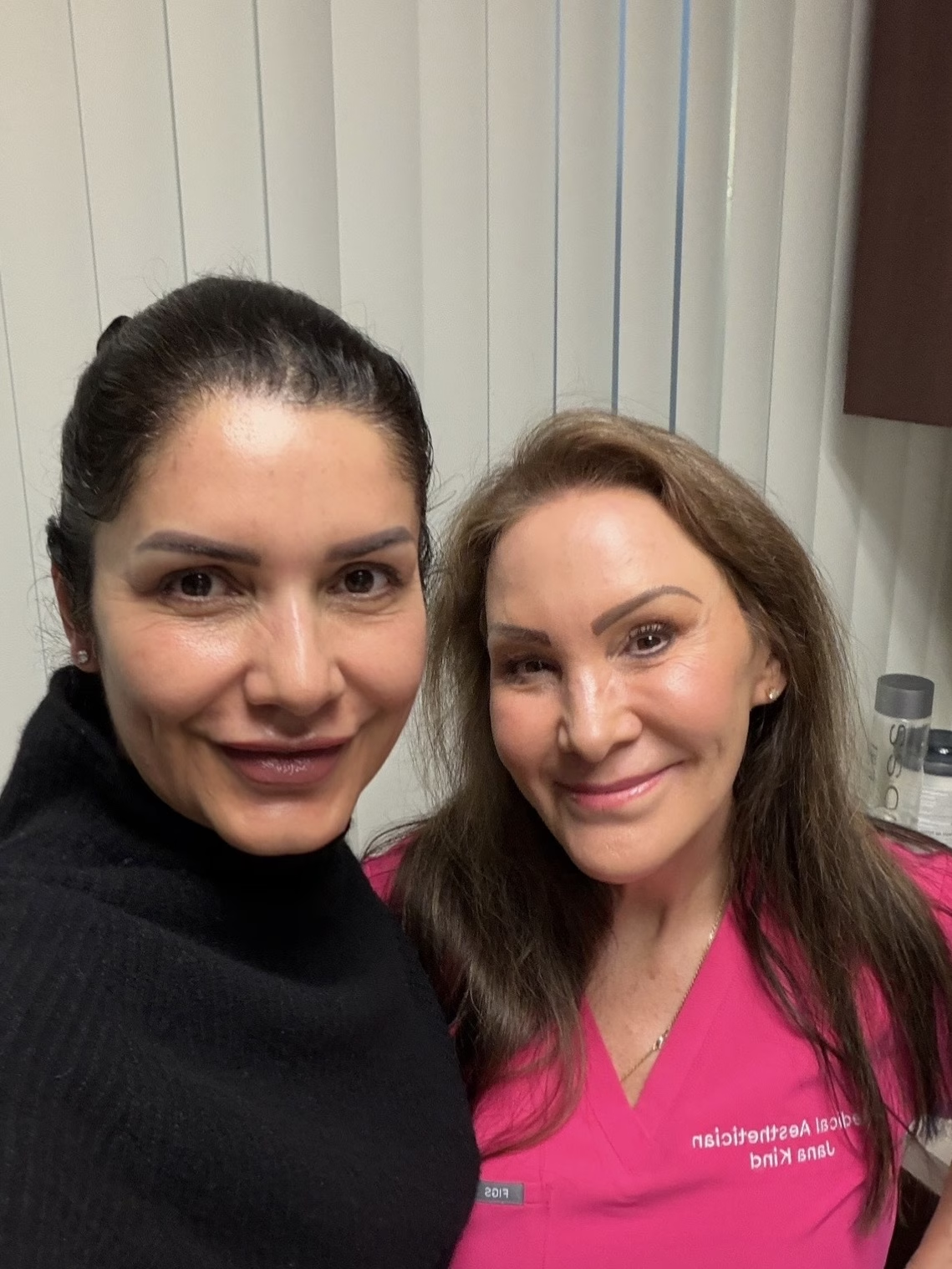
After a long search for XERF providers in Southern California, I found B&BB – Botox and Beauty Boutique in Mission Viejo. I believe I have identified the best XERF providers. I got 2 sessions of XERF. My first session was on January 9th, 2026, and my second was 3 weeks later, on January 27th, 2026. Both sessions were done by aesthetician Jana. Jana was very patient with my questions and explained the procedure step by step. She understood my areas of concern and made me feel that I was in good hands.
What Is XERF Treatment?
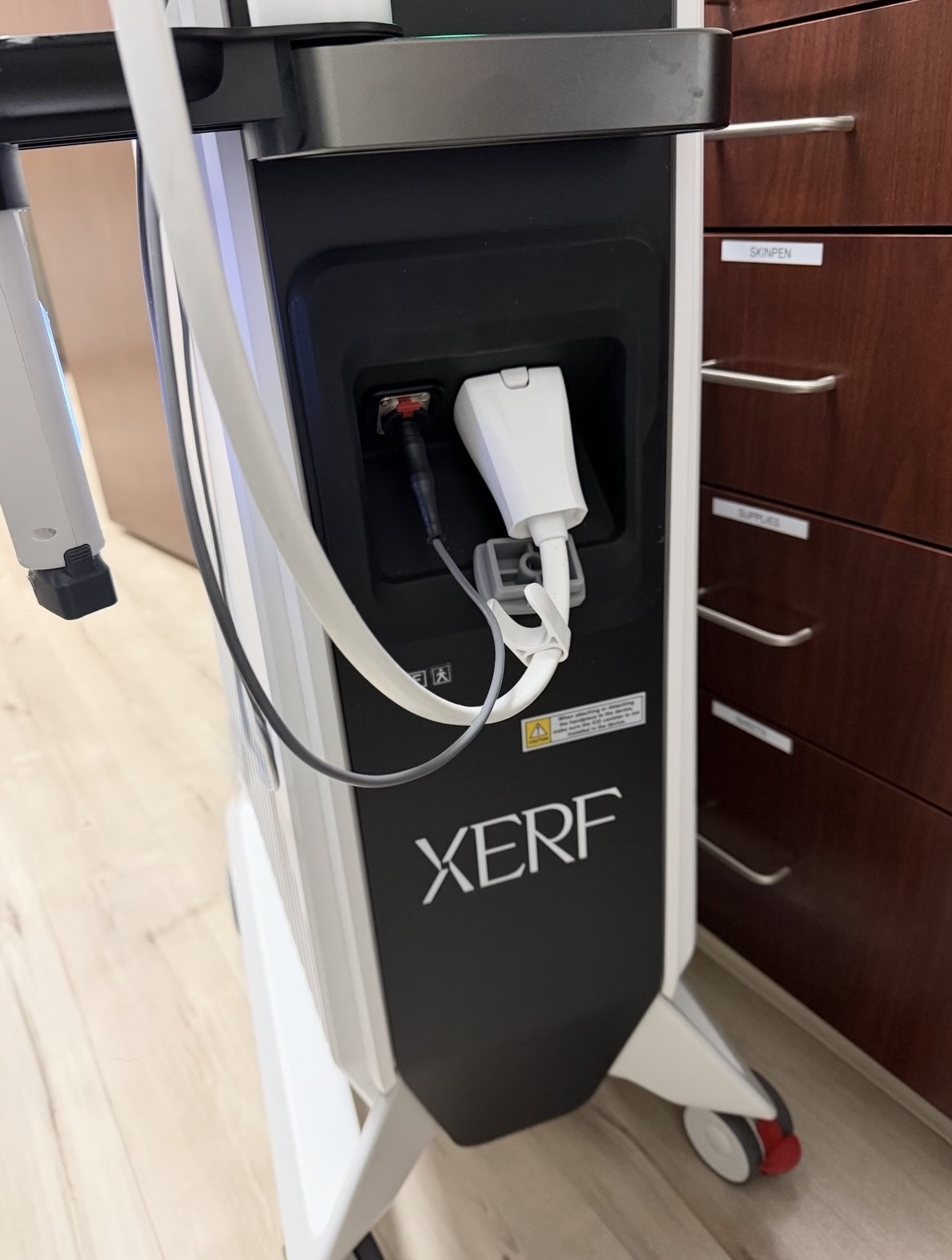
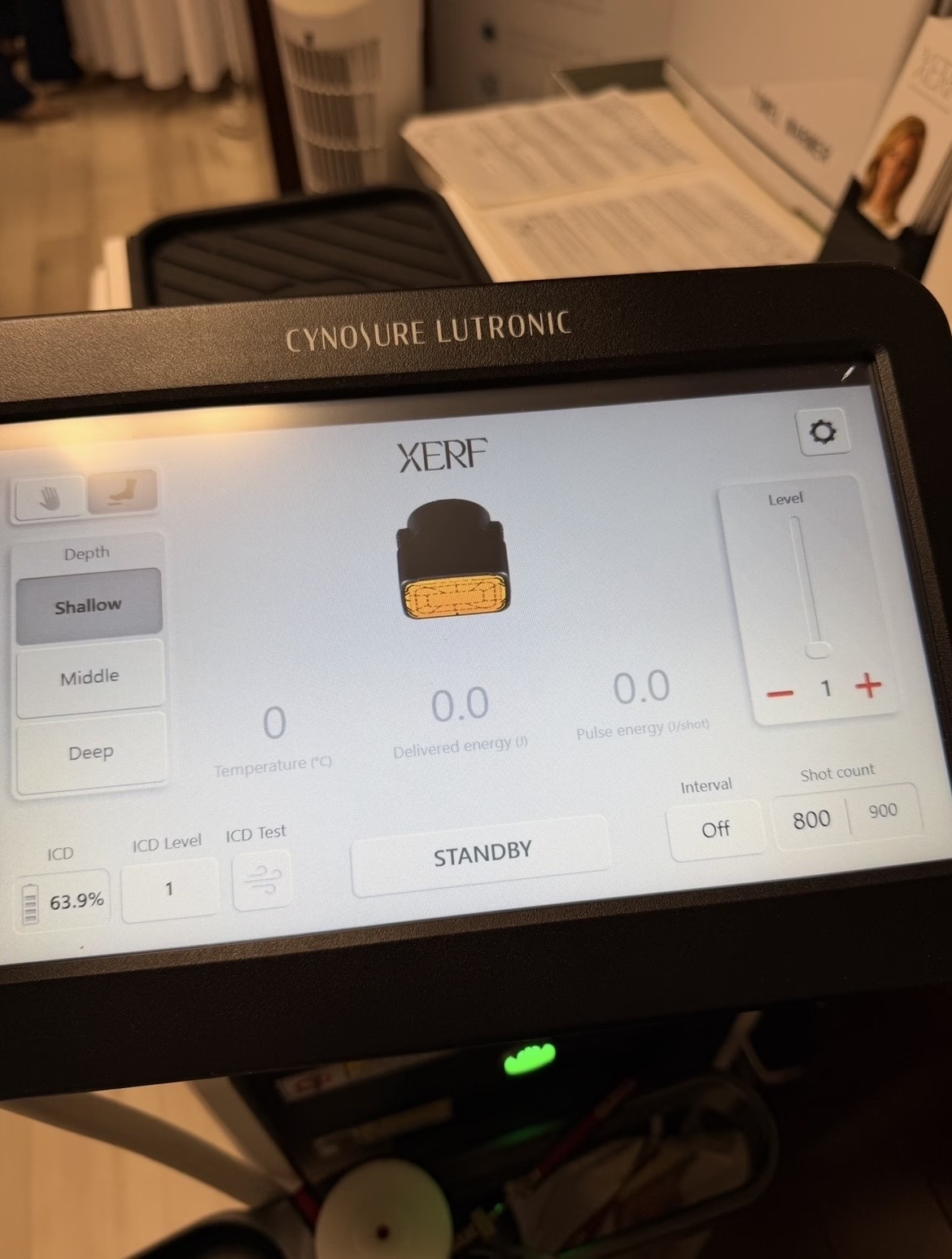
XERF is a multifrequency monopolar radiofrequency treatment that uses two distinct frequencies—6.78 MHz and 2 MHz—to deliver energy at different tissue depths for comprehensive tightening and lifting effects. This dual-frequency approach allows providers to treat shallow middle and deep tissue layers in a single session.
Here’s how it works in simple terms: the device converts RF energy into controlled heat within your skin and soft tissue. This thermal energy causes existing collagen fibers to contract immediately while triggering your body’s natural wound-healing response. Over time, this leads to collagen remodeling and the production of new collagen and elastin—the proteins responsible for firm, resilient skin.
The 6.78 MHz frequency primarily targets the superficial to mid-dermis, making it effective for improving fine lines, texture irregularities, and mild laxity. Meanwhile, the 2 MHz frequency penetrates deeper toward the fibrous septae and SMAS-like layers (the same structural tissue targeted in surgical facelifts), enabling structural lifting of the cheeks, jawline, jowls, and under-chin area.
Built-in safety features protect you throughout the procedure:
- Real time feedback for temperature monitoring
- Impedance sensing to adjust energy delivery
- Integrated cryogen delivery (ICD) cooling to protect the epidermis
- Wave Fit pulse technology for precise energy modulation
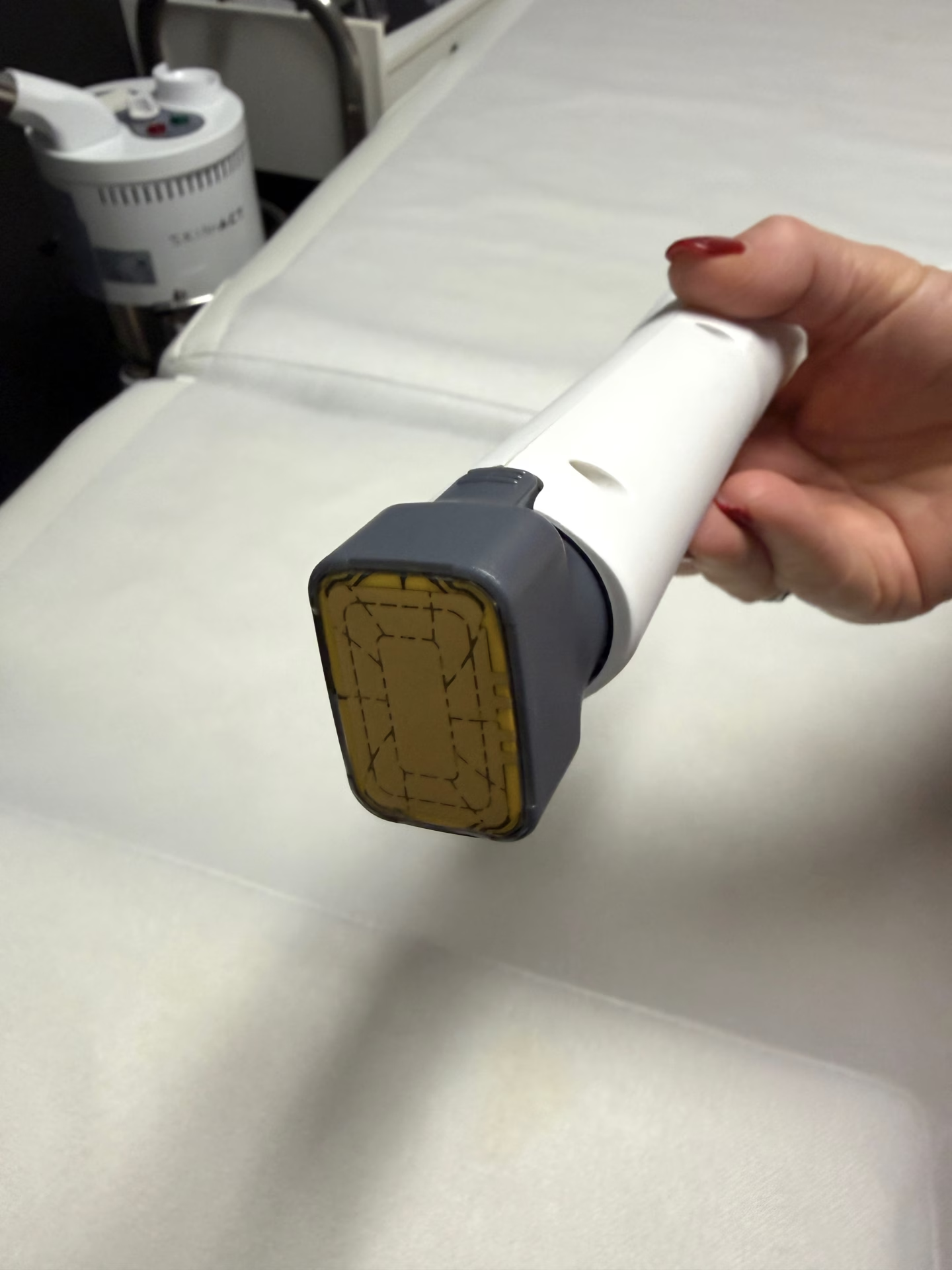
- Spider Pattern Tip design for uniform energy distribution
XERF is appropriate for multiple targeted areas including:
| Facial Areas | Body Areas |
|---|---|
| Forehead | Upper arms |
| Midface/cheeks | Abdomen |
| Lower face/jawline | Thighs |
| Neck | Knees |
| Under-chin | Areas with crepey texture |
How XERF Technology Works (The Science)
Understanding the science behind XERF helps explain why it delivers such comprehensive results. Monopolar radiofrequency works by placing one active electrode on the skin surface and a grounding pad elsewhere on the body, allowing electrical current to pass through tissue and generate controlled heat in the targeted areas.
When tissue reaches therapeutic temperatures—typically 55–65°C internally—several beneficial effects occur simultaneously:
- Immediate collagen contraction: Existing collagen fibers physically shorten, producing visible tightening right away
- Controlled thermal injury: This triggers your body’s healing cascade, signaling fibroblasts to produce new collagen and stimulate elastin production
- Structural remodeling: Over weeks and months, the dermis becomes thicker and more resilient
The dual-frequency approach gives clinicians precise control over depth settings. They can adjust energy parameters to match specific anatomic regions—using gentler settings for thinner skin around the eyes versus more aggressive parameters for thicker tissue in the lower face or body. This customization allows for customized treatments tailored to each individual patient.
Throughout treatment, the xerf system provides continuous real time feedback on impedance and temperature, helping maintain a therapeutic thermal window while minimizing risk of burns or overtreatment. This sophisticated monitoring is one reason XERF achieves consistent results across different skin types.
What sets structural RF apart from single-depth devices is its ability to create more uniform tightening across multiple tissue planes. The result isn’t just surface-level improvement—patients often notice softening of nasolabial folds, lifting of the marionette area, and enhanced jawline definition because the treatment addresses foundational tissue, not just superficial concerns.
My Personal Experience
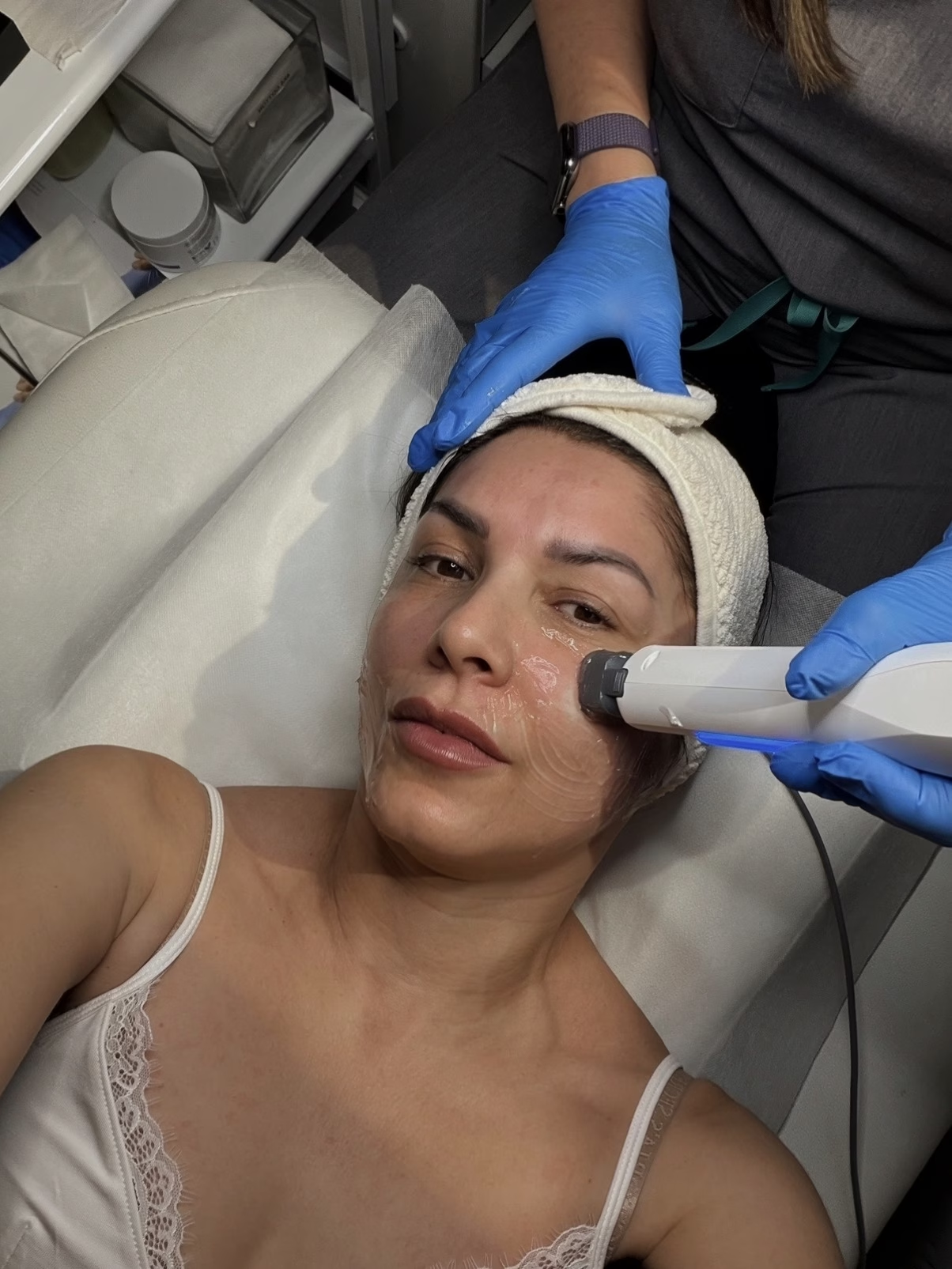
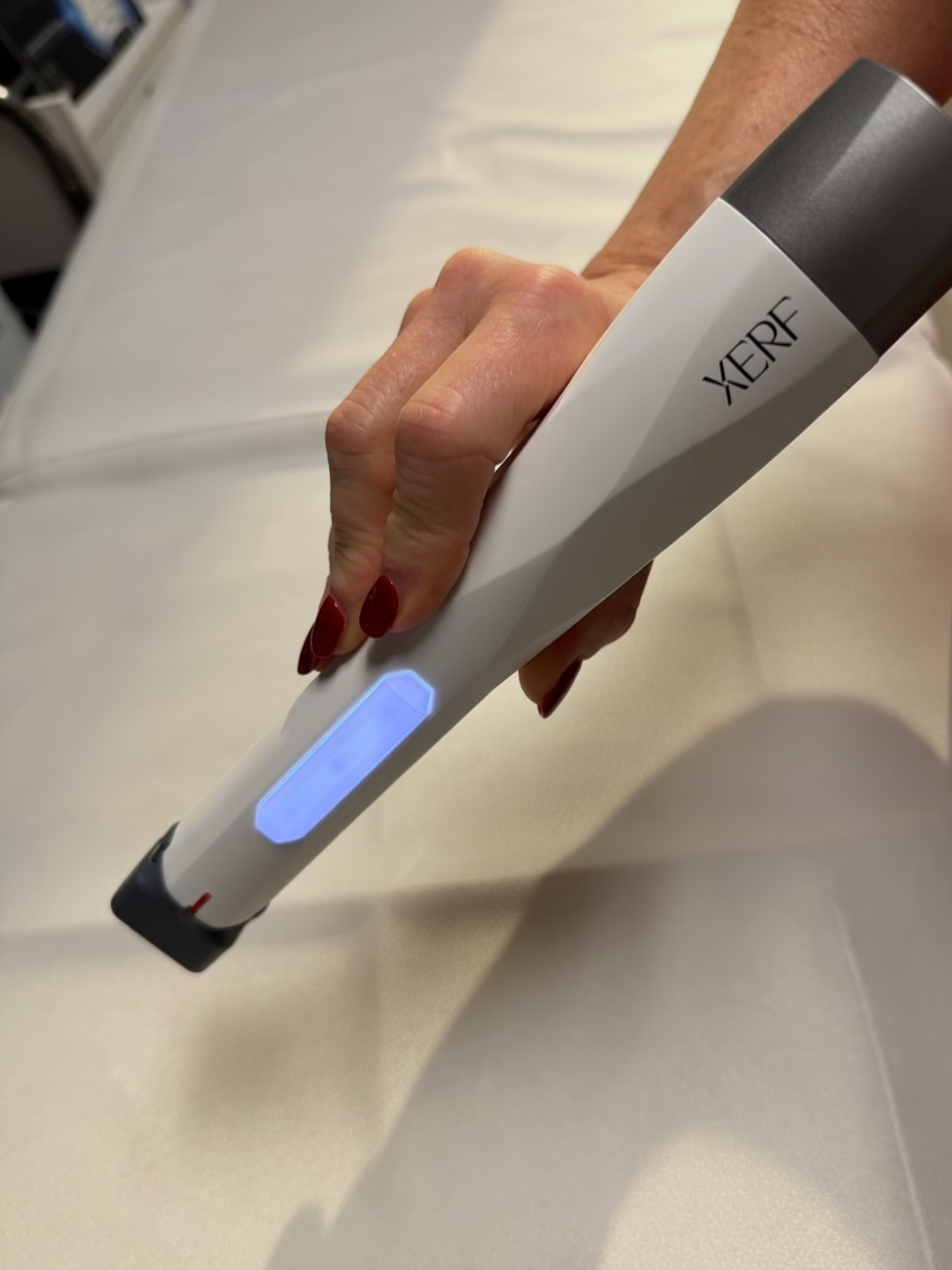
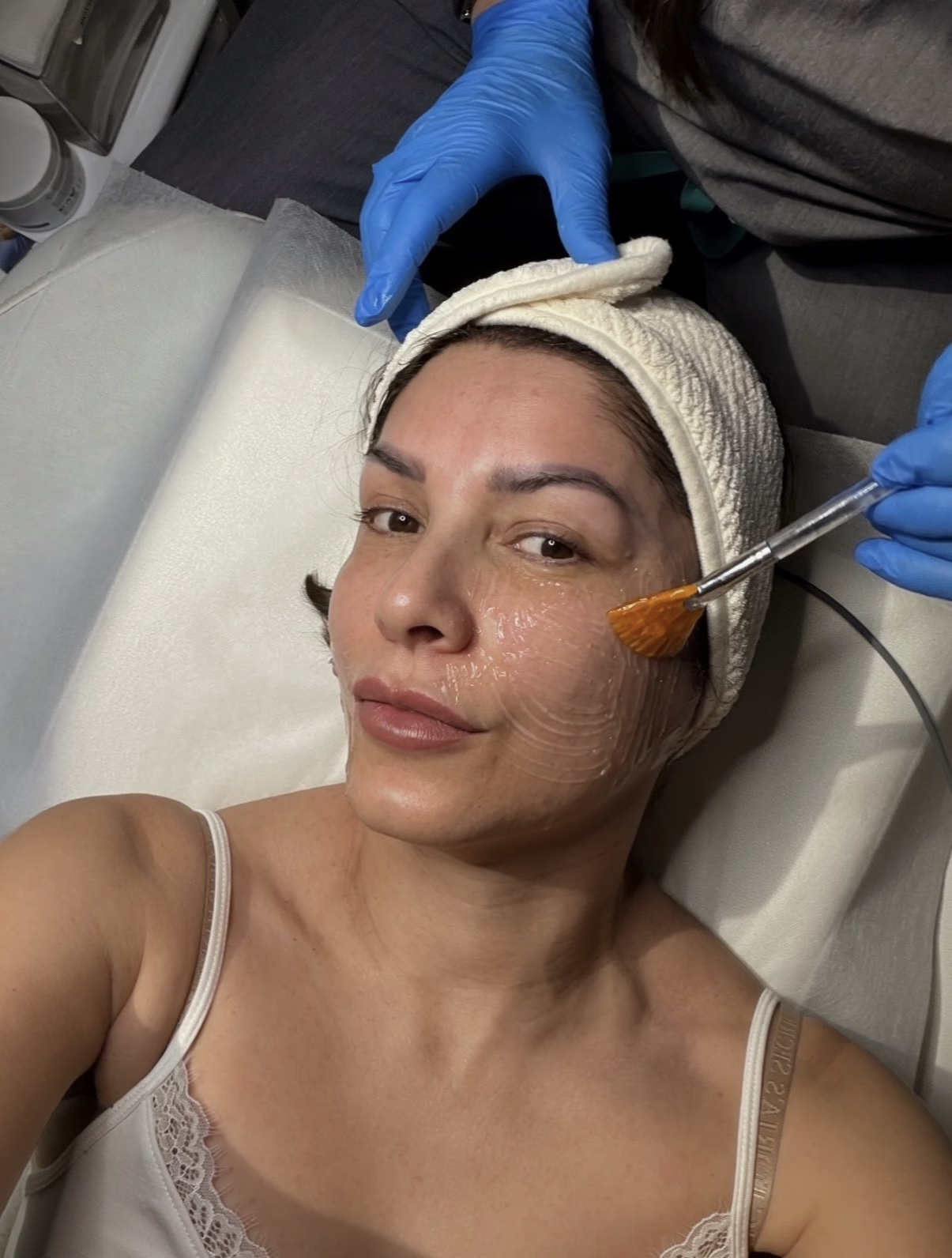
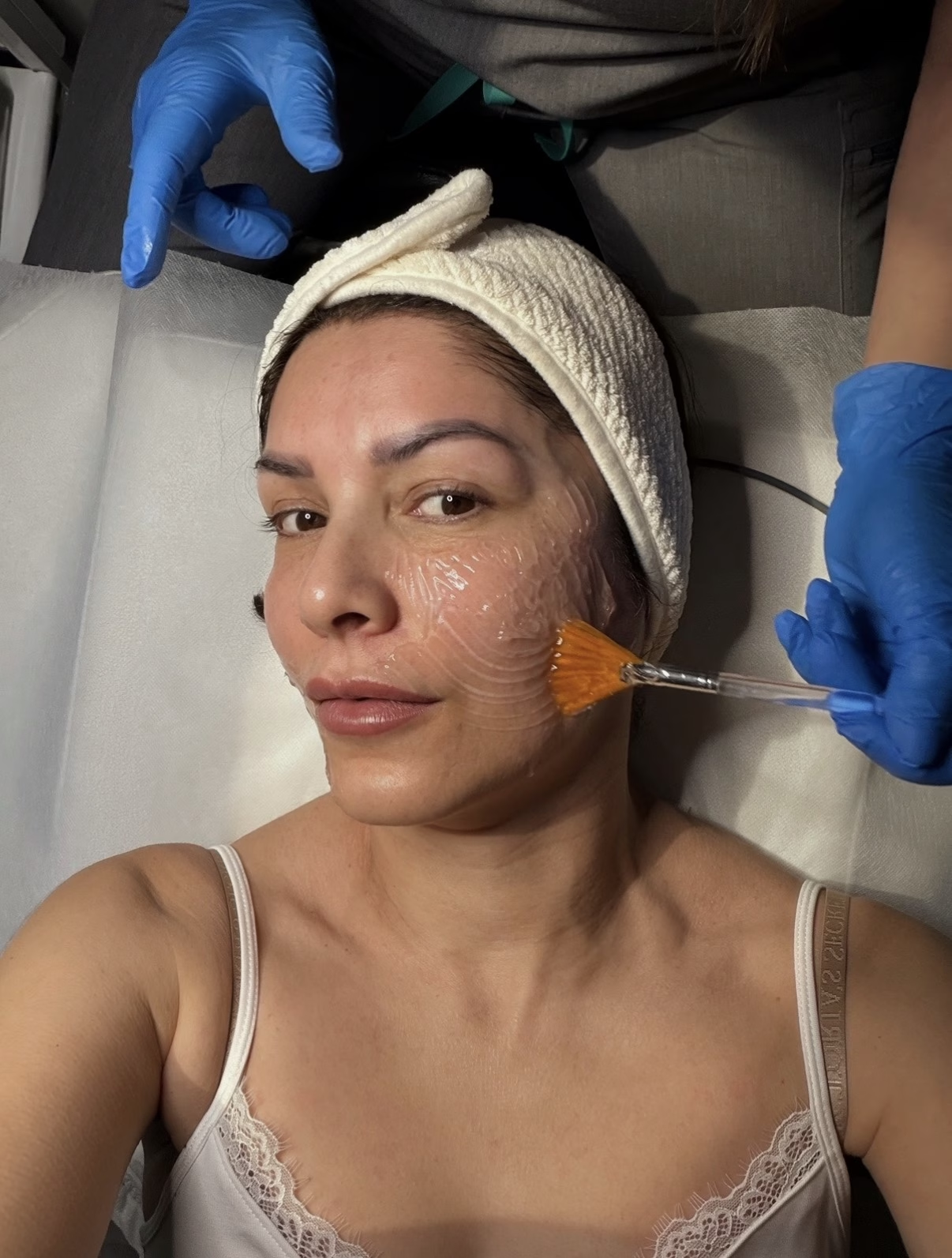
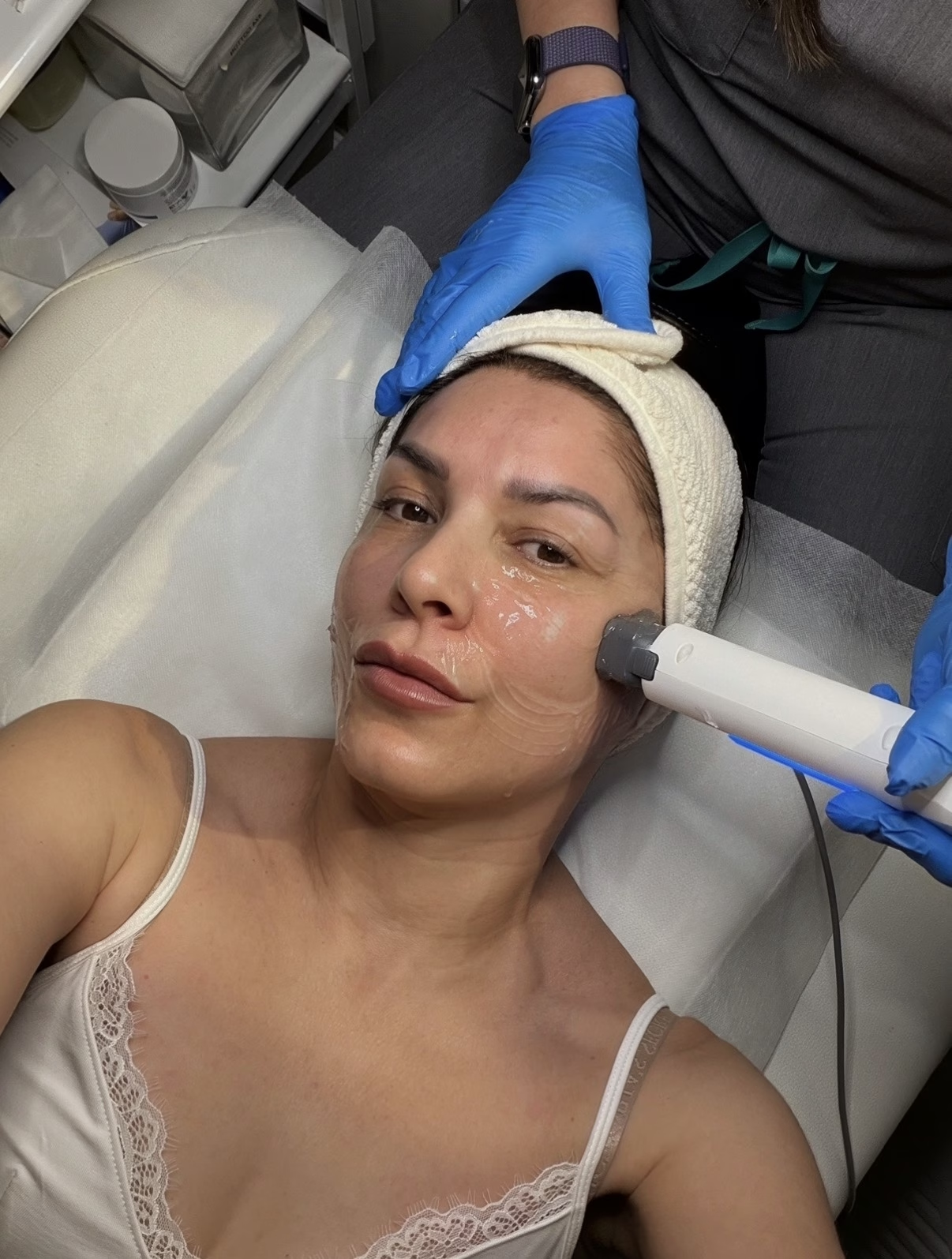
During my procedure, Jana made sure that I felt comfortable at all times. We did not use a topical anesthetic. However, she asked me to let her know immediately if I felt overheated. I did so in some areas where bone is present, such as my jawbone, and she then applied additional coupling gel. The combination of contact cooling, coupling gel, and energy modulation via Wave Fit technology enables many patients to tolerate treatment without a topical anesthetic. I can describe the sensation as similar to a hot-stone massage rather than to the discomfort associated with older tightening technologies, like Morpheus, for instance. One of the most painful treatments I have ever done in the past.
Drink Your Water – Key to a Pleasant XERF Treatment
I cannot stress enough the importance of staying well-hydrated for 1-3 days before your XERF treatment. Hydration is key, as the device targets water molecules to tighten the skin. I drank 60-80 ounces of water each day for two days prior to my treatment, which made the experience very comfortable. The only slight discomfort I felt was in bony areas like my jaw, but Jana quickly addressed this with faster passes and extra cooling gel. Staying hydrated also helps your body better tolerate the device’s heat, enhancing the overall treatment experience.

Benefits of XERF Treatment
XERF offers a compelling package of benefits for those seeking to address sagging skin and skin concerns without surgery. The treatment provides non invasive tightening and lifting, improved texture, minimal downtime, and effectiveness across a wide range of skin types.
Facial Improvements
For the face, patients typically experience:
- Better definition along the jawline with reduced jowling
- Subtle lift of the midface and cheek area
- Softening of smile lines and marionette lines
- Overall tighter, more youthful skin appearance
- Improved skin texture and firmness
Neck and Submental Benefits
The neck and under-chin area respond particularly well to XERF:
- Tightening of crepey neck skin
- Improvement in early “turkey neck” appearance
- Reduction in submental fullness and heaviness
- Smoother transition from jawline to neck
Body Applications
XERF isn’t limited to the face. Body areas with mild to moderate laxity also benefit:
- Arms: Reducing laxity above the triceps, addressing “bat wing” concerns
- Abdomen: Improving post-pregnancy or post-weight-loss laxity
- Thighs and knees: Creating smoother, firmer skin over time
Functional Benefits
Beyond visible improvements, XERF triggers meaningful changes at the cellular level. The collagen stimulation process—combined with elastin production and enhanced hyaluronic acid activity—leads to improved elasticity, a thicker dermis, and more resilient skin that resists future sagging.
Patient Experience Benefits
From a practical standpoint, most patients appreciate:
- Relatively quick sessions (often under an hour)
- Minimal discomfort typically described as warm or “hot stone”-like
- Ability to resume normal activities immediately
- No needles, anesthesia, or extended recovery
The results are generally natural-looking. XERF won’t create the dramatic transformation of a surgical facelift, but it can meaningfully tighten skin, delay the need for surgery, and complement other aesthetic procedures for comprehensive rejuvenation.

Who Is an Ideal Candidate for XERF?
The best candidates for XERF are adults with mild to moderate skin laxity who prefer a non-surgical approach and maintain realistic expectations about outcomes. This isn’t about achieving surgery-level transformation in a single session—it’s about meaningful, natural-looking improvement without the associated risks and downtime.
Typical Candidate Profile
While candidacy depends more on skin quality, health status, and expectations than age alone, most patients fall within the late 20s to 60s range. Younger patients may seek XERF for preventative purposes or early concerns, while those in their 50s and 60s often use it to address more established laxity.
Common concerns that respond well to XERF include:
- Early jowling and jawline softening
- Mild to moderate neck laxity
- Crepey texture in the lower face
- Post-weight-loss laxity (including from GLP-1 medications like Ozempic)
- Volume loss creating hollow or sagging appearance
- Fine lines and textural irregularities
Who May Not Be Ideal
XERF has limitations. Patients with very advanced sagging, heavy redundant skin, or those expecting facelift-level results from non-surgical treatment may be disappointed. In these cases, surgical intervention remains the gold standard for significant repositioning and removal of excess tissue.
Standard Contraindications
Providers will screen for several contraindications before proceeding:
| Absolute Contraindications | Relative Contraindications |
|---|---|
| Pregnancy and breastfeeding | Recent intense sun exposure |
| Pacemakers or electronic implants | Active skin infections |
| Metal implants in treatment area | Poorly controlled medical conditions |
| Active cancer (without clearance) | Certain medications |
The Consultation Process
A thorough consultation is essential. Your provider should review your medical history, current medications, prior cosmetic procedures, and lifestyle factors including sun exposure and smoking habits. This discussion helps determine whether you’re a good candidate and what kind of results you can realistically expect.
This evaluation isn’t about gatekeeping—it’s about ensuring XERF is the right tool for your specific skin condition and goals. When candidacy is appropriate, the treatment can be remarkably effective treatments for the right concerns.
What to Expect on the Day of Your XERF Session
Knowing what happens during your appointment helps reduce anxiety and ensures you arrive prepared. Here’s a timeline of what most patients experience from arrival to departure.
Before the Treatment (1-3 days)
- Make sure to drink enough water (I drank between 60 to 90 oz of water daily)
Arrival and Intake (10–15 minutes)
Your visit begins with:
- Check-in and any final paperwork
- Baseline photographs for your records (standardized lighting and angles)
- Review of any questions or concerns since your consultation
- Confirmation of treatment areas and goals
Preparation (10–15 minutes)
Before treatment begins, your provider will:
- Thoroughly cleanse the treatment area
- Provider may mark key vectors or zones (along the jawline, under chin, midface) to guide the procedure
- Apply conductive gel to facilitate energy delivery
- Position the grounding pad
- Apply optional topical numbing for sensitive patients or areas (though many skip this)
The Treatment (30–60 minutes)
During the procedure itself:
- The handpiece glides over your skin in a systematic pattern
- You’ll feel progressive heat sensation balanced by surface cooling
- The provider delivers hundreds of pulses per session, customized by area size and depth settings
- Communication is key—you should feel warmth but not pain
In my experience, the sensation was a warm and pulsing feeling, similar to a hot stone massage. The integrated cryogen delivery maintains a comfortable surface temperature while RF energy penetrates deeper to treat underlying tissue. I need to say that during my XERF treatments,d my discomfort was when the device touched bone, like my jawbone, that is when I felt a burning sensation. However, I informed Jana, and she made the passes very quickly in that area.
Treatment Duration by Area
| Treatment Area | Approximate Time |
|---|---|
| Under-chin only | 20–30 minutes |
| Lower face and neck | 45–60 minutes |
| Full face and neck | 60–75 minutes |
| Face + body areas | 90+ minutes |
Post-Treatment (5–10 minutes)
After your session:
- Gel is removed and skin is cleaned
- Post-treatment photographs may be taken
- Aftercare instructions are reviewed
- Follow-up appointments are scheduled
Most people are in and out within 60–90 minutes depending on the scope of their treatment, making it convenient for a lunch break or between other commitments.
XERF Recovery and Aftercare
One of XERF’s significant advantages is the minimal downtime. Most patients experience only mild, temporary effects that resolve quickly without intervention.
Immediate Post-Treatment Effects
What’s normal in the few hours after treatment:
- Mild redness (similar to a slight sunburn)
- Warmth in treated areas
- Temporary tightness or firmness
- Slight swelling in some patients
- Mild tenderness to touch
These effects typically resolve within a few hours to 24 hours for most patients.
Aftercare Guidelines
For optimal results and safety, follow these recommendations for the first 24–48 hours:
Avoid:
- Hot baths, saunas, and steam rooms
- Intense exercise or heavy sweating
- Direct sun exposure on treated areas
- Harsh skincare products (strong retinoids, acids, exfoliants)
- Alcohol consumption (can increase swelling)
Do:
- Use gentle, non-irritating cleanser
- Apply bland, hydrating moisturizer
- Wear broad-spectrum SPF 50+ sun protection daily
- Stay well-hydrated
- Sleep with head slightly elevated if treating face/neck
When to Contact Your Provider
While complications are uncommon when protocols are followed, contact your clinic if you experience:
- Persistent pain beyond mild tenderness
- Blistering or open wounds
- Severe or worsening swelling after 48 hours
- Significant pigment changes
- Any concerning symptoms
Return to Normal Activities
The good news: most patients resume normal activities the same day or next day. You can return to office work, run errands, and attend social obligations without visible signs of treatment. This convenience is a primary reason I chose XERF over options requiring extended recovery.
Results Timeline, Longevity, and Maintenance
Understanding when and how results appear helps set realistic expectations for your aesthetic journey with XERF.
The Two-Peak Results Pattern
XERF results follow a distinctive two-phase timeline:
First Peak (Immediate to 1 week) The first visible results come from immediate collagen contraction. You may notice subtle tightening and firmness right after treatment, continuing through the first few days. This initial improvement gives you a preview of what’s to come.
Second Peak (6–12 weeks) More substantial improvements emerge gradually as your body produces new collagen and elastin. This neocollagenesis process takes time, with many patients noticing progressive enhancement up to 3–6 months post-treatment.
Results Timeline
| Timeframe | What to Expect |
|---|---|
| Immediately | Subtle tightening, warmth, mild firmness |
| 1–2 weeks | Initial improvements stabilize |
| 6–8 weeks | Collagen production accelerates, visible results emerge |
| 3 months | “Second peak”—optimal improvement for many patients |
| 6 months | Continued refinement possible |
| 9–12 months | Results remain appreciable before gradual decline |
Individual variation exists based on age, baseline skin condition, and lifestyle factors.
How Many Treatments Are Needed?
Typical treatment plans include:
- Initial series: 1–3 sessions spaced 4–6 weeks apart
- Maintenance: Annual or semi-annual sessions depending on goals
- Combination protocols: Two treatments of XERF paired with other modalities
Some patients achieve their goals with a single session, while others with more significant concerns benefit from a series. Your provider will recommend an approach based on your specific anatomy and objectives.
Documenting Your Progress
Because changes are gradual, they can be difficult to appreciate day-to-day. Standardized before-and-after photographs taken at set intervals (baseline, 6 weeks, 3 months, 6 months) help patients objectively evaluate their progress.
Integration with Other Treatments
XERF can be combined with other non-surgical options for comprehensive rejuvenation:
- Neuromodulators (Botox) for dynamic wrinkles
- Hyaluronic acid fillers for volume restoration
- Biostimulators (Sculptra) for amplified collagen production
- Skin resurfacing for texture and tone
Proper sequencing and timing between procedures is essential—your provider will create a coordinated plan that maximizes results while maintaining safety.
Safety, Side Effects, and How XERF Compares to Other Options
Safety Profile
XERF carries FDA clearance for dermatologic procedures, and when performed by trained clinicians following established protocols, complications are uncommon and typically minor. The device’s built-in safety monitoring—including temperature feedback, impedance sensing, and integrated cooling—adds layers of protection.
Expected Side Effects
These are normal and resolve without intervention:
| Side Effect | Duration |
|---|---|
| Redness | Few hours to 24 hours |
| Warmth | Few hours |
| Mild swelling | 24–48 hours |
| Tenderness | 24–48 hours |
| Temporary tightness | Few days |
Less Common Risks
Rare but possible complications include:
- Bruising
- Temporary nerve irritation
- Contour irregularity
- Rare burns (if protocols not followed)
- Pigment changes (more risk with recent tanning)
Appropriate settings and proper technique significantly reduce these risks.
How XERF Compares
Versus older RF devices (like Thermage): XERF adds SMAS-level tightening through its dual-frequency approach, potentially offering more comprehensive structural improvement with comparable or improved comfort.
Versus ultrasound-based lifting (like Ultherapy): XERF typically offers greater comfort during treatment (no months-long wait for results, less discomfort) while still targeting deep tissue. The “hot stone massage” sensation contrasts with the more intense sensations some report with ultrasound.
Versus surgical facelift: Surgery can reposition tissue and remove excess skin for more dramatic change. XERF is best for earlier-stage laxity and those not ready or willing to undergo surgery. Many patients use XERF to delay surgery or maintain surgical results longer.
Versus injectables: XERF provides structural lift rather than neuromuscular blockade (Botox) or volumetric augmentation (fillers). These approaches are complementary, not competing—many patients benefit from combining them.
Provider Selection Matters
Ask your provider about:
- Training and certification with the xerf system
- Number of XERF procedures performed
- Before-and-after photos of previous patients
- Safety protocols and emergency procedures
- Follow-up policies and accessibility
The skill and experience of your provider significantly impact both safety and outcomes.
Cost and Practical Considerations
Pricing Factors
XERF pricing varies depending on several factors:
- Geographic location: Urban centers and high-cost-of-living areas typically charge more
- Provider expertise: Board-certified specialists may charge premium rates
- Treatment area size: Lower face alone versus full face and neck versus multiple body zones
- Number of sessions: Single treatments versus package pricing for a series
General Price Ranges
While exact pricing requires consultation, you can expect:
- Single-area treatments often fall in the mid- to high-hundreds of dollars
- Comprehensive face and neck treatments may range higher
- Multi-session packages typically offer some savings compared to individual sessions
- Combined face and body protocols vary depending on scope
Specific costs vary depending on your location and provider—a consultation will provide an accurate quote for your goals.
What to Ask About Fees
When discussing pricing, clarify what’s included:
- Pre-treatment consultation fee
- Post-treatment check-ins and follow-up appointments
- Any touch-up policies within a certain timeframe
- Photography and documentation
- Products or aftercare items
Payment Considerations
XERF is an elective cosmetic procedure and generally not covered by health insurance. However, many clinics offer:
- Payment plans or financing options
- Package discounts for multiple sessions
- Loyalty programs for maintenance treatments
- Combination pricing when bundling with other procedures
Getting a Personalized Quote
The only way to know your actual cost is scheduling a consultation. During this appointment, your provider will assess your anatomy, discuss your goals, and recommend a treatment plan with transparent pricing. This personalized approach ensures you understand exactly what you’re investing in before committing.
FAQ: XERF Treatment
Is XERF safe for darker skin tones or tanned skin?
Monopolar RF technology like XERF targets water and tissue resistance rather than melanin, making it generally safe across Fitzpatrick skin types I–VI, including darker skin tones. This is one advantage of RF-based tightening compared to some light-based devices that carry higher risk for hyperpigmentation in darker skin.
That said, providers still adjust settings based on skin type and recent sun exposure. If you’ve had intense tanning recently, your provider may recommend delaying treatment for a couple of weeks to reduce any risk of post-inflammatory changes. During your consultation, be honest about recent sun exposure so appropriate precautions can be taken.
How soon before a big event should I schedule XERF?
For optimal timing, allow at least 1–2 weeks before an important event to ensure any redness or temporary tightness fully resolves—even though most patients look completely normal within 24 hours. This buffer provides peace of mind.
However, if you want to see the more significant “second peak” improvements from collagen remodeling, plan your treatment 3–6 months before major events like weddings, reunions, or significant professional occasions. This timeline allows new collagen to form and results to fully mature.
Work with your provider to build a timeline that might include XERF along with other treatments, spacing them appropriately for cumulative benefits.
Can I combine XERF with fillers, Botox, or laser resurfacing?
Yes, XERF is frequently combined with injectables and skin-resurfacing procedures as part of comprehensive treatment protocols. The key is proper sequencing and timing.
Many clinicians prefer performing structural tightening before fillers, allowing volume placement to be tailored to your newly tightened foundation. This can result in more natural-looking outcomes and potentially reduce the amount of filler needed.
Specific intervals between XERF and other procedures depend on the technologies involved and your individual skin response. Only your treating provider can determine safe timing based on your complete treatment plan.
Will I need time off work or social activities after XERF?
Most patients return to work and social activities immediately or within 24 hours. The mild redness or warmth that some experience is typically subtle and easily concealed with mineral makeup if desired.
If your work involves outdoor exposure or heavy physical exertion, discuss timing with your provider—intense sweating and heat exposure may be discouraged for the first day or two. For office-based work and typical social activities, formal downtime is minimal.
This convenience factor is a primary reason many busy professionals choose XERF over surgical options that require extended recovery periods.
How do I know if my results are from XERF and not just normal fluctuations?
The best way to objectively evaluate your results is through standardized before-and-after photography. Your provider should take photos at baseline and follow-up visits (typically 6 weeks and 3 months) using consistent lighting, angles, and facial expressions.
XERF improvements tend to be gradual and structural in nature—you’ll notice better contour, smoother transitions between facial zones, and less sagging rather than day-to-day volume shifts. These changes become most apparent when comparing photos over time.
Discuss realistic endpoints and tracking methods with your provider before treatment begins. Having agreed-upon goals and documentation methods helps you judge objectively whether the treatment met your expectations.