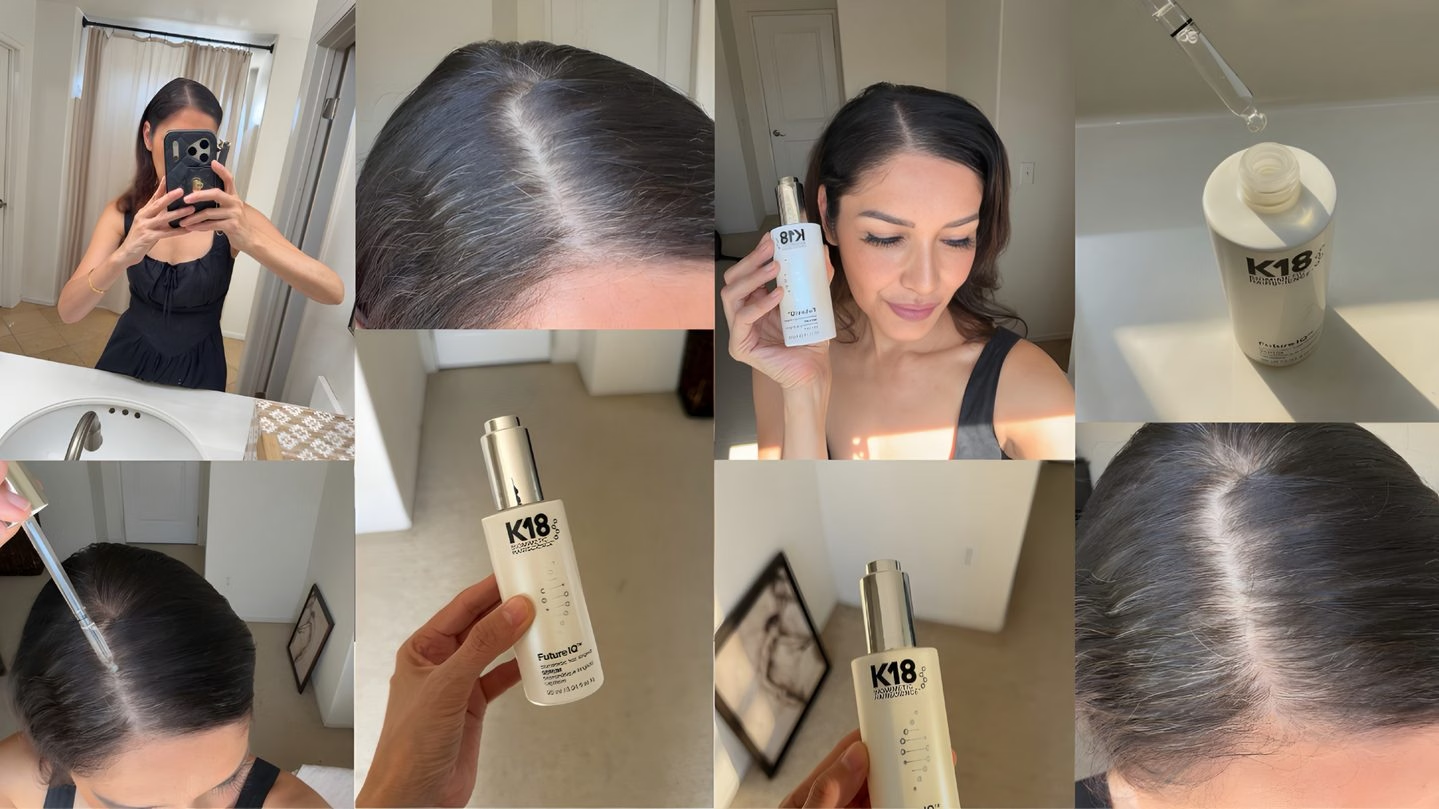
I’m Testing the New K18 FutureIQ Serum on My Gray Hair: Here’s My Starting Point
I never really had gray hair until a couple of years ago. I would find an occasional gray here and there, but nothing that concerned me. Then, seemingly out of nowhere, they started appearing in bunches.
Today, I would estimate that about 25% of my hair is gray, which is one of the main reasons the new K18 FutureIQ Biomimetic Hair Longevity Serum immediately caught my attention.
I started using it about two weeks ago, and instead of giving you a review after a few applications, I decided to turn this into an experiment. I’m documenting my hair before starting FutureIQ, and every month I’ll come back with new photos so we can actually see whether it is making a difference. I won’t color my roots for the next three months so we can see the before and after. This is going to be the hardest part, lol.
What is K18 FutureIQ?
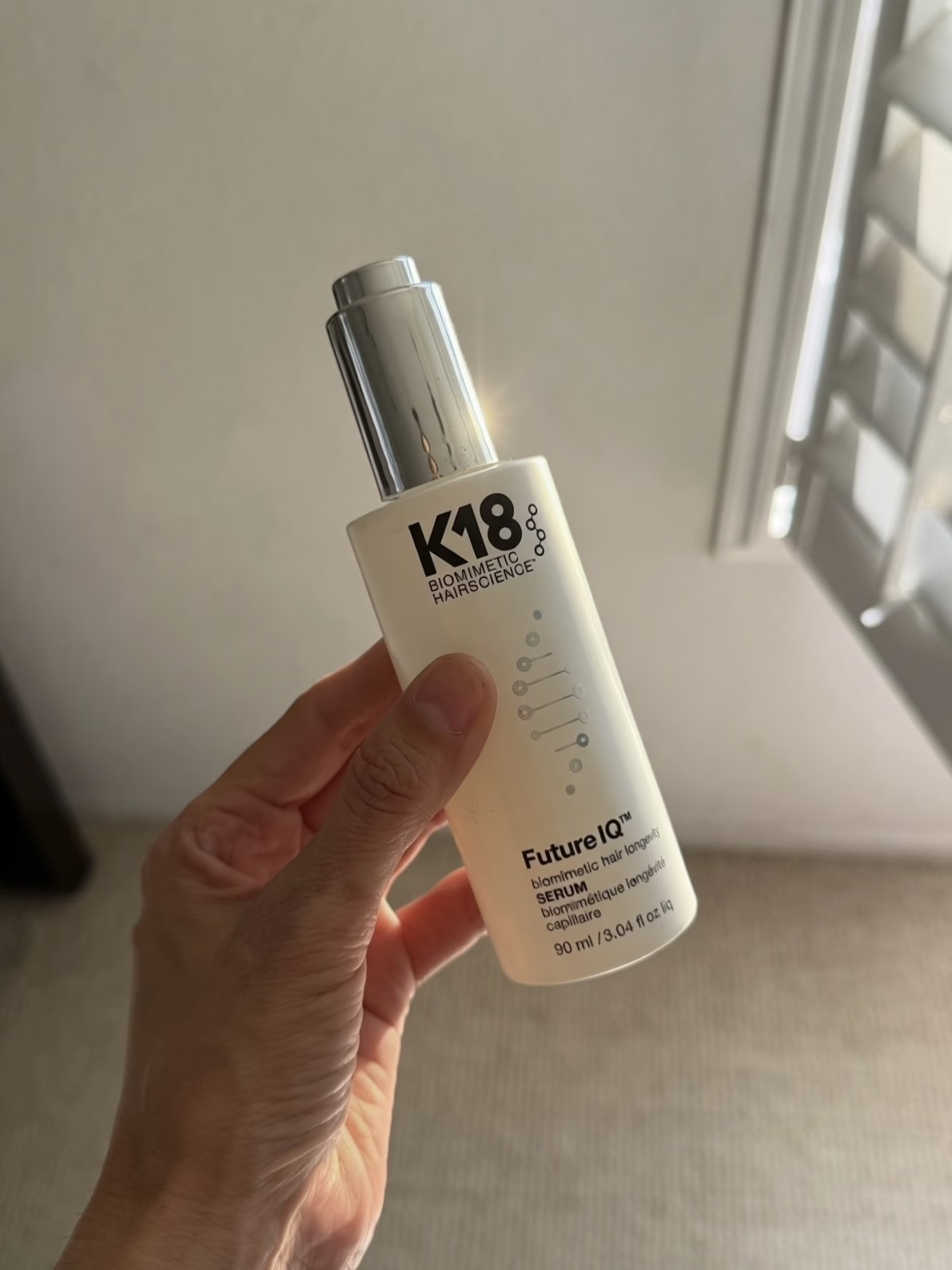
I have been using K18 products for a while now, especially the K18 Leave-in Molecular Repair Hair Mask, which has been key to repairing my extremely damaged hair. So when K18 launched FutureIQ biomimetic hair longevity serum, I knew this product would deliver.
FutureIQ is K18’s new nightly scalp serum designed to target several visible signs of premature hair aging at the same time: graying, shedding, loss of density, and scalp aging.
And this is where it became particularly interesting to me.
According to K18, FutureIQ works best on people with less than 30% gray hair and minimal to moderate shedding. Since I estimate that I’m currently around 25% gray, I fall within the range K18 identifies as the ideal candidate for seeing improvements in premature graying.
The reason for this distinction is important. FutureIQ isn’t hair color, and it isn’t supposed to turn an already completely white strand brown again overnight. Hair pigmentation happens inside the follicle, so any visible change in pigmentation would appear as new hair grows. K18 also explains that the serum needs some melanin still present in the follicle to work with.
That means this is definitely a long-term experiment rather than an instant before-and-after.
The Science Behind It
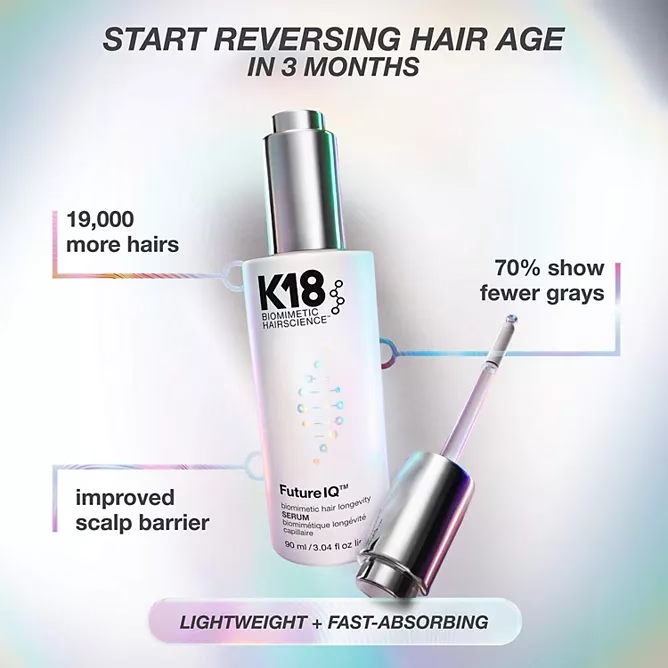
FutureIQ uses K18’s proprietary MultiVital™ technology, a combination of biomimetic peptides, a root-anchoring complex and antioxidants.
According to K18, these ingredients work through several pathways involved in premature hair aging. The technology is designed to help protect the proteins that anchor the hair at the root, support signaling involved in melanin production and transport, and help the follicle defend itself against oxidative stress.
In other words, this isn’t simply being marketed as a “gray hair serum.” K18 is approaching graying, shedding and scalp health as interconnected signs of hair aging.
And the clinical results are what really convinced me that this was worth testing.
What K18’s Clinical Study Found
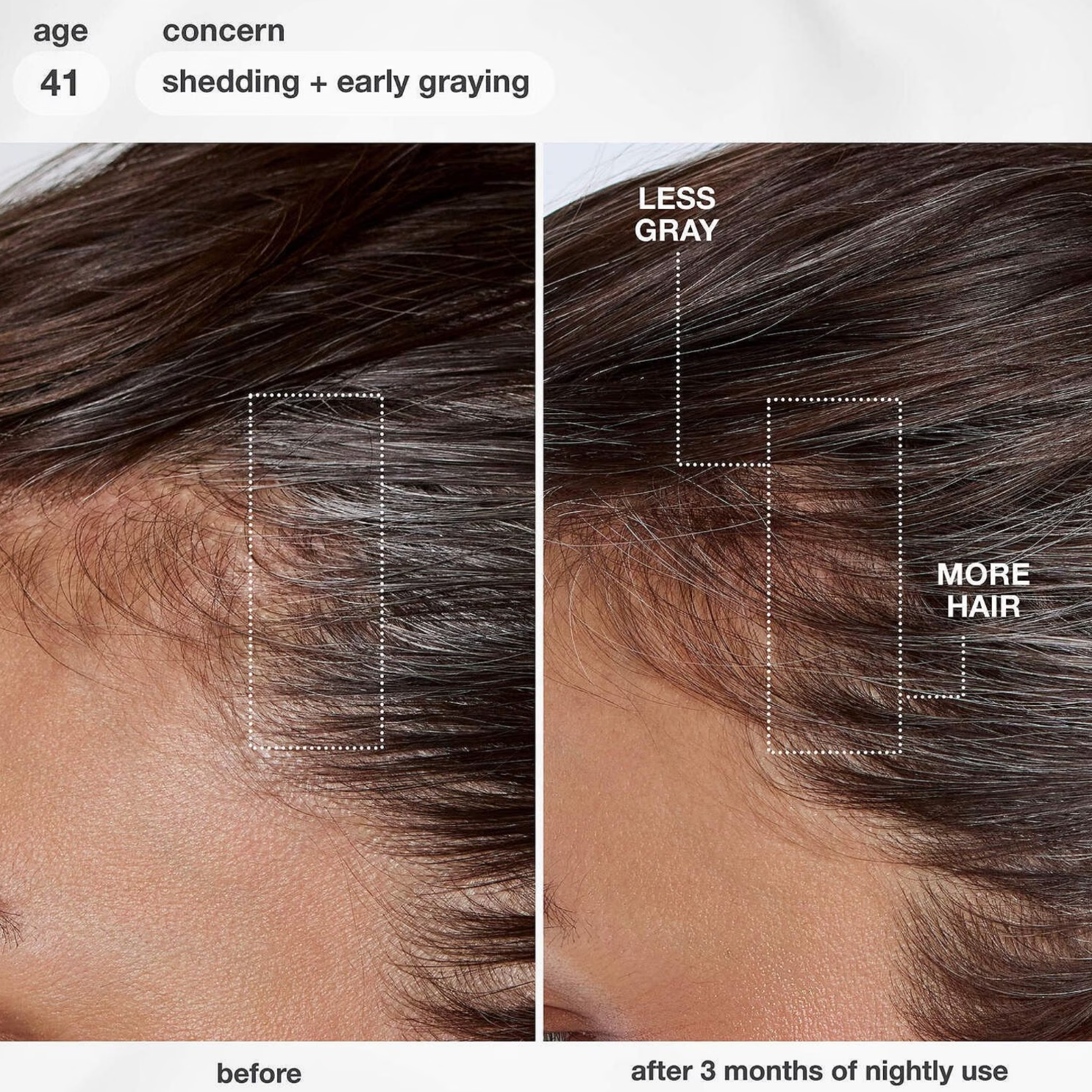
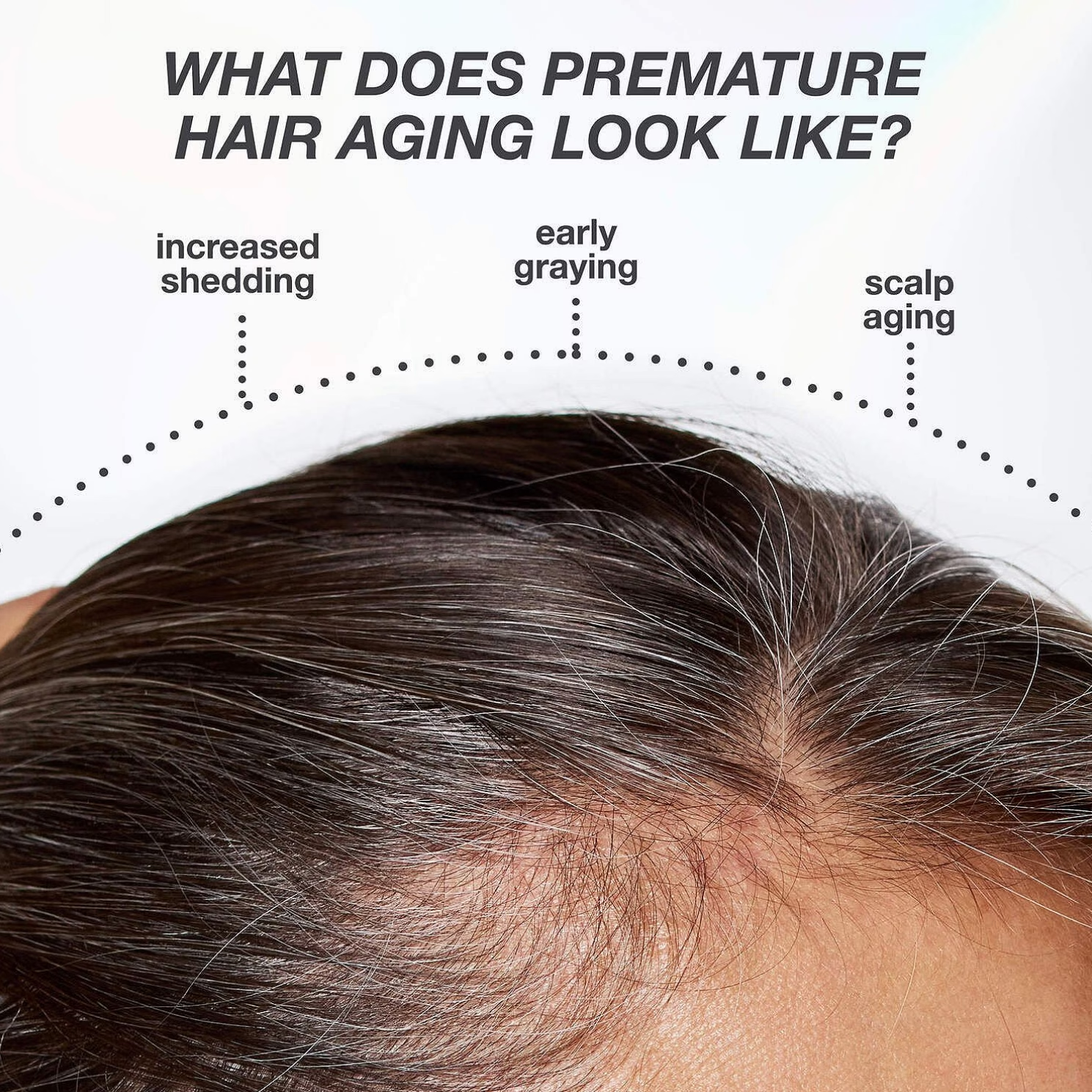
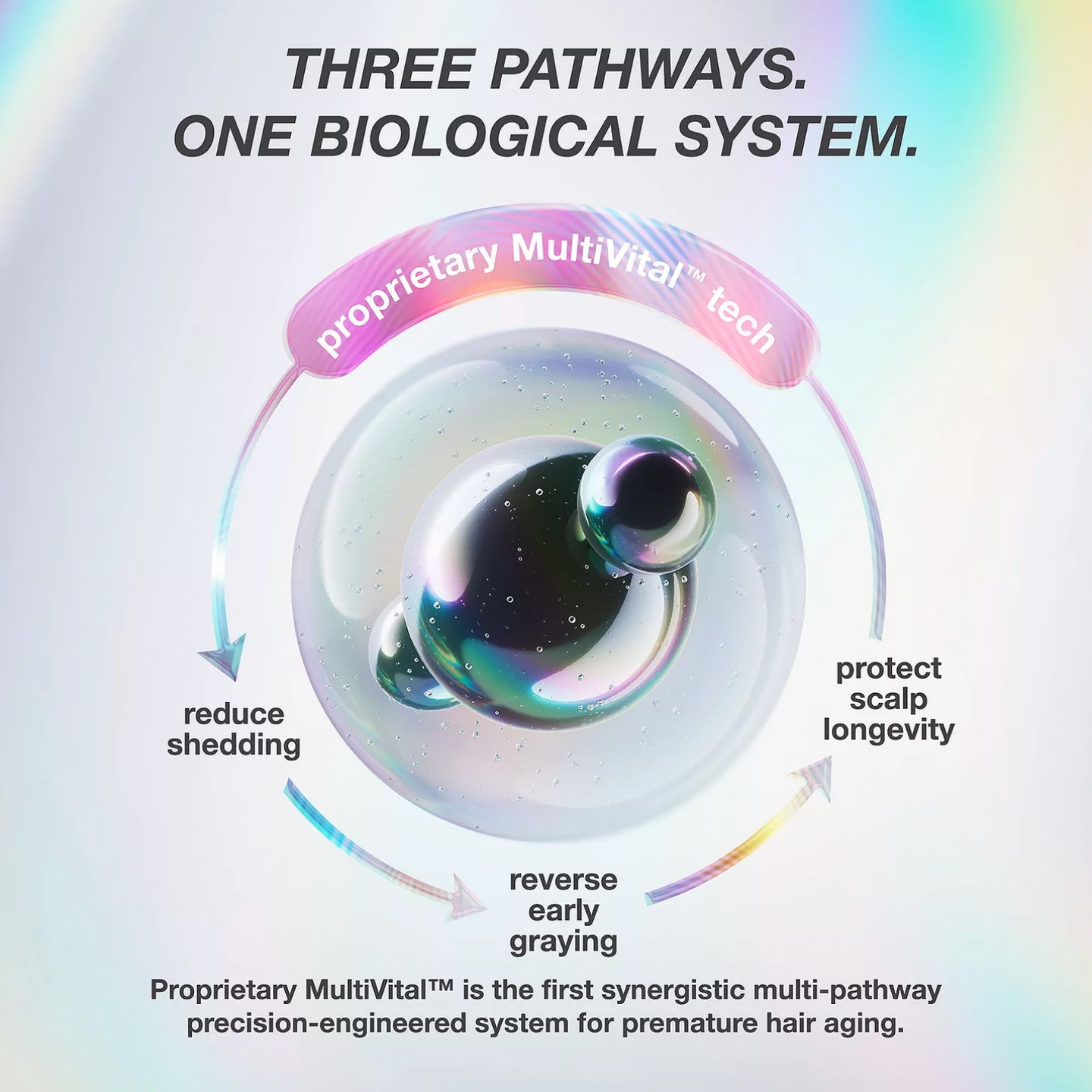
K18 reports results from a 12-week clinical study, so three months seems to be the important milestone.
After one month, 100% of participants showed reduced hair fall.
By month two, 87% showed increased density, participants retained up to the equivalent of 10,000 more hairs for increased volume, and 100% showed improvement in the scalp barrier.
And month three is the result I’m most curious about: 70% showed fewer visible grays, while the fuller-looking-hair result reached the equivalent of up to 19,000 more hairs.
K18 notes that the 19,000-hair claim refers to fuller-looking hair measured after 12 weeks, while its gray-hair assessment involved 44 participants evaluated at the 12-week mark.
Those are pretty significant claims, which is exactly why I don’t want to simply tell you that the product “works.” I want to see what actually happens to my hair.
My K18 FutureIQ Experiment
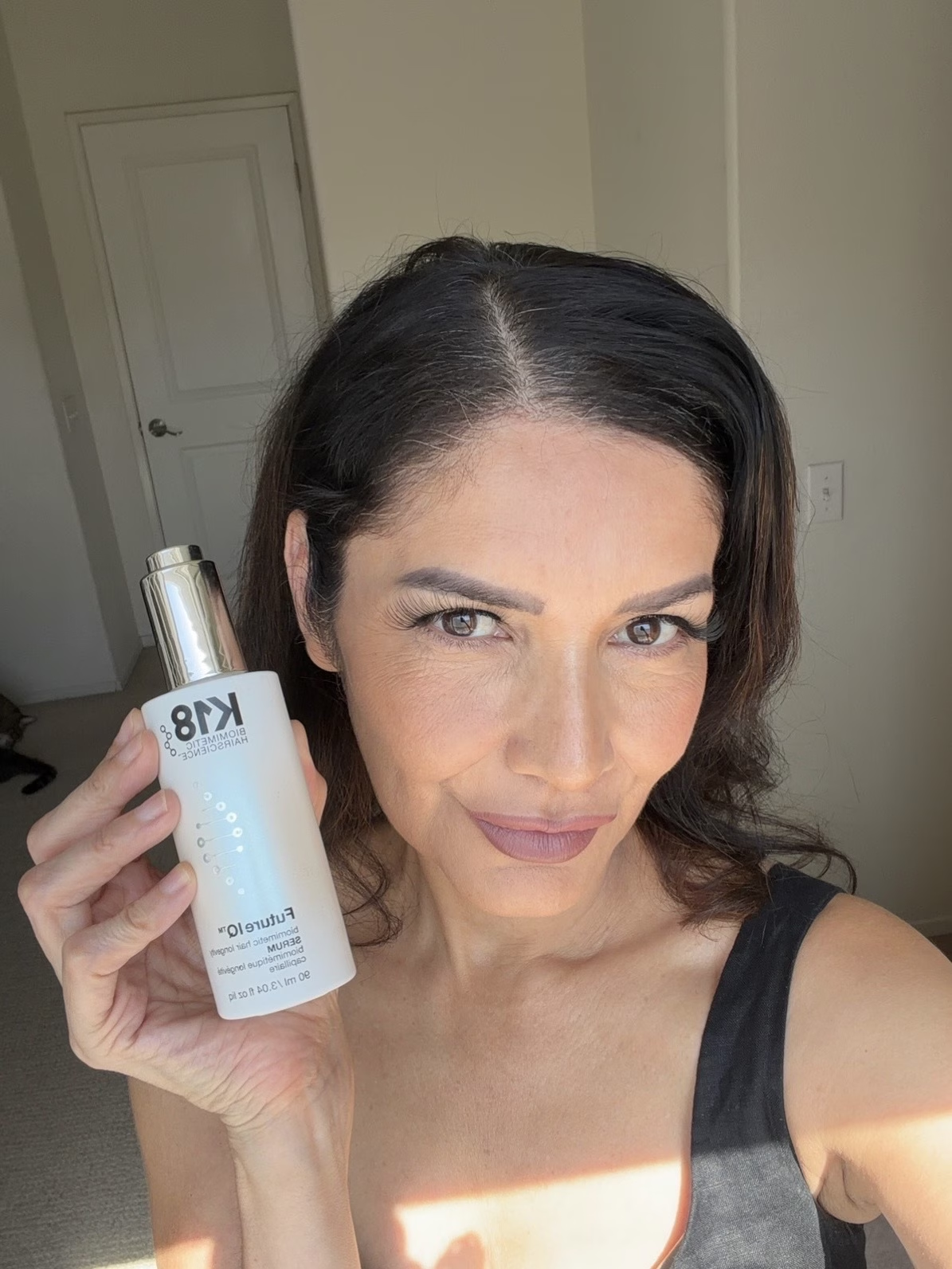
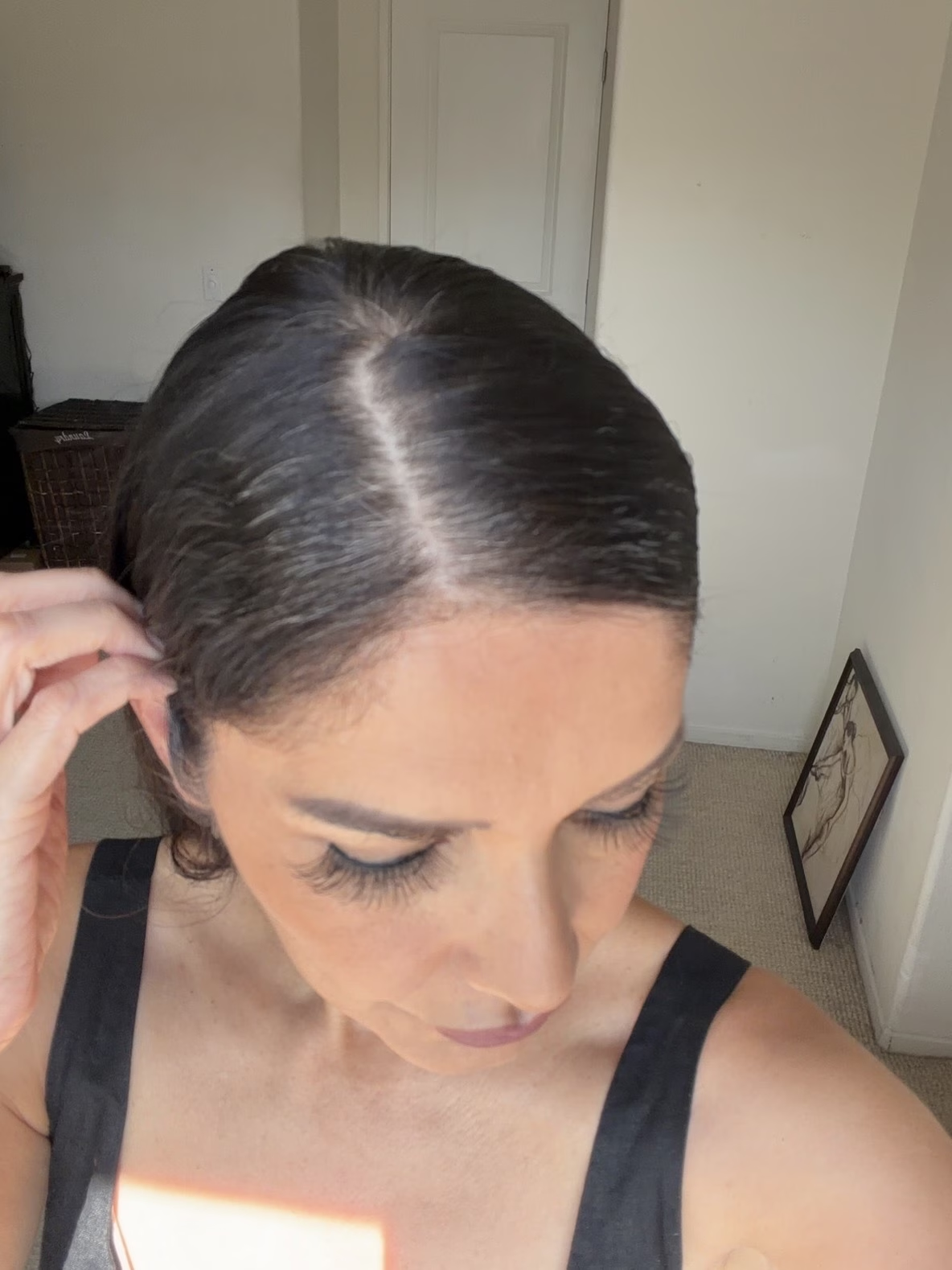
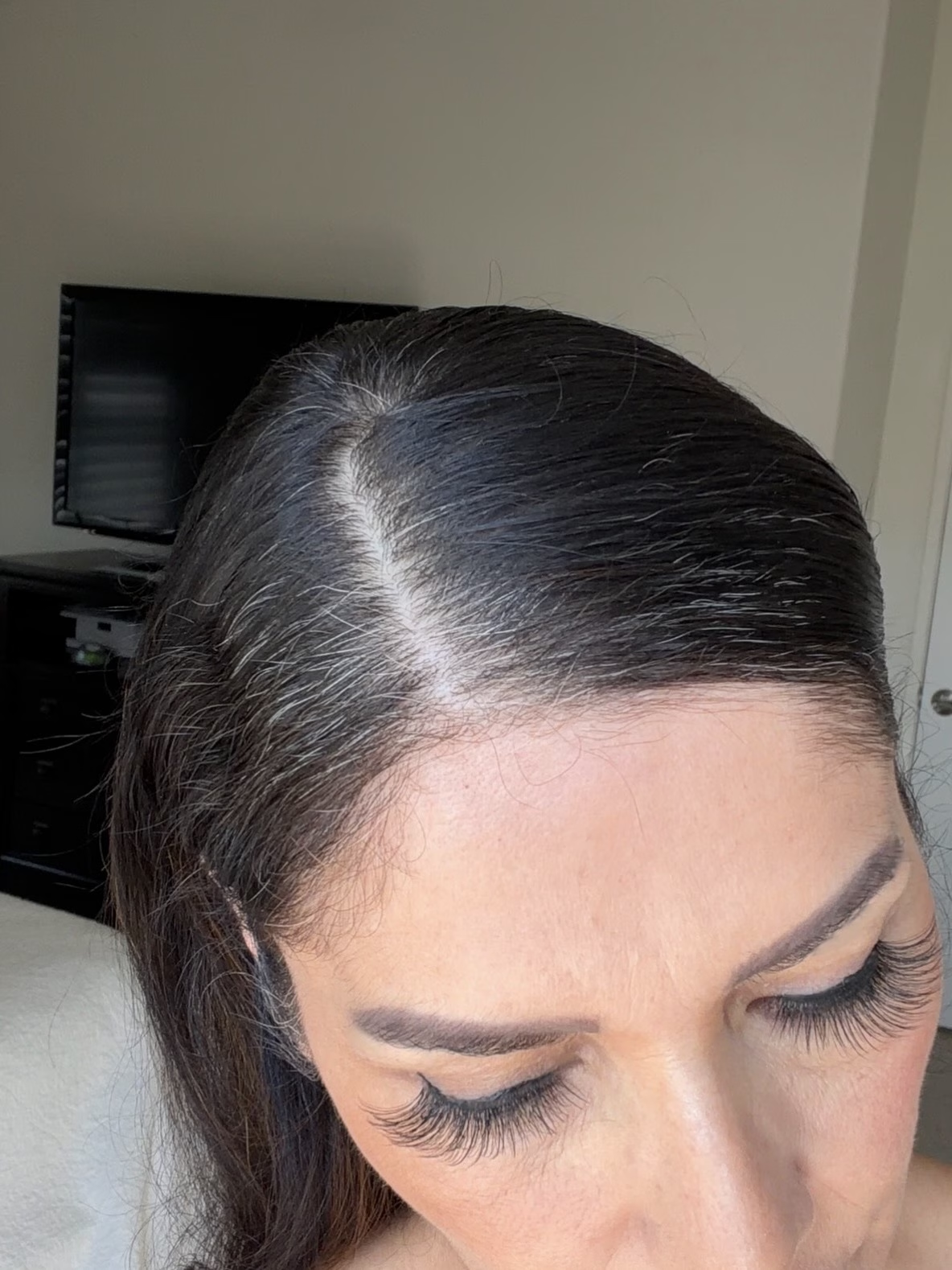
I am currently only two weeks in, so it is much too early for me to make any claims about results.
I took detailed photos of my gray hair before starting, especially in the areas where the grays are most concentrated. I’ll use those as my baseline and photograph the same areas every month.
My plan is to document:
Before: approximately 25% gray
Month 1: shedding, scalp and any early changes
Month 2: density, new growth and gray progression
Month 3: final comparison of my gray hair and overall density
I’m especially interested in looking closely at the roots of my new growth. Since FutureIQ isn’t a dye, that’s where any potential change in pigmentation should actually become visible.
I’ll update this post every month with new photos and my experience. No filters, no strategically hiding the grays and no declaring victory after two weeks.
For now, this is simply my starting point.
Come back next month for my first K18 FutureIQ progress update.
Note: FutureIQ is a cosmetic hair and scalp serum, not a medical treatment for gray hair or hair loss. The clinical results mentioned above are K18’s published study results and don’t guarantee individual results.
Related Post: