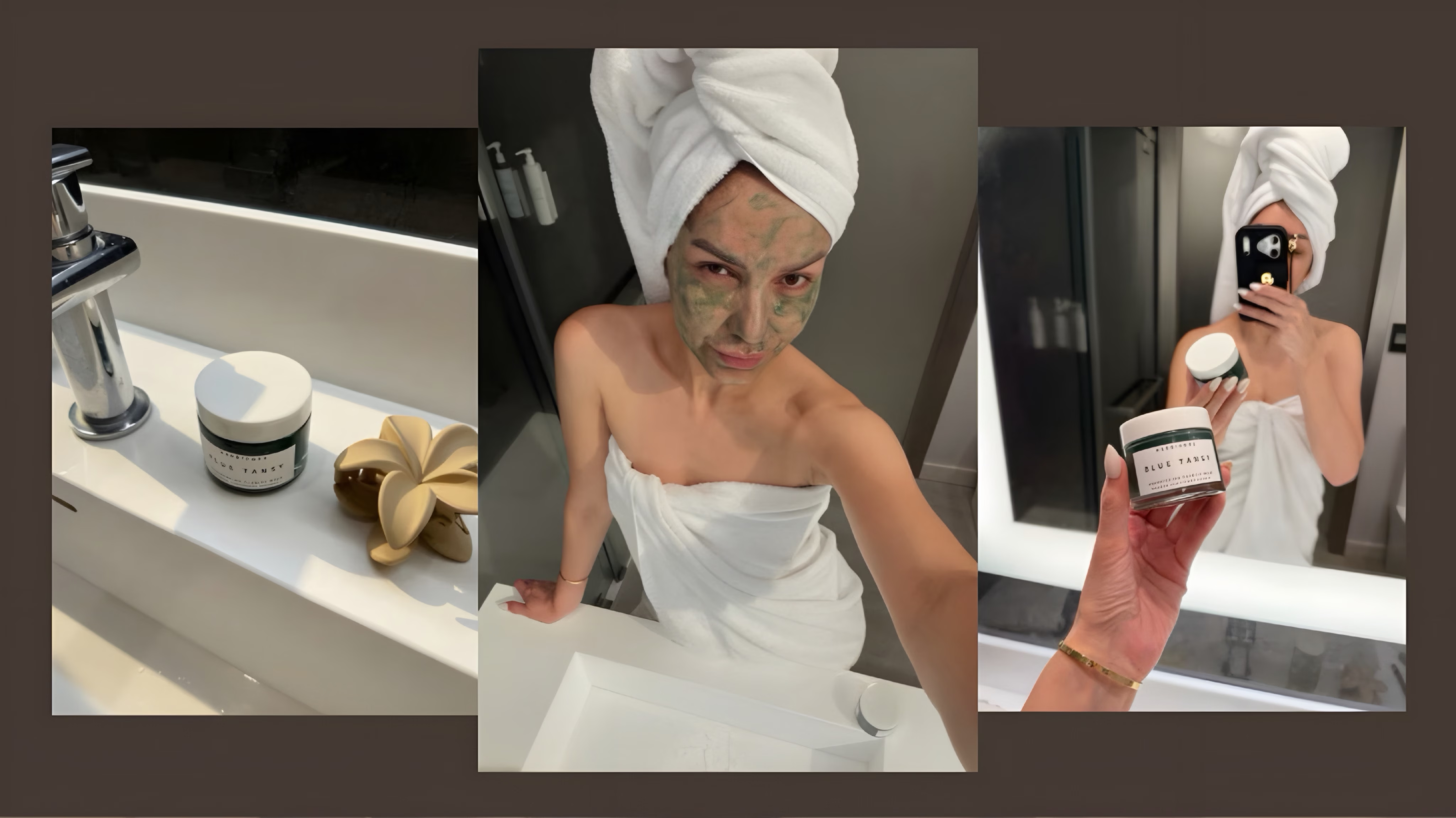
I finally decided to write this review after a couple of months of consistently using the Herbivore Blue Tansy Resurfacing Clarity Mask. If you’ve been eyeing that striking turquoise jar on the shelves or scrolling through reviews trying to decide if it’s worth the investment, this is my honest breakdown of everything you need to know.
Key Takeaways
- This is my personal, long-term blue tansy resurfacing clarity mask review based on several months of use on my combination, congestion-prone skin—not a first-impression take.
- The herbivore blue tansy mask consistently leaves my skin feeling fresh, clean, and noticeably smoother after each use, with what I call a visible “reset” effect by the next morning.
- It’s a vegan, cruelty free, and sustainably packaged AHA/BHA + enzyme gel mask designed to clarify pores and calm redness using blue tansy oil as the star ingredient.
- This mask works best for me as a weekly or pre-event treatment rather than a daily fix for severe acne or deep cystic breakouts.
- A few things to know upfront: expect a cooling sensation, mild tingle on application, potential light staining on washcloths, and this may be too active for very sensitive skin if overused.
About the Herbivore Blue Tansy Resurfacing Clarity Mask
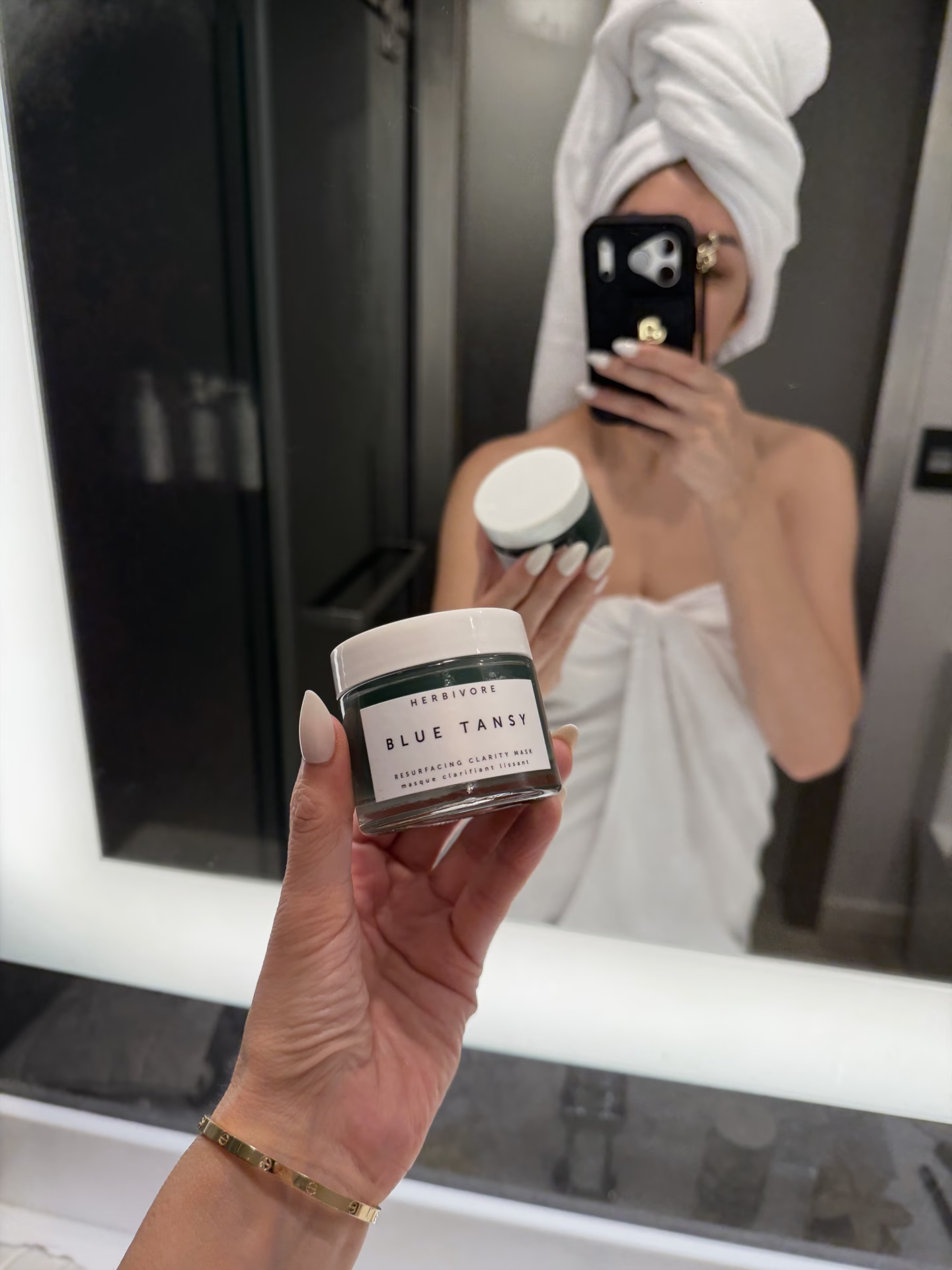
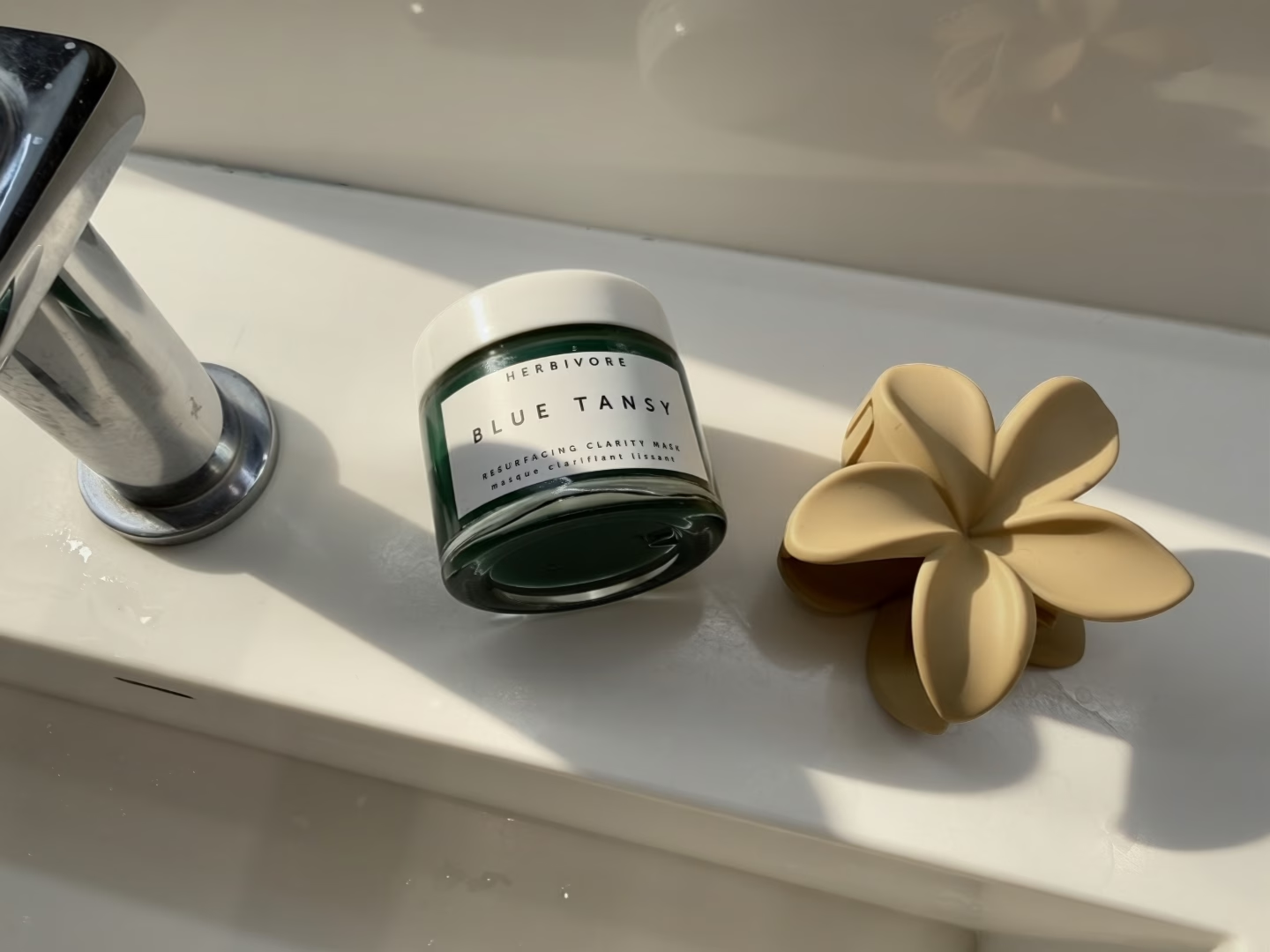
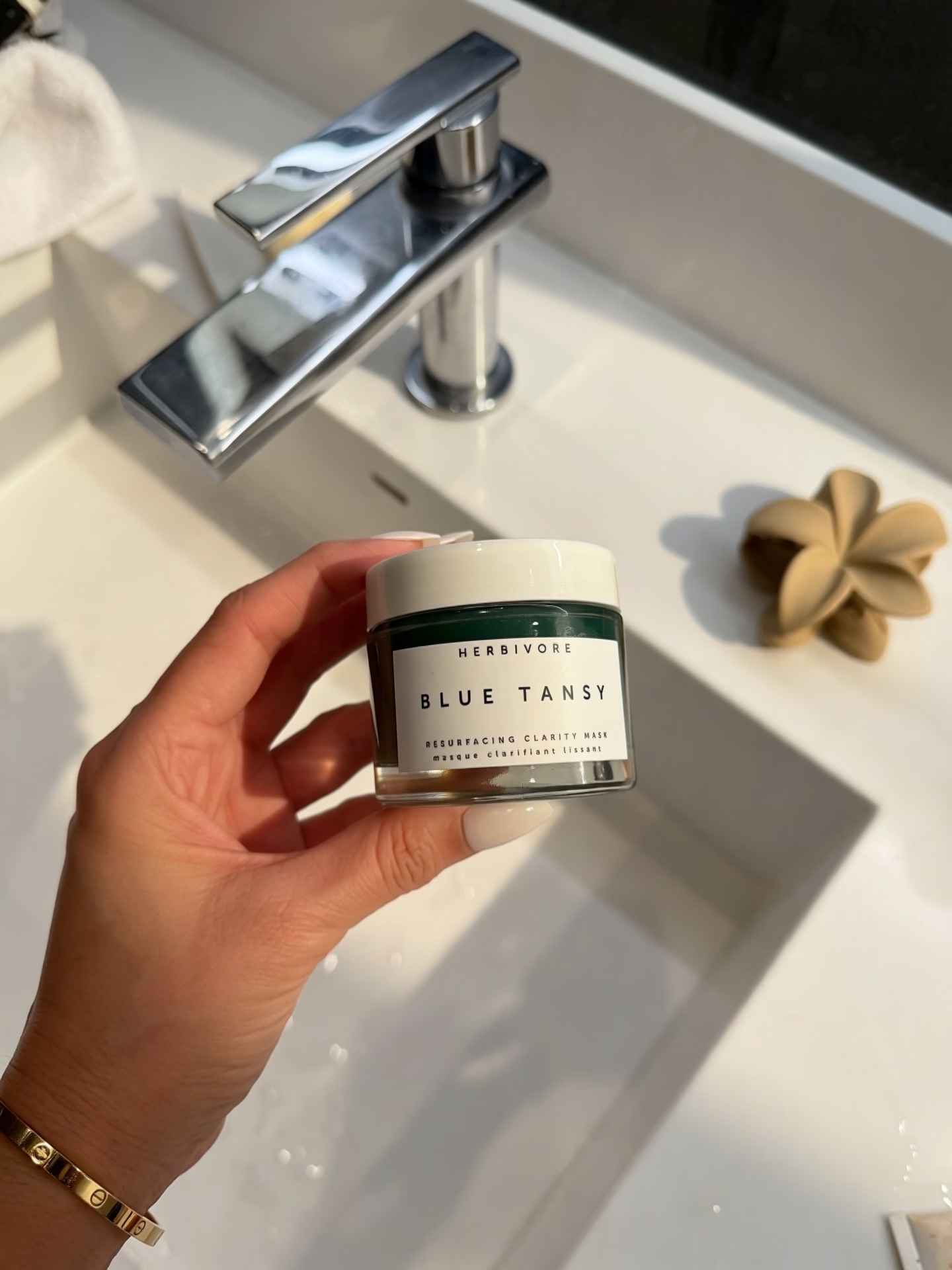
The Herbivore Blue Tansy Resurfacing Clarity Mask is a striking turquoise gel mask that combines AHA fruit enzymes with beta hydroxy acid from white willow bark extract and blue tansy oil. It’s formulated to smooth texture, clear congestion, and leave skin looking more balanced and radiant. The deep teal color comes entirely from the tanacetum annuum flower oil—no artificial dyes involved.
Here are the retail details: the resurfacing clarity mask comes in a 60 ml / 2.02 oz glass jar and typically retails around $48 USD (~C$68 / ~€48.90 depending on your location and retailer). Herbivore Botanicals built their brand around vegan, cruelty free formulas with a focus on naturally derived actives and sustainable materials. The packaging reflects this ethos—a recyclable glass jar with an FSC-certified outer carton and minimal plastic.
The tansy resurfacing clarity mask is marketed specifically toward combination skin, oily skin, and congestion-prone types dealing with dullness, uneven texture, blackheads, and occasional breakouts. If you’re battling hormonal acne or deep cystic breakouts, this alone won’t be your cure-all, but it does offer a reliable weekly refresh.
Packaging, Texture & Scent: First Impressions
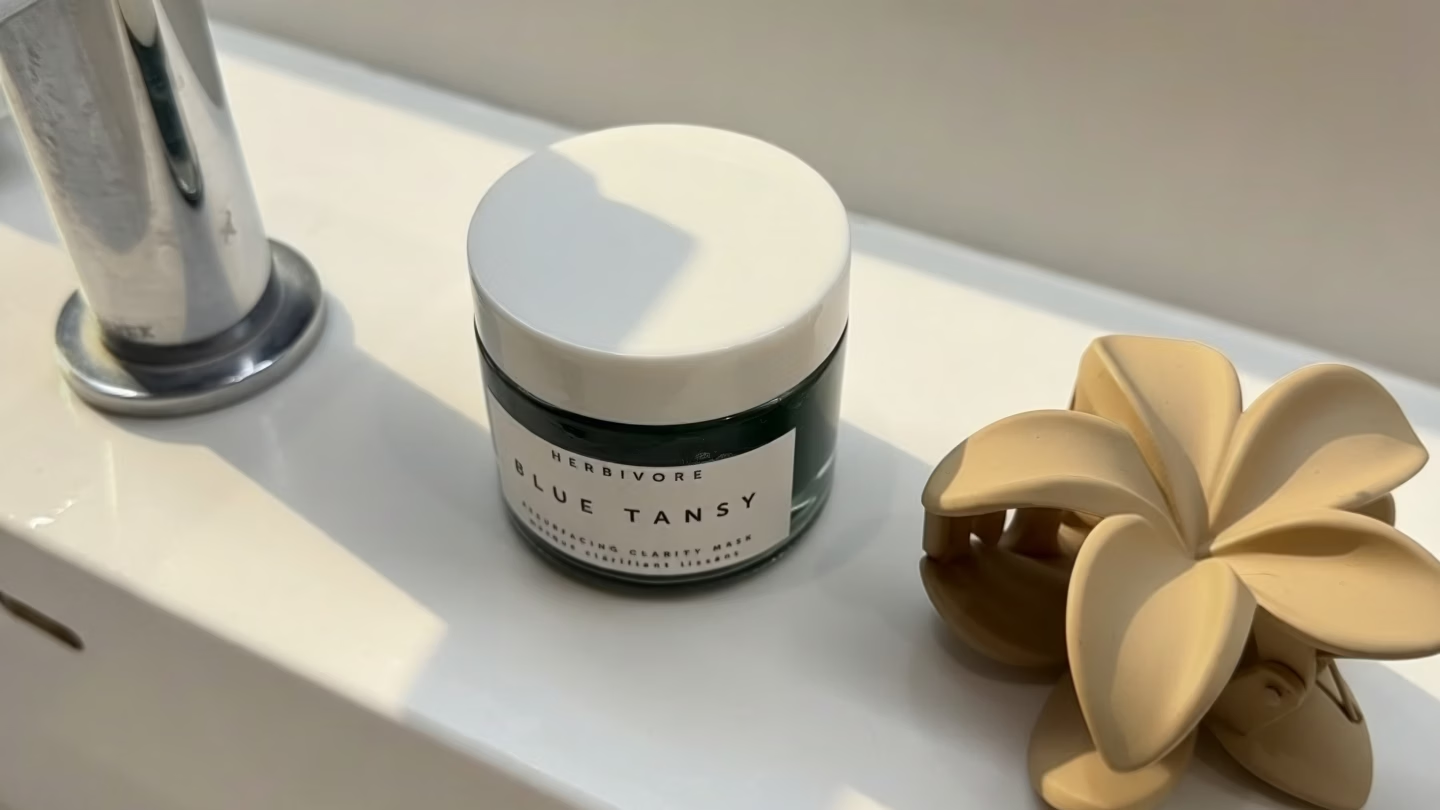
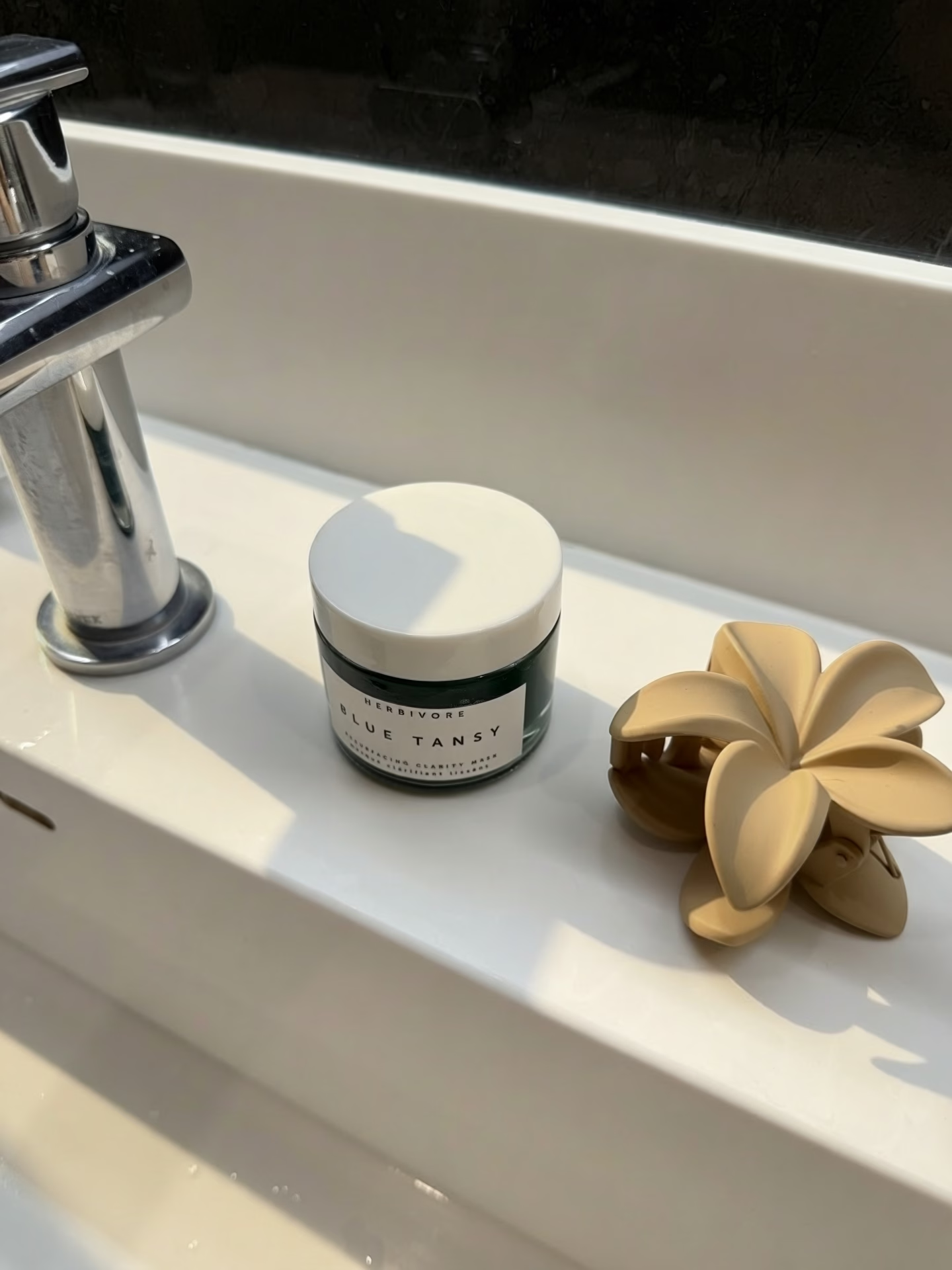
When I first unboxed this face mask, the clear glass jar immediately felt luxe and weighty in my hand. It looks beautiful on a bathroom shelf, but I quickly realized it’s not the most travel-friendly option—I wouldn’t toss this into a weekend bag without serious bubble wrap.
The packaging itself is a clear cylindrical glass jar with a white screw-top lid and a minimal white label. My jar didn’t come with a spatula, so I use my own to keep things hygienic. The sustainability angle is solid: the glass jar and cap are recyclable, and the outer carton uses FSC-certified paper with minimal plastic. This aligns well with Herbivore’s eco-conscious positioning if that matters to your purchasing decisions.
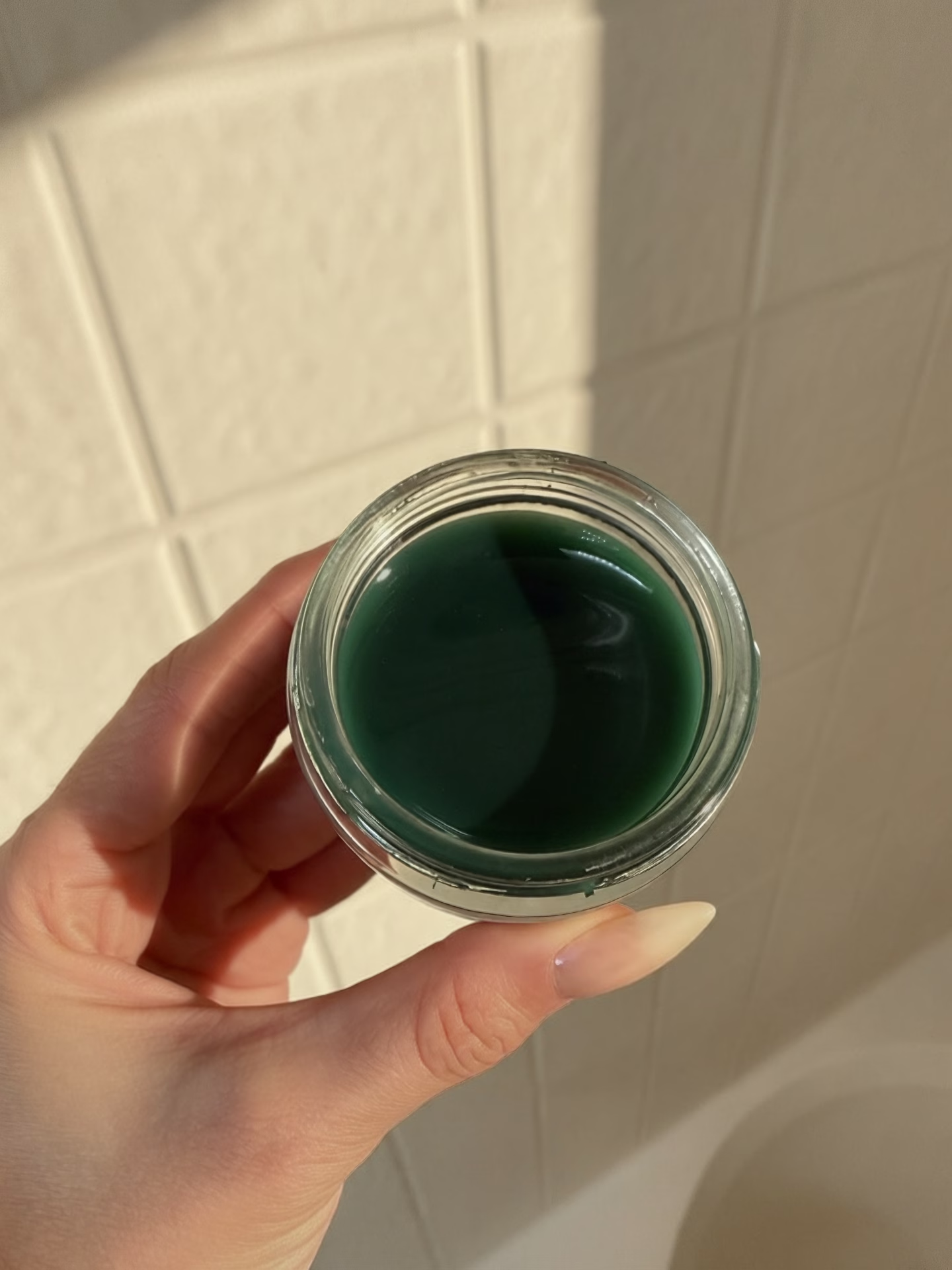
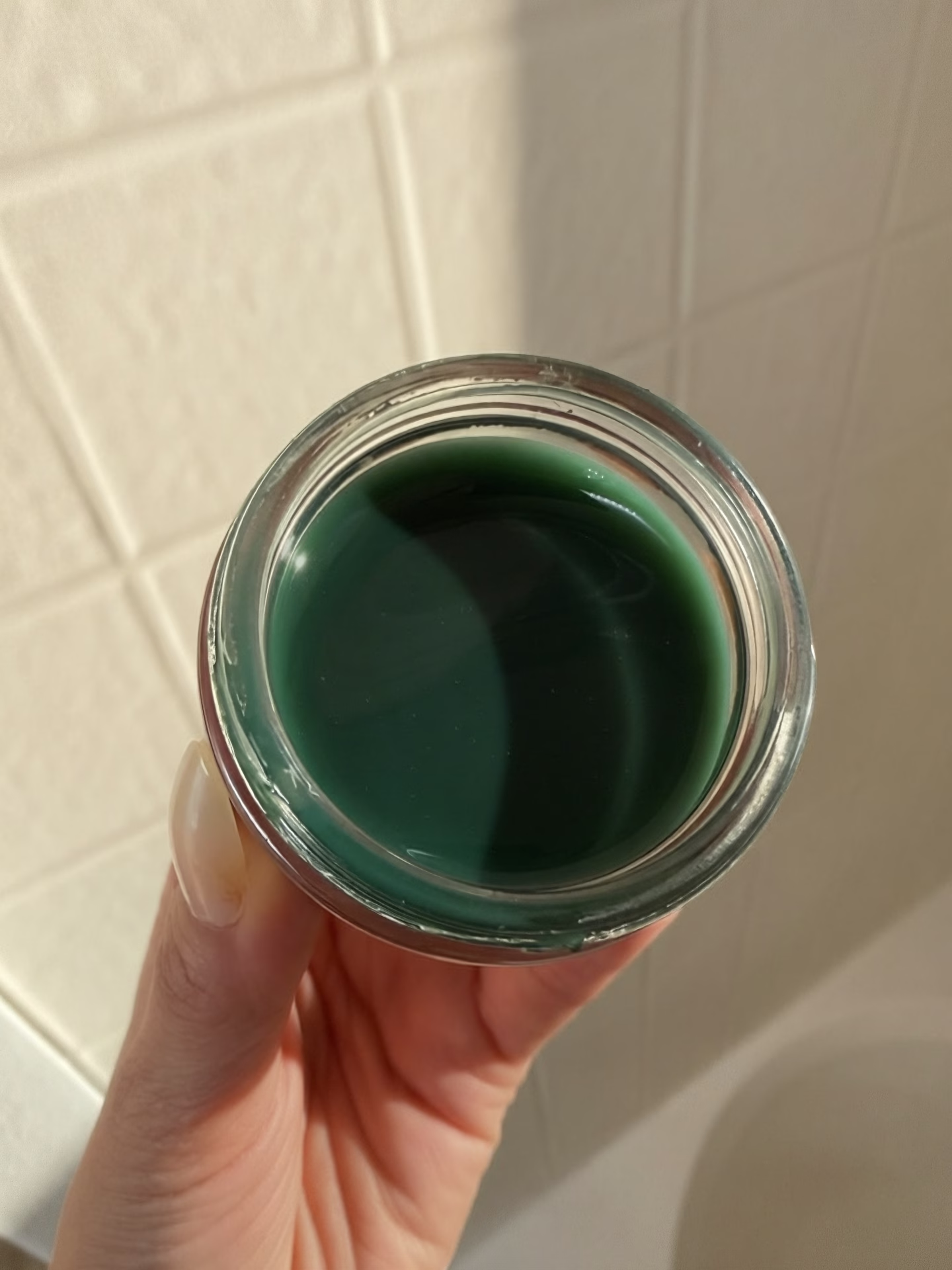
Now, the texture. This clarity mask is runny and jelly-like—a deep teal or blue-green color that comes directly from the blue tansy flower oil. It’s slightly wobbly but not thick like a cream mask. When you apply it, it spreads very thinly and dries down slowly. Unlike clay masks, it never fully hardens or gets crusty on your face.
The scent is where opinions will divide. From my perspective, it has a strong herbal, slightly medicinal aroma—camphorous with subtle floral notes. It’s definitely noticeable on application but fades after a few minutes. If you’re sensitive to natural essential oil scents, this might take some getting used to.
Sensory-wise, I feel an immediate cooling sensation and a light tingle during the first couple of uses. The finish is transparent on the skin with a faint blue tint if you apply it thicker than recommended. A little goes a long way here—one thin layer covers my whole face easily, so the 60 ml jar has lasted me several months with weekly use.
Key Ingredients & How They Work
This is a chemical exfoliating mask that relies on acids and enzymes rather than physical scrubs. There are no gritty beads or abrasive particles—just plant-derived actives doing the work.
Here’s a breakdown of the hero ingredients and how they perform on my skin:
| Ingredient | Function | What I Notice |
|---|---|---|
| Blue Tansy (Tanacetum Annuum Flower Oil) | Anti-inflammatory, calms redness | Reduced redness around active spots, no irritation after use |
| White Willow Bark Extract (Salix Alba Bark Extract) | Natural source of salicylic acid (BHA), clears pores | Fewer blackheads around nose, smoother texture over time |
| Papaya Fruit Extract (Carica Papaya Fruit and Leaf Extract) | Gentle AHA-like exfoliation via papain enzyme | Brighter, more even skin tone |
| Pineapple Fruit Extract (Ananas Sativus Fruit Juice) | Enzymatic exfoliation via bromelain | Dissolves dead skin cells, softer texture |
| Aloe Barbadensis Leaf Juice | Soothing, hydrating base | Cooling sensation, no stripped feeling |
| Hyaluronic Acid | Humectant, retains moisture | Skin doesn’t feel tight post-rinse |
The formula also includes supporting ingredients like glycerin for hydration, xanthan gum and sclerotium gum for that gel-like texture, sodium phytate as a chelator for stability, and leuconostoc ferment filtrate along with sodium levulinate and sodium anisate for preservation. You’ll also find superoxide dismutase (an antioxidant enzyme), corallina officinalis extract for additional soothing, and various botanical extracts including ocimum sanctum leaf extract, melia azadirachta leaf extract, melia azadirachta flower extract, coccinia indica fruit extract, and eclipta prostrata extract.
About the Formula
The formula contains benzyl alcohol and citric acid as well, plus additional extracts like root extract variations for skin-soothing benefits. There’s no lapis oil in this particular product—that’s a different Herbivore product line often confused with this one.
Herbivore reformulated the blue tansy mask in recent years to increase enzyme content while keeping blue tansy oil and willow bark as the star ingredients. I’ve noticed ingredient lists can appear slightly inconsistent across different retailer sites (Sephora vs. Herbivore’s own page), but my jar includes both willow bark and fruit extracts.
Notable exclusions: no physical exfoliating beads, no synthetic fragrance (scent comes from essential oils and botanicals), and it’s fully vegan and cruelty free. That said, readers with very sensitive skin should do a patch test first because of the combination of acids, enzymes, and essential oils.
How I Use the Blue Tansy Mask in My Routine
My skin type is combination with an oilier T-zone, some congestion around my nose and chin, occasional hormonal breakouts, and mild redness. This blue tansy resurfacing mask fits into my skincare routine as a weekly treatment.
Here’s exactly how I apply it:
- I use it on clean, dry skin at night only, 1–2 times per week
- I apply a very thin layer using clean fingers or a spatula, avoiding the immediate eye area and any broken skin
- I leave it on for about 15–20 minutes (when first starting, I recommend 5–10 minutes to test tolerance)
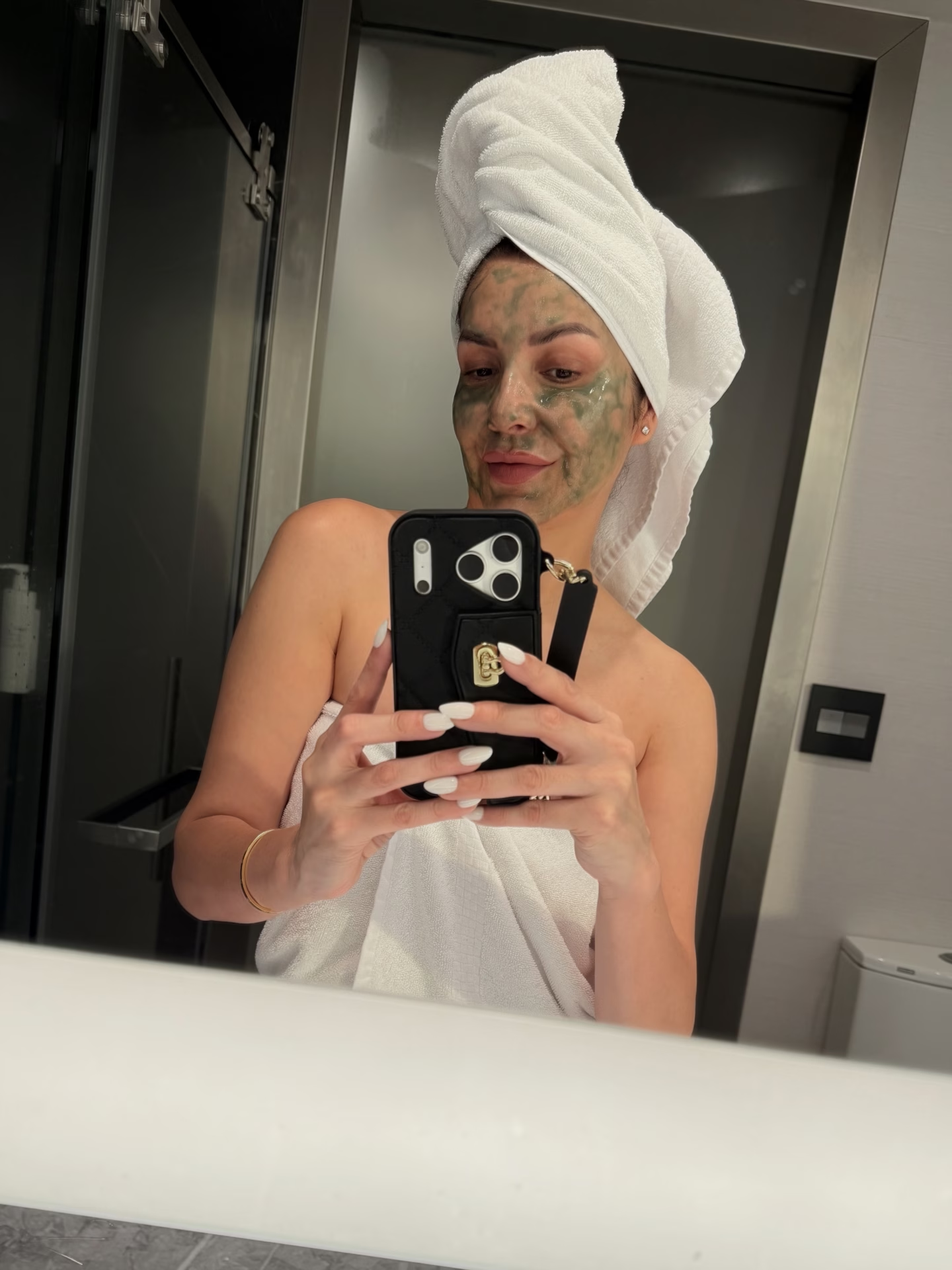
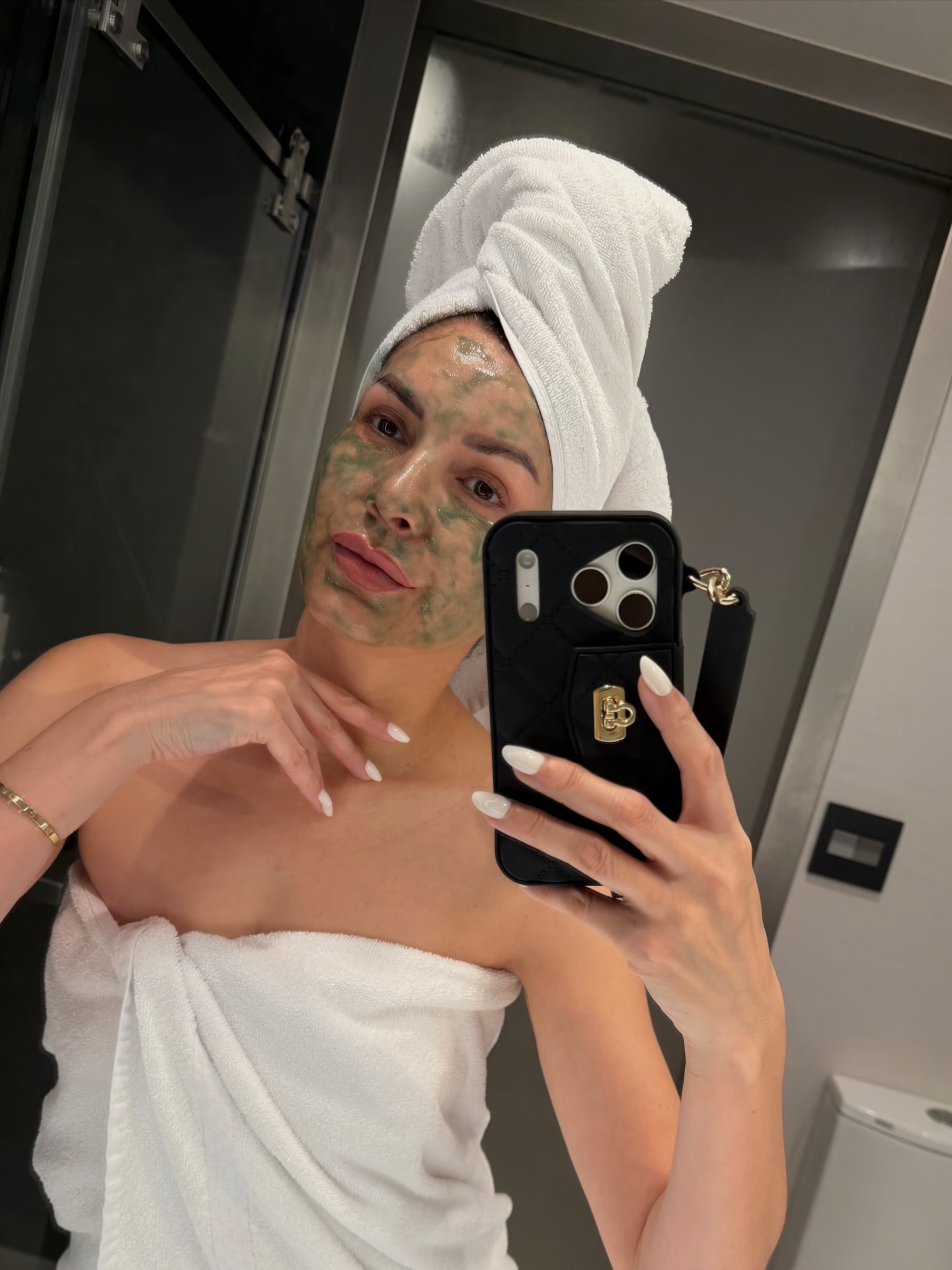
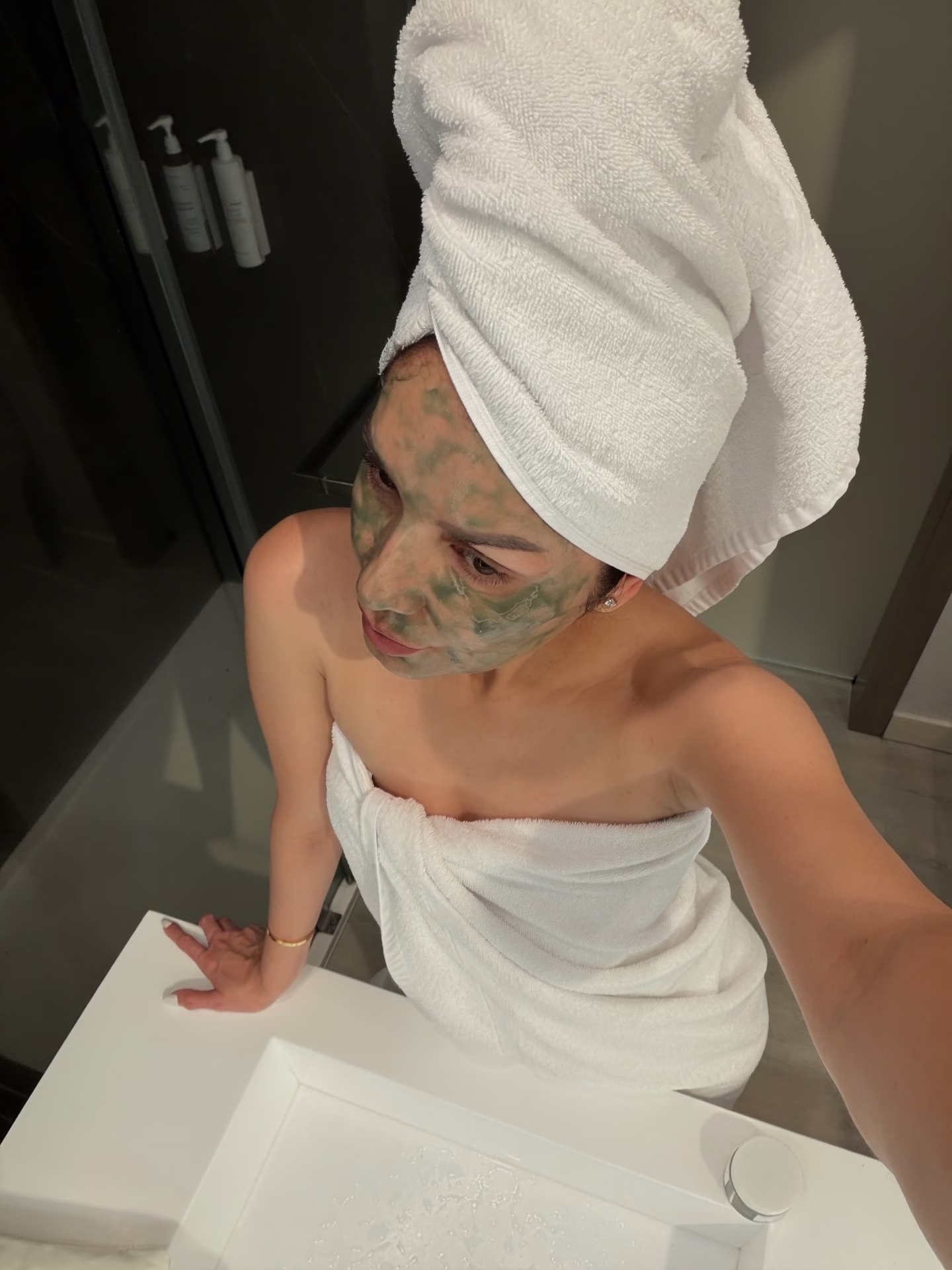
The initial sensations include a slight prickly tingle in the first few minutes that subsides, plus a cooling, “wet” feeling that doesn’t fully dry down like a clay mask would. It stays somewhat slippery throughout.
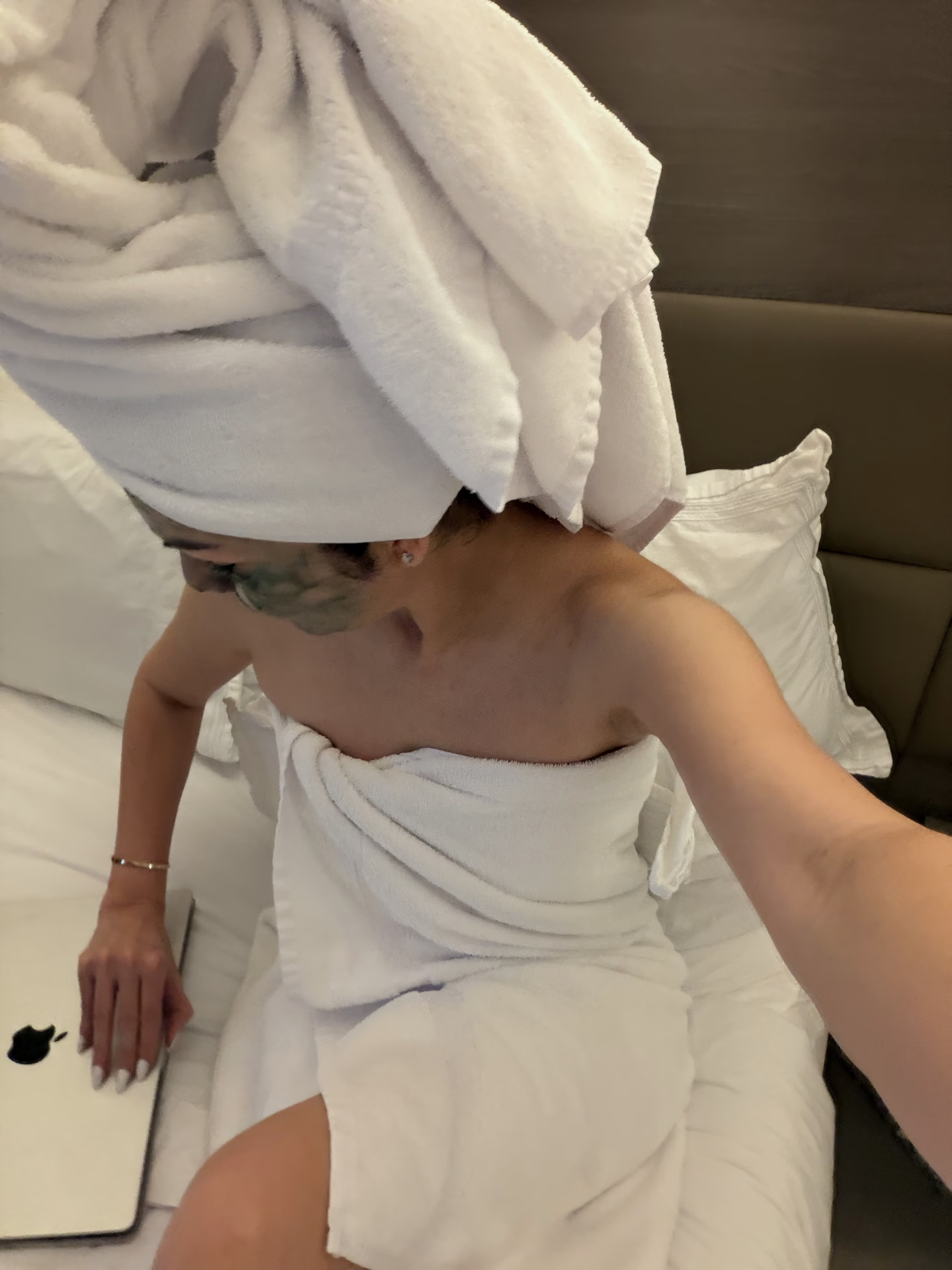
For removal, I rinse with warm water and use a soft, damp washcloth because the slippery gel can cling to the skin. Fair warning: the cloth may pick up a faint blue tint, but it washes out in the laundry.
Immediately after, I gently pat dry and follow with a hydrating toner or essence, a non-irritating serum (no retinol or high-percentage acids on the same night), and a simple moisturizer to lock everything in.
Important caution: I do not combine this mask with other strong actives—retinoids, additional AHA/BHA toners, or vitamin C serums—in the same routine. That’s a recipe for irritation.
Herbivore recommends using it every other day for the first few days, then 2–3 times per week. In my experience, once a week (or twice if I have a big event coming up) feels right for my skin without pushing it toward sensitivity.
My Results: Before & After Using Blue Tansy
I used this mask consistently for about 6–8 weeks, applying it 1–2 times weekly, before forming my full opinion. My goals were improving dullness, uneven texture, and those stubborn clogged pores around my nose and chin.
Immediate Post-Rinse Results
Every single time I use this mask, I notice:
- Skin feels very fresh and clean—like a “de-gunked” sensation without that overly tight, dry feeling
- Complexion looks brighter and more even; my cheeks and forehead have a noticeable glow
- Texture around my nose and chin feels smoother to the touch, with fewer rough patches and less visible small bumps
The Next Morning Effect
This is where the mask really shines for me:
- Redness around active spots and post-blemish marks (including older acne scars) looks slightly reduced
- Pores around my nose appear a bit tighter and less shadowy
- Makeup applies more evenly and doesn’t cling as much to dry patches
- Overall skin tone looks more balanced
What It Doesn’t Do
I want to be honest here:
- It doesn’t magically erase deep, cystic breakouts or prevent every future pimple
- Results are most noticeable for surface congestion, minor breakouts, and overall glow rather than dramatic acne clearing
- Improvements are short-to-medium term; if I stop using it for a few weeks, texture and congestion slowly return
My Big Event Test
The night before my birthday party, I applied this mask and woke up with visibly smoother, calmer skin. My foundation sat better, and I looked genuinely refreshed in photos. This is exactly the scenario where the blue tansy mask really delivers.
My skin has tolerated it well over time with no sustained irritation. However, when I tried using it more than twice a week or combined it with other acids, I noticed mild sensitivity and had to dial back.
Bottom line: It reliably gives me a clarified, calm-looking, glowing skin canvas, but it’s not a cure-all for severe or hormonal acne.
Pros & Cons from My Experience
Here’s my quick, honest rundown based on regular use over a fair amount of time.
Pros
- Leaves my skin feeling immediately fresh and clean with noticeably smoother texture after each use
- Delivers a visible glow and more even skin tone by the next morning, especially before special occasions
- Gentle enough for my combination skin when used 1–2 times a week with no peeling or intense burning
- Vegan, cruelty free formula in recyclable glass packaging aligns with more sustainable skincare choices
- Thin gel texture spreads easily and a little goes a long way, so the jar lasts several months, making the higher price more justifiable
Cons
- Strong herbal blue tansy scent may be off-putting for scent-sensitive users
- Price point is relatively high for a wash-off mask (around $48 for 2 oz)
- Runny texture in a jar can be messy and less sanitary without a spatula; not ideal for travel
- Results are more “instant refresh and smoothness” than long-term acne control; serious breakouts need more targeted treatments
- Can cause tingling or temporary redness on very sensitive skin, especially if left on too long or used with other exfoliants
Who I Think This Mask Is Best For (and Who Should Skip It)
The herbivore blue tansy resurfacing mask is genuinely excellent for certain skin types and concerns, but it’s not a universal must-have. Here’s my honest assessment.
You’ll Likely Love It If You Have:
- Combination and oily skin types struggling with recurring congestion, blackheads, and dullness
- An appreciation for ritual masks that give an instant “reset” and glow before events or after a long week
- A priority on vegan, cruelty free, and more sustainable packaging in your skincare choices
- A preference for chemical exfoliation (acids and enzymes) over physical scrubs that can be too harsh
You Should Be Cautious or Skip It If You Have:
- Very sensitive skin, reactive skin, or rosacea-prone skin that flares easily with acids or essential oils
- Extremely dry skin or a compromised skin barrier that’s already irritated or peeling
- An active prescription for acne or exfoliating treatments (retinoids, strong peels) without first consulting your dermatologist
A quick patch test on a small area of your face or along the jawline for 5–10 minutes can help gauge sensitivity before applying a full-face thin layer.
My personal verdict: I’d repurchase the herbivore blue tansy mask as a “treat” mask for regular refreshes and pre-event glow, but I still rely on simpler, targeted treatments for daily acne management.
FAQ
How often can I safely use the Herbivore Blue Tansy Resurfacing Clarity Mask?
Herbivore suggests starting every other day for the first 3–4 uses, then moving to 2–3 times weekly. In my experience, 1–2 times per week is more than enough for most people and helps avoid over-exfoliation. Overusing any exfoliating mask can lead to irritation and barrier damage, so start slowly and adjust based on how your skin feels. If you notice persistent stinging, redness, or dry skin after rinsing, cut back your usage immediately.
Can I use Blue Tansy on the same night as retinol or other acid products?
I personally avoid layering this mask on the same night as retinoids, strong AHAs/BHAs, or high-percentage vitamin C products. The combination can be too much for most skin types. I recommend designating specific “exfoliation nights” and keeping the rest of your routine simple and hydrating—no extra actives to minimize irritation risk. If you’re under dermatologist care, always follow their guidance about combining actives with this mask.
Is the Herbivore Blue Tansy mask okay for sensitive skin?
The formula includes acids, fruit enzymes, and essential oils, which can be too much for very sensitive or compromised skin. Before doing a full-face application, I’d suggest a patch test on your jawline or behind your ear for 5–10 minutes. If you still want to try it despite some sensitivity, start with shorter wear times (5–7 minutes) and less frequent use. Watch for any signs of sustained irritation.
Will the Blue Tansy mask stain my skin or towels?
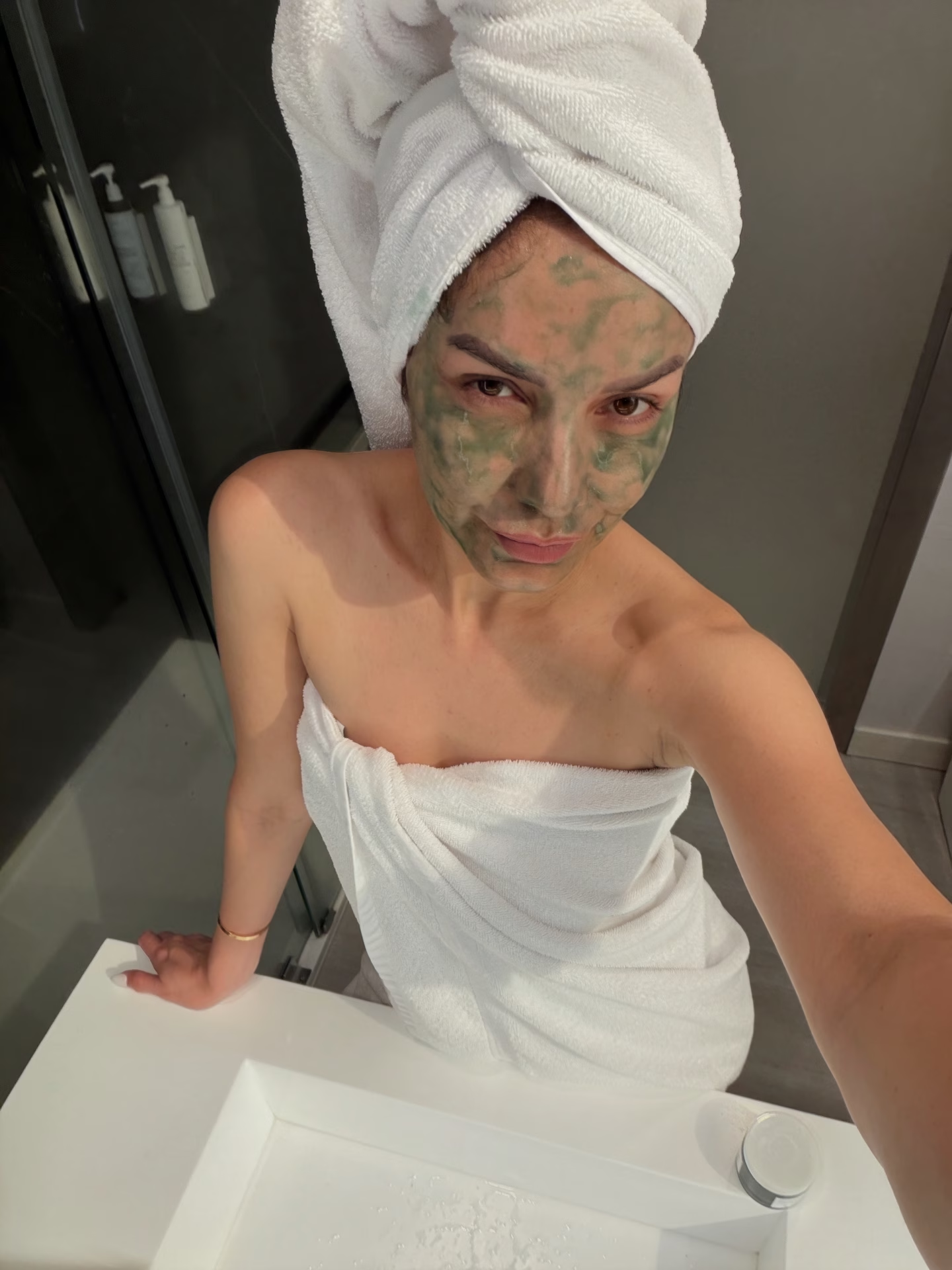
The mask can leave a subtle blue tint on your skin if applied thickly, but this rinses away completely with thorough washing using warm water. It can lightly tint a white washcloth during rinsing—in my experience, this washes out in the laundry, but use a darker cloth if you’re concerned. The blue color comes from the natural source of blue tansy oil’s pigment (chamazulene) and doesn’t indicate irritation.
How long does one 60 ml jar typically last with regular use?
With a thin layer applied 1–2 times per week, one jar lasts me approximately 3–5 months. Using more product than needed won’t dramatically boost results, so a sheer layer is both effective and more economical—working out to roughly $2–3 per treatment. For storage, keep the jar tightly closed and away from direct sunlight to protect the natural color and gently exfoliate actives from degrading over time.