Key Takeaways
- I added a vitamin c serum to my morning routine in late 2025 and quickly noticed brighter, more even skin and fewer new dark spots forming over the following weeks.
- This article covers 5 specific reasons vitamin C deserves a permanent place in your daily routine, plus honest reviews of three popular serums at different price points: e.l.f., Garnier, Medicube and SkinCeuticals.
- The main benefits include improved brightness and skin tone, collagen production support for firmer skin, antioxidant properties that protect against environmental damage, help with fading dark spots, and better performance from your SPF and other skincare products.
- Most people do well starting with 8-15% concentration, and visible results typically appear within 2-4 weeks for brightness, with deeper improvements like fading hyperpigmentation taking closer to 8-12 weeks.
- The article ends with a practical FAQ covering topics like mixing vitamin C with other actives, optimal application timing, and how to tell when your serum has gone bad.
Introduction: Why I Finally Committed to Vitamin C Serum
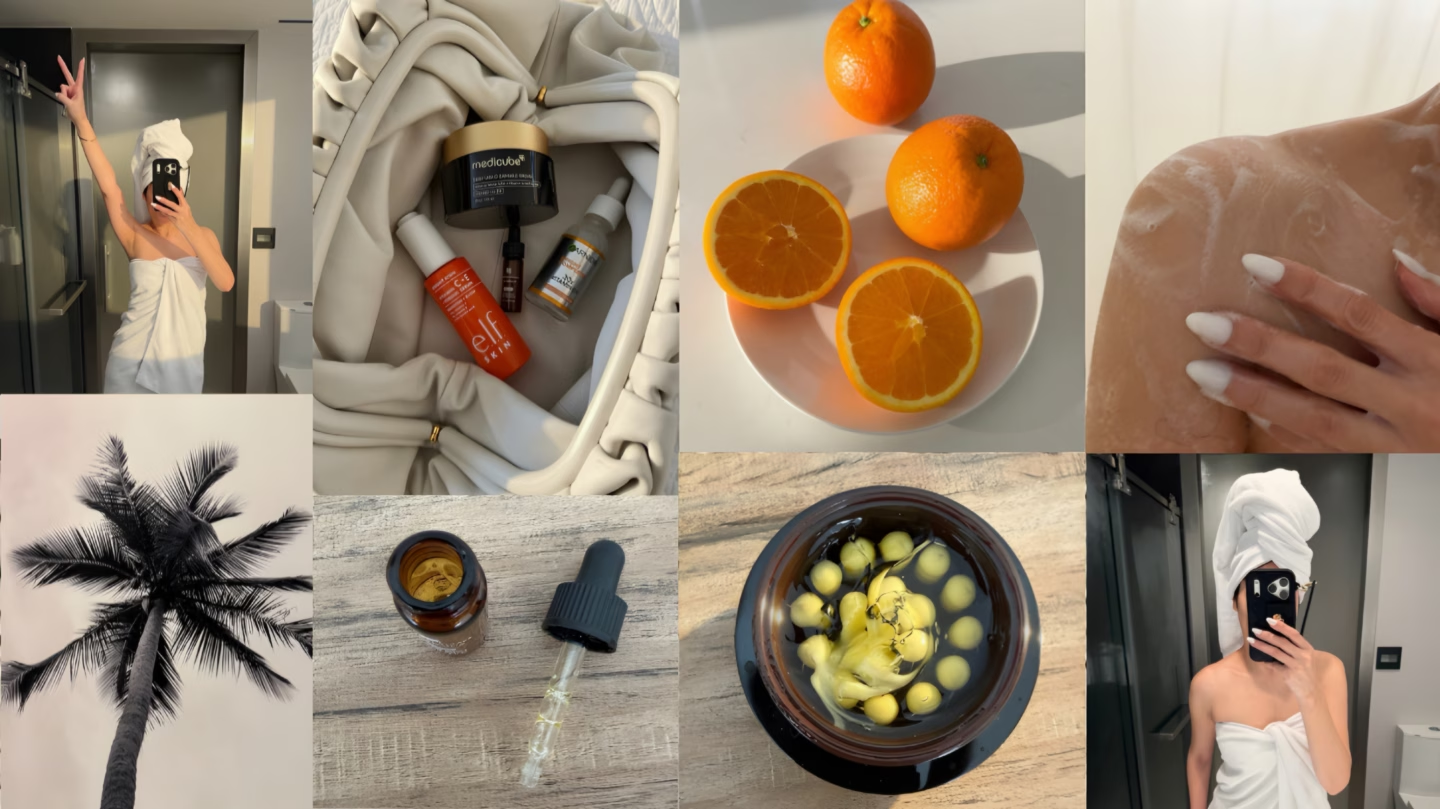
I’ll be honest—I was skeptical about vitamin C serum for a long time. It’s one of those skincare ingredients that gets hyped so much you start wondering if it’s all marketing. But a few months ago, I added a dedicated vitamin c serum to my morning skincare routine, and I noticed something I wasn’t expecting: my skin actually looked more awake. Makeup sat better. That slightly tired look around my cheeks and mouth started fading.
After about 8-12 weeks of consistent use, the difference in overall brightness and evenness became hard to ignore. The improvements weren’t dramatic overnight, but they were steady and real.
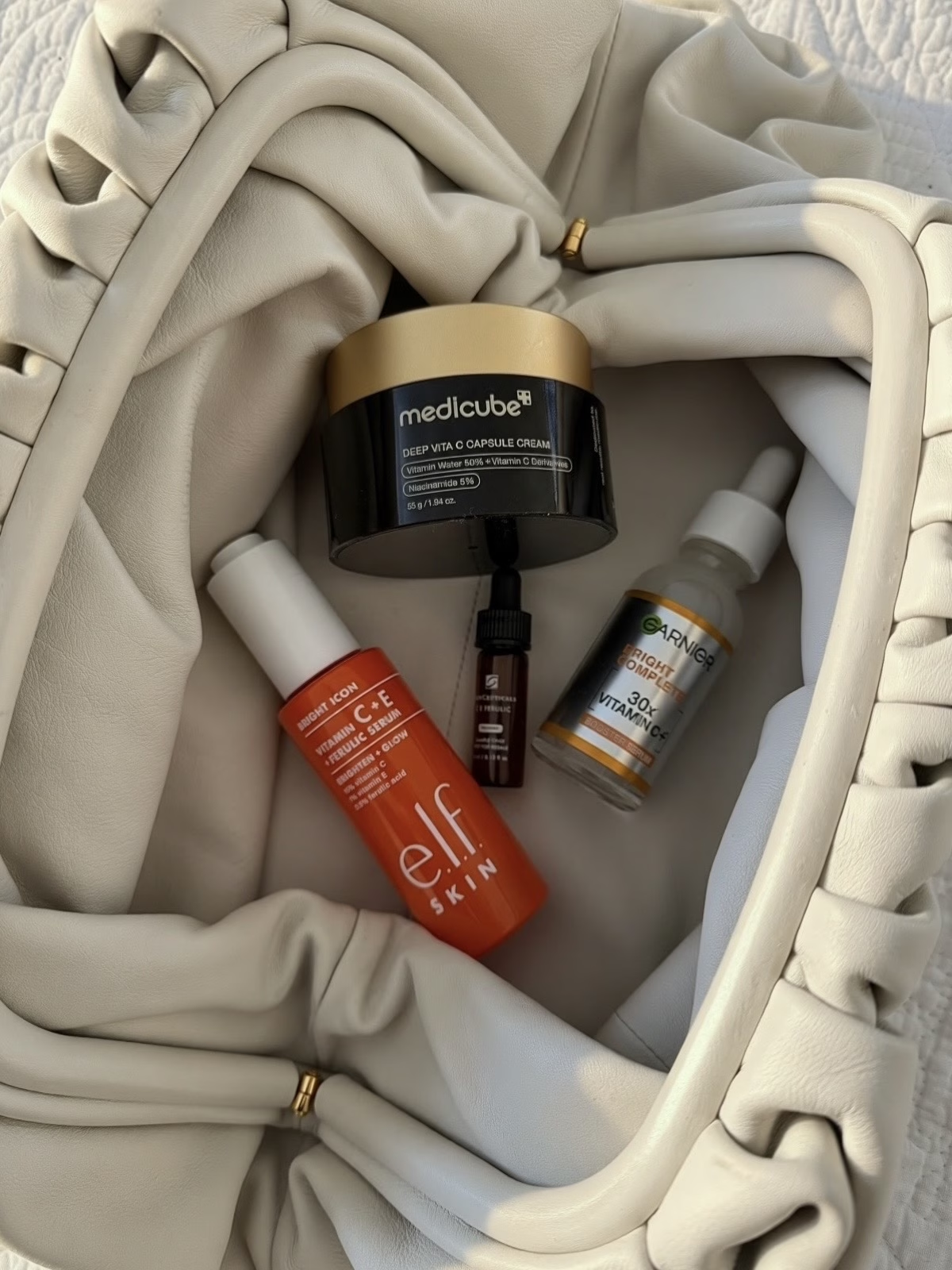
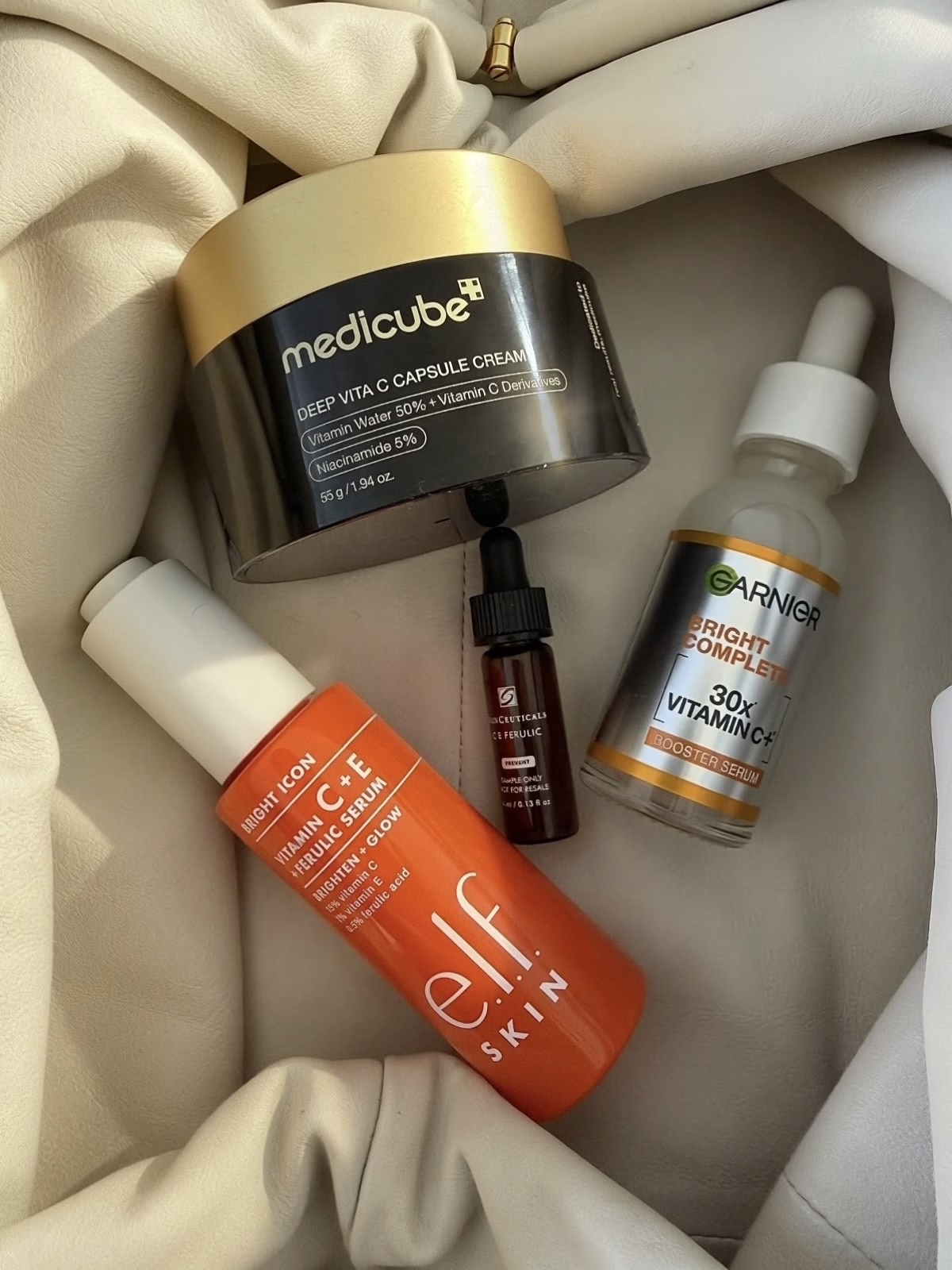
This article focuses on 5 core reasons to incorporate vitamin C serum into your routine—not an exhaustive list of every possible benefit, but the ones that actually mattered when I saw results in my own skin. I’ll also compare three products I’ve either used or researched thoroughly: the e.l.f. Vitamin C & E Brightening Serum, Garnier Vitamin C Brightening Serum, and SkinCeuticals C E Ferulic. Think of this as a friend explaining what worked, backed by straightforward skin science instead of marketing fluff.
Reason 1: Vitamin C Gives Noticeably Brighter, More Even Skin
One of the first changes I personally noticed was that my skin looked less dull within a few weeks. The areas that used to look tired—around my cheeks and mouth especially—started looking more alive. It wasn’t a dramatic transformation, but definitely noticeable enough that I kept using the product.
Here’s why this happens: vitamin C interferes with excess melanin production in skin cells. This process helps fade existing dark spots and prevents new ones from getting as dark. If you’re dealing with post-acne marks, mild sun spots, or general unevenness in skin tone, this is where vitamin C really earns its place.
- Expect minor brightness improvements in about 2-4 weeks of consistent daily use
- Visible fading of dark spots usually takes 8-12 weeks for most people
- Results are gradual—this isn’t an overnight fix
- Vitamin C works best paired with daily SPF 30+ to prevent new sun damage while fading existing pigmentation
- Patience matters more than product price when it comes to achieving a brighter complexion
For anyone dealing with uneven tone or hyperpigmentation, understand that vitamin C is a long game. But the payoff—fewer new spots and gradual fading of existing ones—makes the consistency worth it.

Reason 2: It Supports Collagen for Firmer, Smoother Skin
Beyond brightness, vitamin C plays a direct role in collagen synthesis. It acts as a cofactor that helps your skin build and maintain its own collagen, which affects how firm your skin feels and how pronounced fine lines appear over time.
I want to be clear: topical vitamin C doesn’t “add” collagen from the outside. Instead, it supports your skin’s natural ability to boost collagen production internally. This means the effects on firmness and fine lines tend to be more subtle and take longer than brightening effects.
- Vitamin C stimulates collagen production, which directly impacts skin firmness and elasticity
- After a couple months of consistent use, I noticed subtle plumpness and better bounce, especially in the morning
- This ingredient helps with wound healing and maintaining skin structure over time
- Fine lines around the eyes and mouth may soften gradually
- Expect firmness improvements around 2-3 months of steady use, especially if you’re in your late 20s or beyond
The key word here is “support.” Vitamin C won’t reverse years of premature aging overnight, but it gives your skin what it needs to promote collagen production and maintain that bouncier, firmer feel over time.
Reason 3: Daily Antioxidant Protection Against Environmental Damage
Every day, your skin faces free radicals from UV rays, pollution, smoke, and even blue light from screens. These unstable molecules basically chip away at collagen and create dullness, rough texture, and signs of the aging process that accumulate over time. This is where vitamin C really shines as a powerful antioxidant.
Topical vitamin c acts like a shield booster, neutralizing free radicals before they can contribute to cell damage. Think of it as fighting free radicals before they get a chance to cause trouble—reducing the harmful effects of uv radiation and environmental stressors on your skin health.
- Vitamin C protects against free radical damage from uv exposure, pollution, and other environmental aggressors
- This is why I use vitamin C in the morning instead of at night—so my skin has that antioxidant layer under SPF while I’m out
- Pairing vitamin C with vitamin E and ferulic acid (like in SkinCeuticals C E Ferulic) enhances antioxidant protection significantly
- This combination also helps stabilize the vitamin C formula, making it last longer
- People in cities, outdoor workers, or anyone near sunny windows will likely see the biggest long-term payoff
The antioxidant properties of vitamin C provide added skin protection that goes beyond what sunscreen alone can offer. It’s not a replacement for sun protection, but it’s a powerful complement.
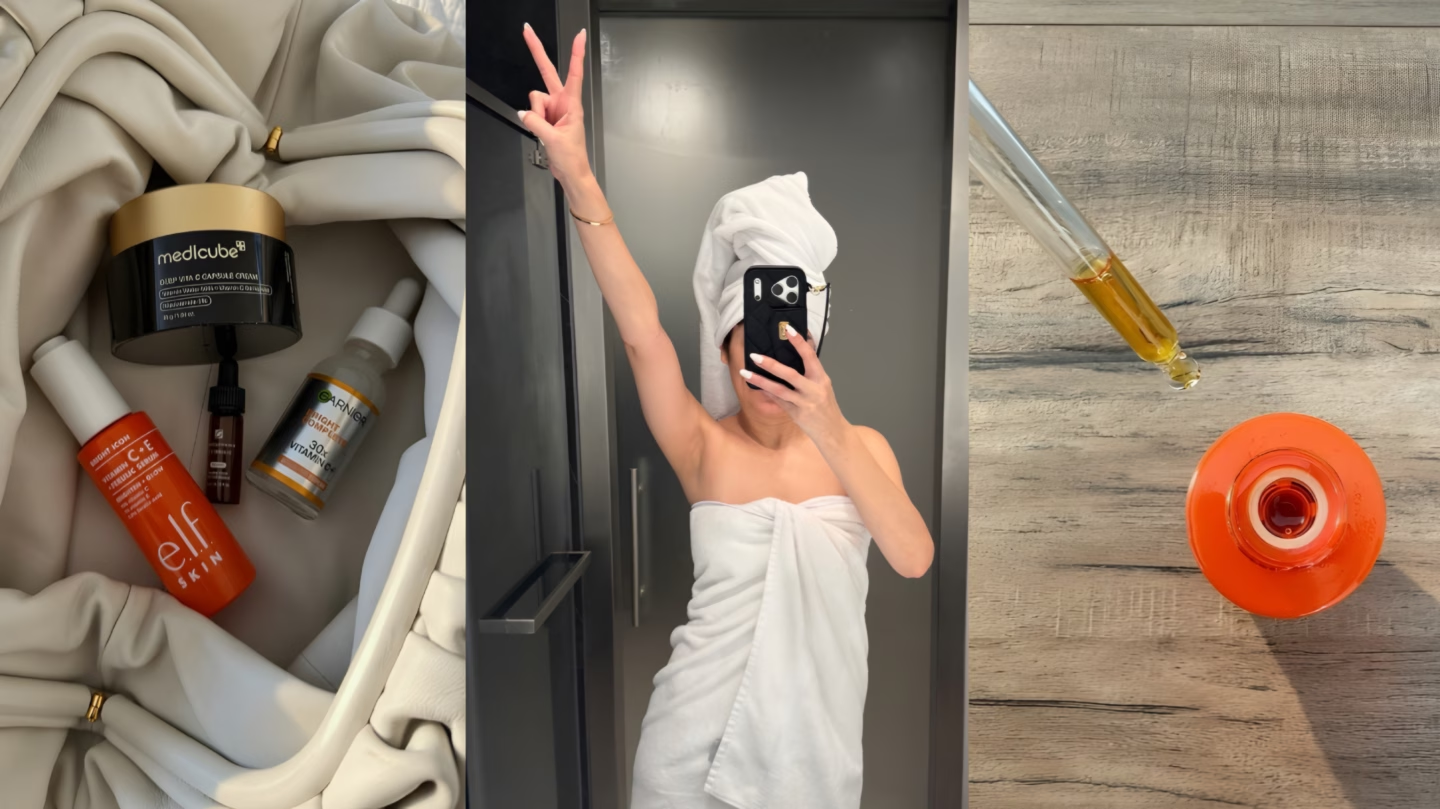
Reason 4: It Helps Your Sunscreen and Other Actives Work Smarter
Here’s something that surprised me: vitamin C serum doesn’t replace sunscreen, but it can enhance your overall defense when layered correctly underneath a broad-spectrum SPF. Even the best sunscreen lets some ultraviolet radiation through. Vitamin C helps mop up the free radicals that slip past your sun protection, giving you a more complete defense against photoaging and sun damage.
Beyond sunscreen synergy, vitamin C plays nicely with many other skincare ingredients:
- Hyaluronic acid pairs well for hydration—vitamin C on slightly damp skin followed by hyaluronic acid works great
- Niacinamide complements vitamin C for calming and protective barrier support
- For retinol or alpha hydroxy acids, the easiest approach is vitamin C in the morning and stronger actives at night to reduce redness and irritation
- This separation prevents overloading sensitive skin types with too many active ingredients at once
Simple morning application order:
- Cleanse
- Optional toner or mist
- Vitamin C serum (3-5 drops)
- Moisturizer for moisture retention
- Broad-spectrum SPF 30+
This approach gives you optimal results without complicating your skincare routine, vitamin C integration.
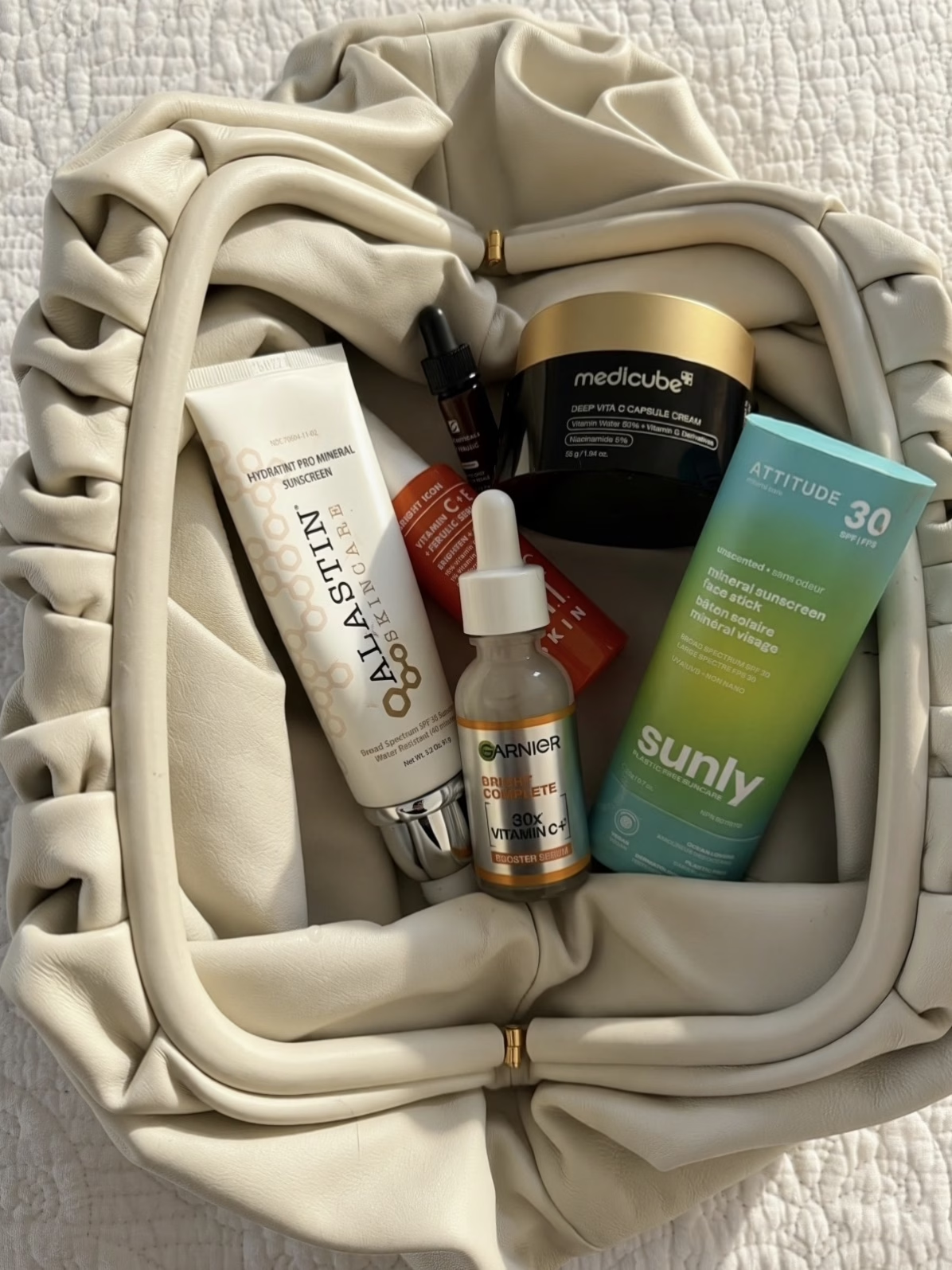
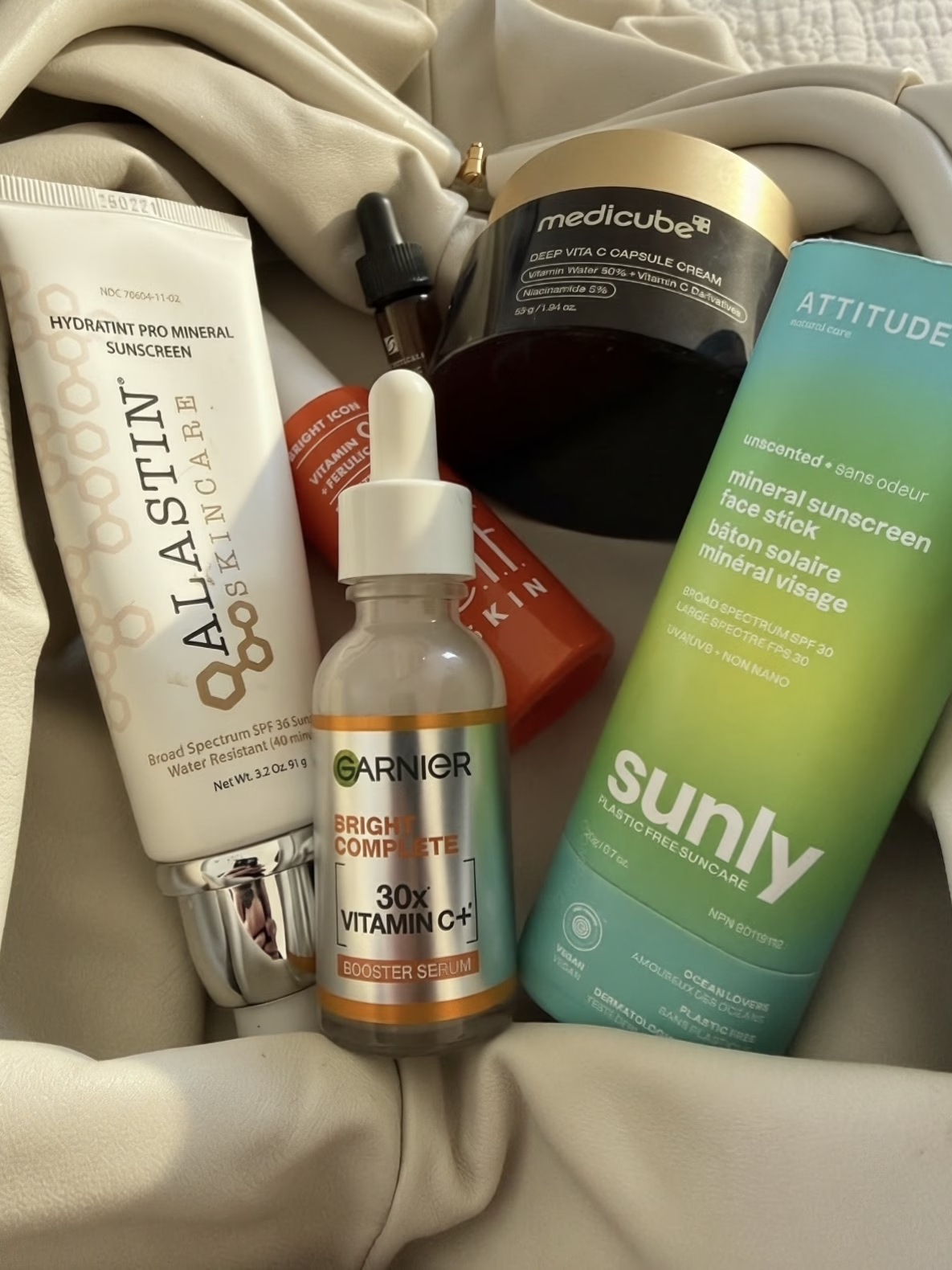
Reason 5: It’s Versatile Enough for Most Skin Types (With the Right Formula)
Not every skin type loves high-strength l ascorbic acid, which is the purest form of vitamin C. But here’s the good news: there’s usually a form of vitamin c and concentration that can work for almost anyone, including those with sensitive skin or reactive skin conditions.
Pure ascorbic acid is highly effective but can cause stinging or irritation at higher concentrations. That’s where vitamin C derivatives come in:
- Sodium ascorbyl phosphate is gentler and more stable form, great for sensitive skin types
- Magnesium ascorbyl phosphate offers similar benefits with less irritation potential
- These derivatives convert to active vitamin C in the skin, just more gradually
Starting recommendations:
- Beginners or those with dry skin or sensitive skin should start around 8-15% concentration
- Experienced users can try 15-20% for stronger brightening and anti aging benefits
- More isn’t always better—if higher strengths cause irritation, drop down to a gentler formula
When I first added vitamin C, I chose a mid-strength formula instead of jumping straight to 20%, and that helped me avoid stinging and redness entirely. I’d recommend doing a patch test on a small area near your jawline for 24 hours before full application, especially if you have rosacea, eczema, or generally reactive skin.

How I Use Vitamin C in My Own Routine (Step-by-Step)
Vitamin C has become a non-negotiable step in my morning skincare routine. The key is keeping it simple and consistent rather than overcomplicating things.
My current morning routine:
- Gentle cleanser (nothing harsh that strips the skin’s protective barrier)
- Lightweight hydrating toner or mist
- Vitamin C serum—3-5 drops applied to completely dry skin
- Wait about 1 minute before the next step
- Moisturizer appropriate for my skin type
- Broad-spectrum SPF 30+ (this part is crucial for maximizing vitamin C benefits)
Evening approach:
- I focus on repair ingredients like retinol or peptides at night
- Vitamin C stays primarily for daytime when its antioxidant protection matters most
- This separation also helps prevent potential irritation from layering too many actives
One tip that made a difference: I apply vitamin C to completely dry skin and wait about a minute before layering the next product. This minimizes any stinging and improves absorption into skin cells.
Consistency matters more than perfection here. Even if you skip once in a while, staying above 5 days per week is usually enough to maintain the numerous benefits. Don’t stress about being perfect—just stay reasonably consistent.
Vitamin C Serum Reviews: e.l.f., Garnier, Medicube & SkinCeuticals
There are hundreds of vitamin C products on the market, which makes choosing overwhelming. I’m focusing on three well-known options at very different price points to give you a realistic range of what’s available.
Each review covers pros, cons, approximate price, and who the product might work best for. Keep in mind that prices vary by retailer and change over time, so treat these as ballpark figures rather than exact numbers.
The goal here is practical and honest: what’s actually good, what’s not, and what expectations to have at each price point.
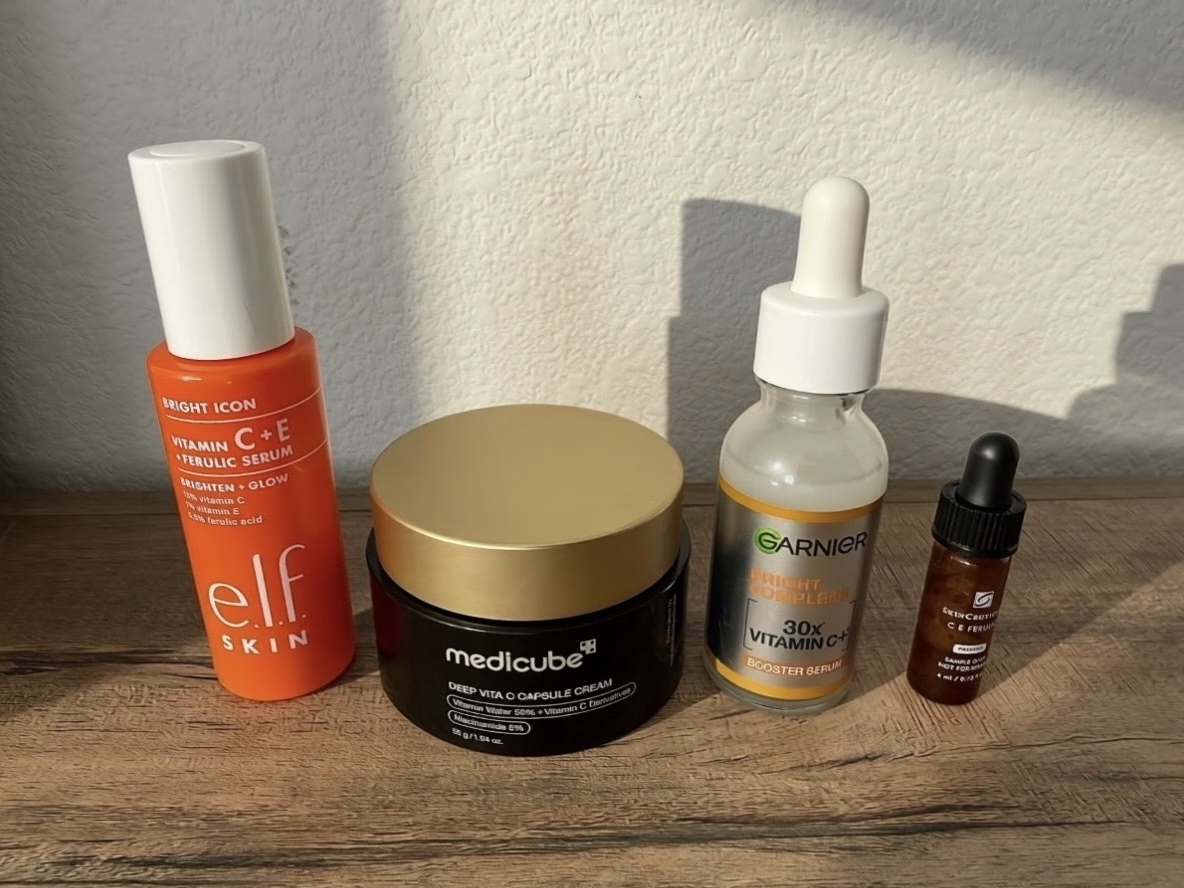
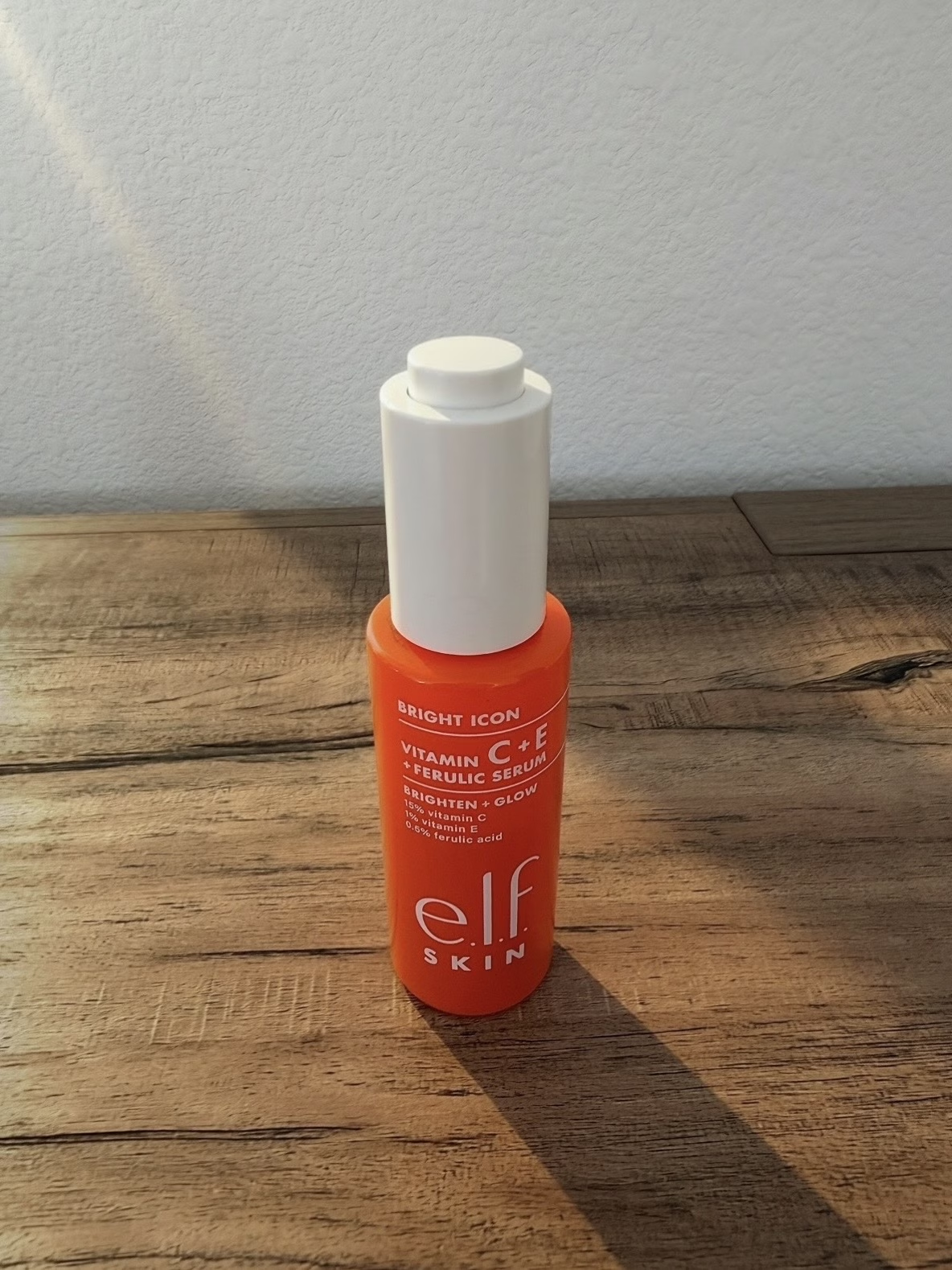
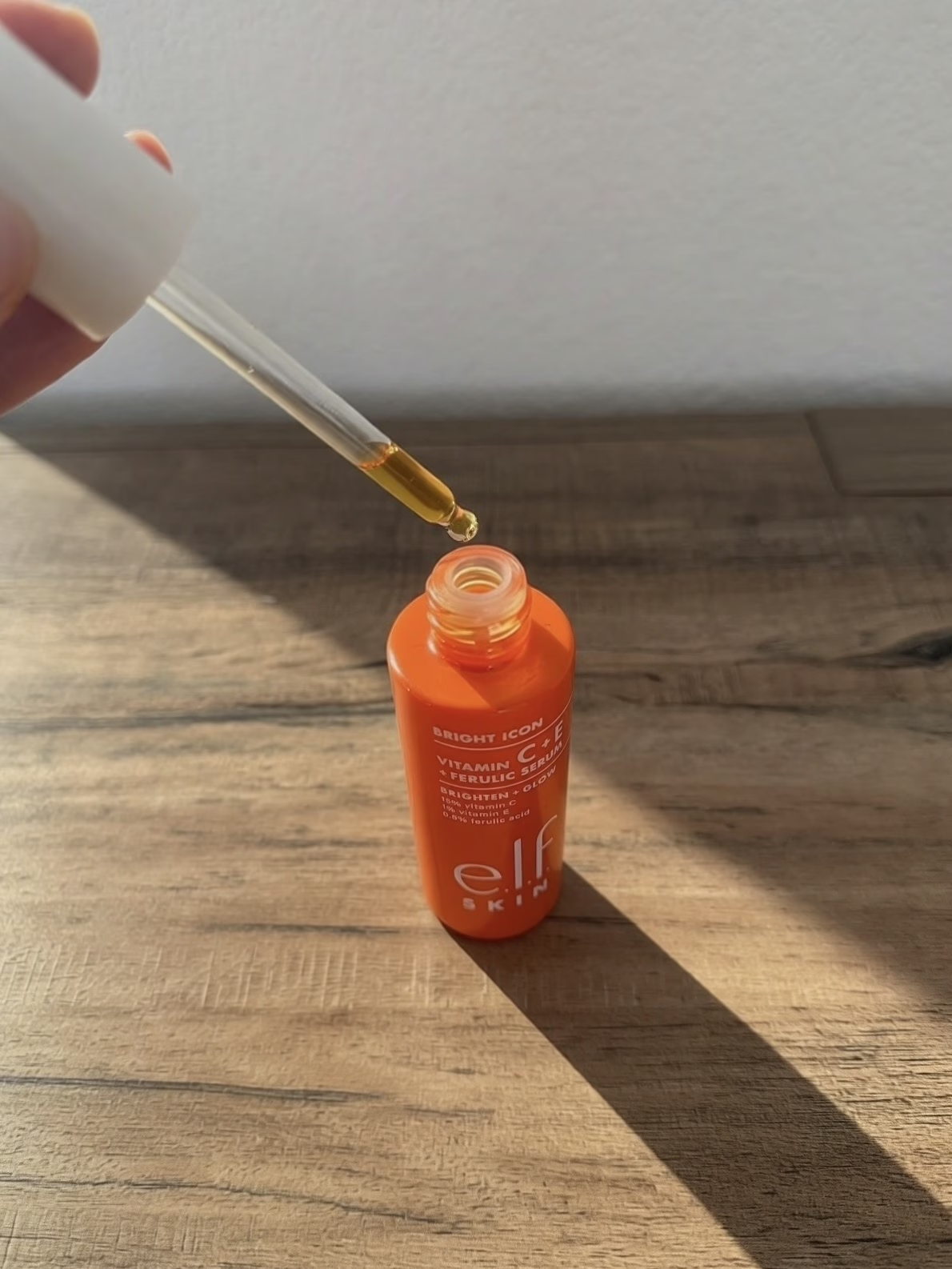
e.l.f. Vitamin C & E Brightening Serum
This is a budget-friendly, accessible option you’ll find in drugstores and online. It’s particularly suitable for beginners or anyone testing whether vitamin C skincare products fit their skin before investing more.
Type of product & formula: Contains vitamin C along with vitamin e and hydrating skincare ingredients. Typically uses more stable form vitamin C derivatives rather than very high-strength pure ascorbic acid, making it gentler for cautious users.
Pros:
- Very affordable compared to prestige brands (around $12-$18 for ~1 oz)
- Lightweight texture that layers easily under moisturizer and makeup
- Includes vitamin E for extra antioxidant support and synergy
- Great “starter” serum for those new to vitamin C or on a tight budget
- Suitable for oily skin types due to non-greasy formula
Cons:
- Lower concentration may mean slower or more subtle results on stubborn dark spots
- Packaging may not be as oxidation-resistant as high-end options—best used within a few months of opening
- Some added ingredients might bother very sensitive skin
- May not deliver dramatic results for advanced signs of aging
Approximate price: $12-$18 USD for approximately 1 oz / 30 ml
Best for: Beginners, teens or early 20s, and anyone curious about the benefits of vitamin c who doesn’t want to invest heavily yet. Also works well as a gentle daytime antioxidant for relatively low-maintenance skin.
Garnier Vitamin C Brightening Serum
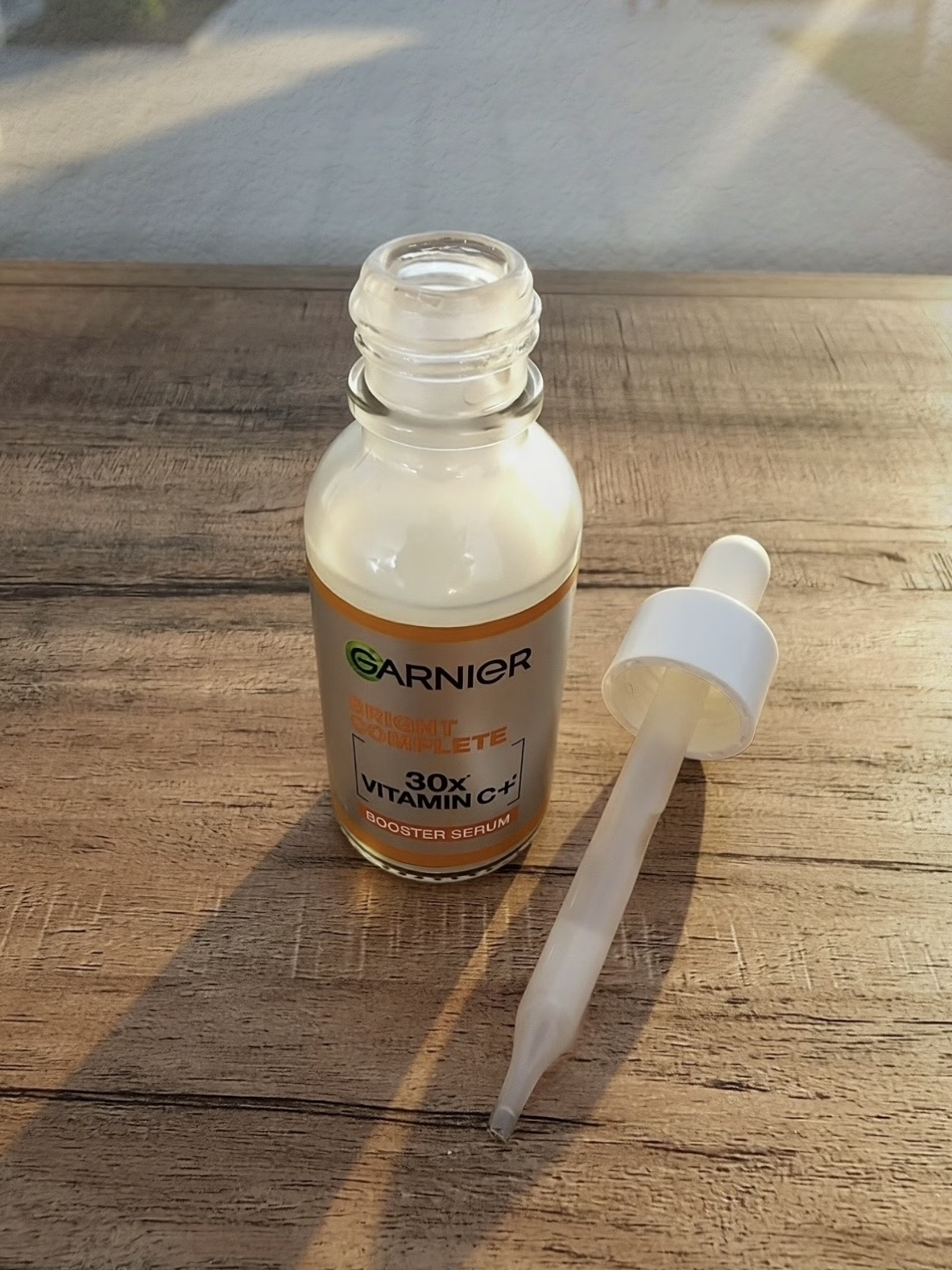
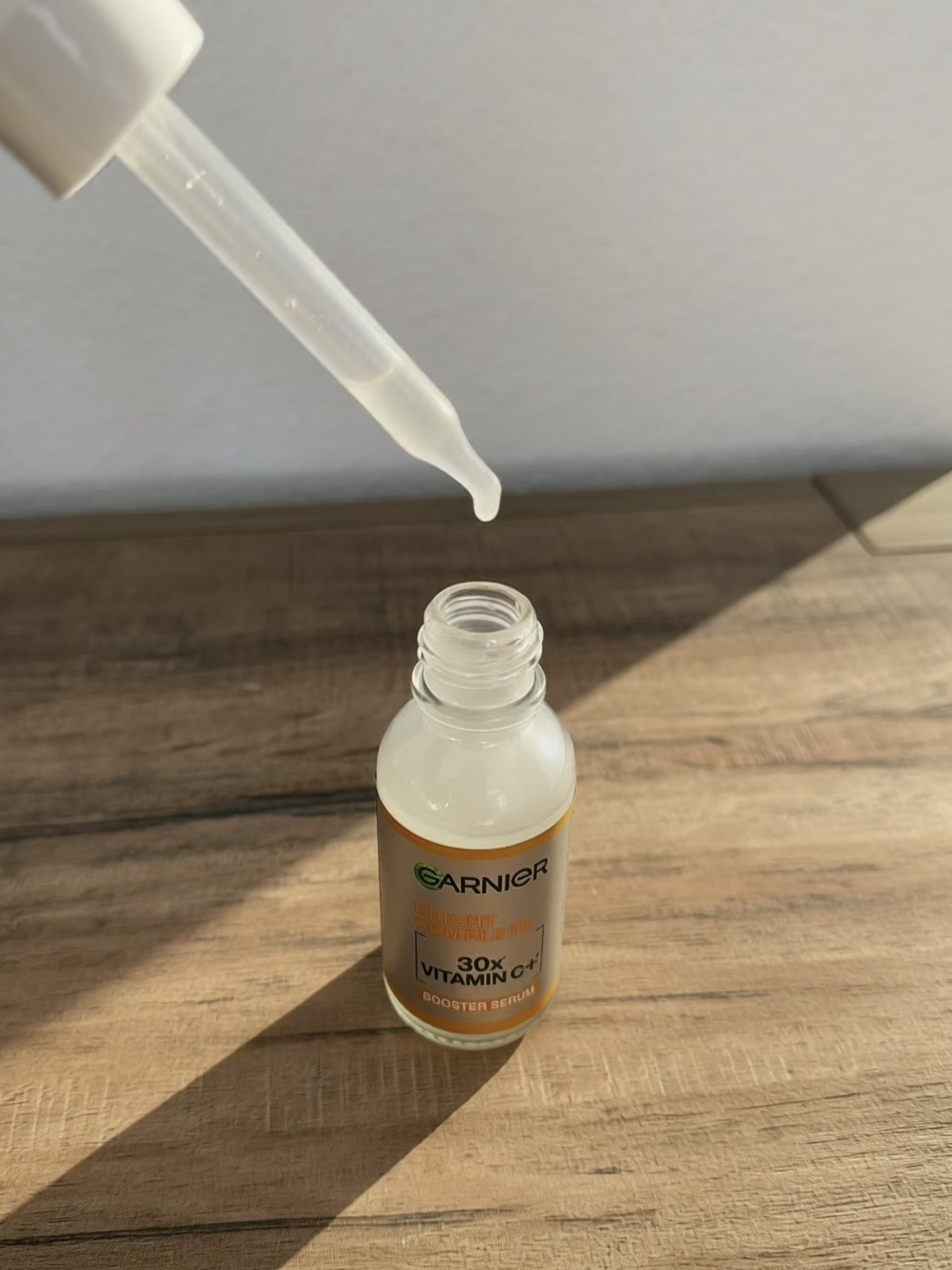
This widely available drugstore serum targets dark spots and dullness specifically, often marketed with claims about visible results within weeks. It’s a solid middle-ground option.
Type of product & formula: Uses a combination of vitamin C derivatives and brightening support ingredients at mid-range strengths suitable for daily vitamin use. Some formulations include additional actives for enhanced brightening.
Pros:
- Strong focus on tackling dark spots and achieving brighter skin at a reasonable price
- Lightweight, fast-absorbing texture that works well under SPF and makeup
- Easy to find in supermarkets, drugstores, and online across many countries
- Often comes in packaging designed to slow oxidation
- Good option for addressing post-acne marks or mild sun spots
Cons:
- May contain fragrance or alcohol depending on formula/region, which can irritate sensitive skin types
- Results on deep or long-standing pigmentation may be modest compared to higher-strength options
- Some users experience mild tingling on first use
- Might cause dryness for those with already dry skin
Approximate price: $18-$28 USD for approximately 1 oz / 30 ml
Best for: People with visible dark spots or post-acne marks who want a brighter, more even complexion without jumping to luxury prices. Ideal for those comfortable with a slightly more “active” feel than the gentlest budget options.
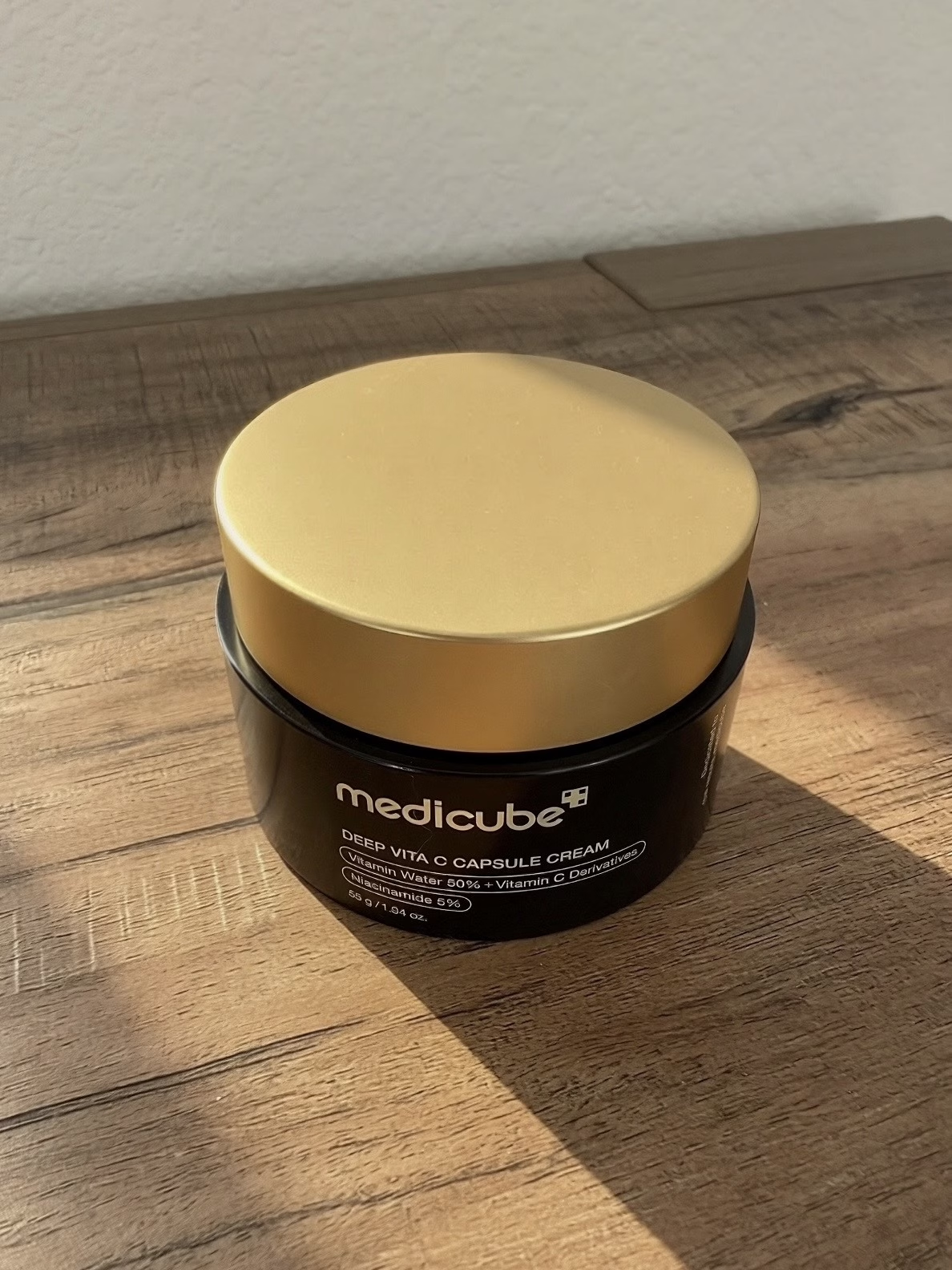
Medicube Deep Vitamin C Capsule Cream
Type of product & formula: A water-based, highly concentrated ampoule featuring 14.5% Pure Vitamin C (Ascorbic Acid). It is enriched with Glutathione and Panthenol to boost antioxidant protection and maintain skin moisture, alongside Alpha-bisabolol for enhanced brightening and soothing.
Pros:
- High Potency: Contains a significant percentage of pure Vitamin C for faster, more visible results on dark spots and skin tone.
- Innovative Packaging: Uses a “3-shielding” bottle design that protects the formula from light and air, reducing the risk of oxidation.
- Users have been reporting improvements in radance, texture and fine lines within 8-12 weeks.
- Layering: Features a lightweight, non-sticky texture that absorbs quickly, making it easy to incorporate into complex routines.
Cons:
- Potentially Irritating: The high concentration of pure ascorbic acid may cause a mild stinging or warm sensation, especially for those with very sensitive skin or active breakouts.
- Scent: Some users find the natural “vitamin” scent of the pure formula to be somewhat strong or medicinal.
- Usage Restrictions: Should not be used in the same routine as other strong actives like AHAs, BHAs, or Retinol to avoid over-sensitizing the skin. C
Approximate price: $25 – $38 USD for a set of three 10ml bottles (totaling ~1 oz).
Best for: Intermediate to advanced skincare users who have already tested milder Vitamin C products and are now looking to treat visible sun damage, acne scars, or aging spots. It’s an ideal choice for anyone prioritizing clinical results and freshness over basic maintenance.

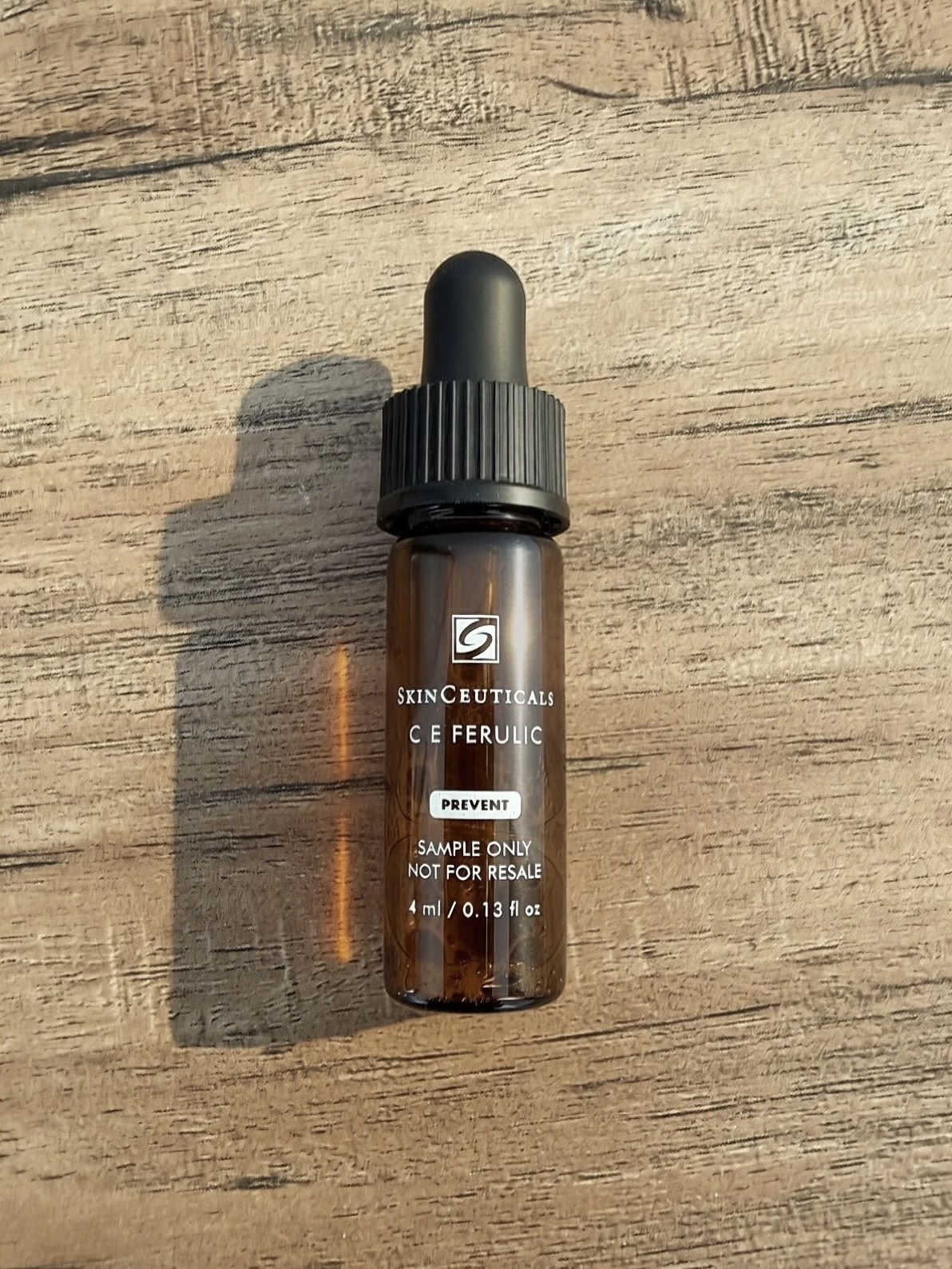
SkinCeuticals Vitamin C & E Serum (C E Ferulic)
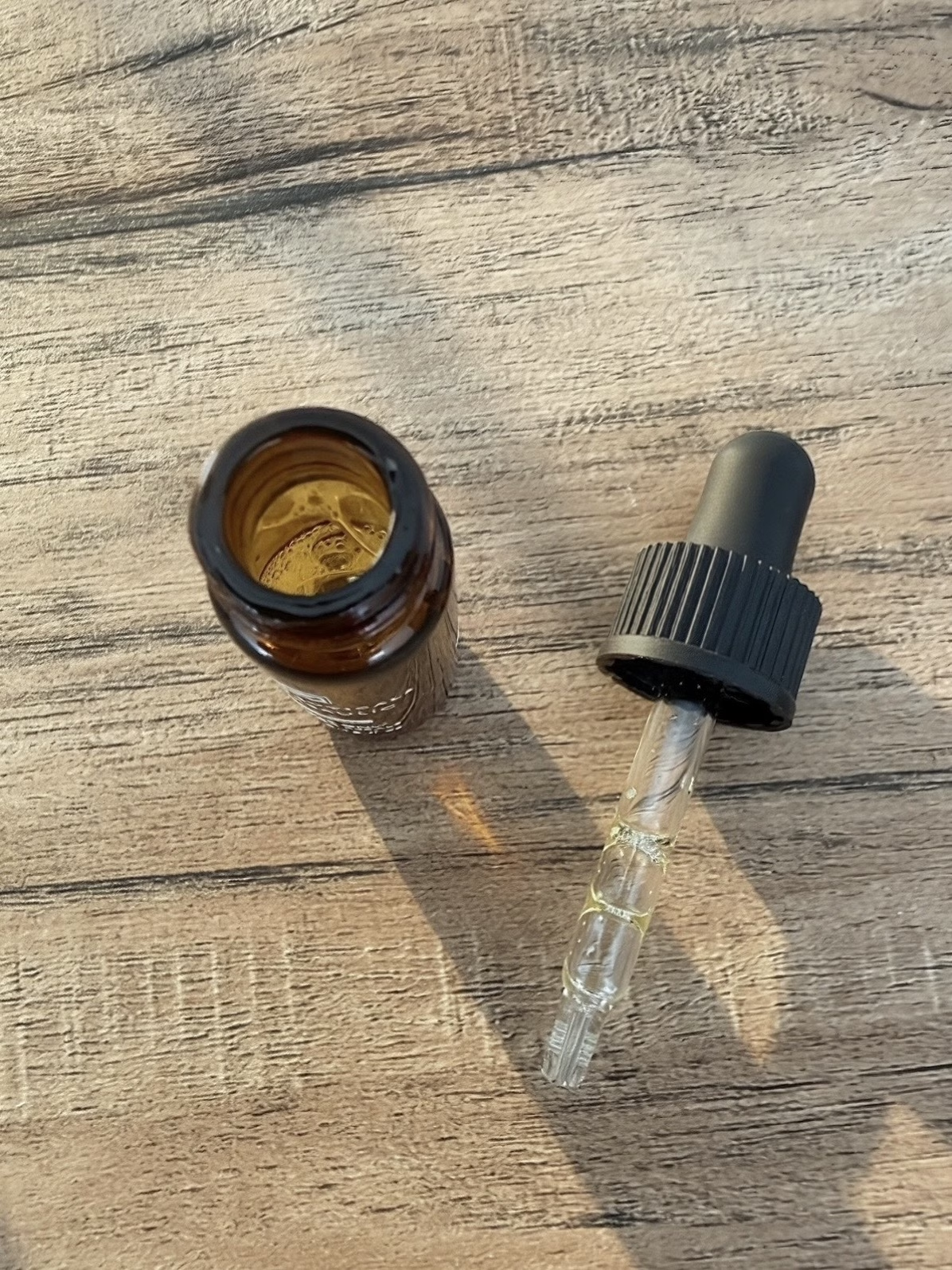
SkinCeuticals C E Ferulic is often considered a gold standard c serum in dermatology circles—and dermatologists, including many a board certified dermatologist, frequently recommend it. But it’s also very expensive, which makes it a serious investment. I was lucky to have a sample of the SkinCeuticals C E Ferulic to try it and provide my review as part of this blog.
Type of product & formula: Contains 15% pure l ascorbic acid (the purest form), 1% vitamin E, and 0.5% ferulic acid. This patented combination dramatically boosts antioxidant power and formula stability.
Pros:
- Backed by extensive clinical data and dermatologist recommendations
- Potent antioxidant protection that pairs exceptionally well with daily SPF
- Many users report noticeable improvement in radiance, texture, and fine lines within 8-12 weeks
- Research shows significant increases in collagen and protection against environmental damage
- Texture layers well under moisturizer and sunscreen without pilling
Cons:
- Very high price point—hard to justify for some budgets
- Distinct smell (often described as metallic or unusual) that some people strongly dislike
- 15% pure ascorbic acid can be too strong for very sensitive skin, causing stinging
- Must be protected from light and air; replace if serum turns dark brown
- Not ideal for those just starting with topical vitamin C
Approximate price: $180-$220 USD for 30 ml
Best for: Those with established routines ready to invest in a high-strength, clinically backed popular vitamin C serum. Especially suitable for people focused on long-term anti aging, fine lines, skin repair, and serious antioxidant protection. This makes vitamin C work at its maximum potential.
Choosing the Right Vitamin C Serum for Your Skin and Budget
There’s no single “best” vitamin C for everyone. Your skin type, sensitivity level, skin condition, and budget all play a role in finding the right fit.
Decision pathways:
| If you’re… | Consider… |
|---|---|
| New to vitamin C or on a strict budget | e.l.f. Vitamin C & E Brightening Serum |
| Focused on dark spots but want to stay affordable | Garnier Vitamin C Brightening Serum |
| Ready to invest seriously in anti-aging and antioxidant protection | SkinCeuticals C E Ferulic |
Storage and maintenance tips:
- Pay attention to packaging—dark glass and air-tight pumps help slow oxidation
- Store vitamin C away from heat and direct sunlight
- Watch for visible changes in color (dark orange or brown) or smell as signs it’s time to replace
- Most vitamin C serums should be finished within 3-6 months of opening for optimal results
Here’s something worth remembering: a mid-priced serum used consistently and correctly often delivers better skincare benefits than an expensive product used sporadically. Consistency beats price point almost every time.

FAQs About Using Vitamin C Serum in Your Routine
How long does it realistically take to see results from vitamin C?
Mild brightness and a more “awake” look can appear within 2-4 weeks of daily morning use for many people. You might notice your skin looks a bit more radiant or that makeup applies more smoothly.
For fading dark spots and noticeable texture improvements, expect closer to 8-12 weeks of consistent use, especially when combined with daily SPF to prevent new sun exposure damage. Deeper pigmentation or more advanced signs of aging may need several months, and sometimes additional treatments like retinoids or professional procedures for best results.
Can I use vitamin C with retinol, acids, or niacinamide?
Vitamin C can be combined with many active ingredients, but for most people the least irritating approach is adding vitamin C in the morning and retinol or stronger acids at night. This separation gives your skin time to absorb each without overwhelming your protective barrier.
Niacinamide typically pairs well with vitamin C, especially in modern formulations, and can help reduce redness and support skin health. If you have very sensitive skin, introduce one active at a time and do a patch test first, spacing out new additions by at least 1-2 weeks.
What concentration of vitamin C should I start with?
Beginners or those with sensitive skin should start around 8-15% total vitamin C concentration, watching carefully for stinging or redness. This lower range still delivers skincare routine vitamin benefits without overwhelming reactive skin.
Experienced users seeking stronger brightening and anti-aging effects often use 15-20% concentrations, as long as their skin tolerates it well. Remember that more isn’t always better—if higher strengths cause irritation, it’s smarter to drop down and use a gentler, more stable form consistently.
Is it better to use vitamin C in the morning or at night?
Most people get the greatest benefit from using topical vitamin c in the morning because of its antioxidant protection against daytime uv rays and pollution. This timing takes advantage of vitamin C’s ability to reduce free radical damage during the hours you’re most exposed.
Those who find vitamin C irritating can try using it at night instead, but should avoid layering too many strong actives on top. Whichever time you choose, consistency remains the most important factor for seeing real results in your skin.
How do I know if my vitamin C serum has gone bad?
Pure ascorbic acid serums naturally darken slightly over time—a light amber color is normal. However, a sudden shift to deep orange or brown and a sharp or rancid smell are clear signs of oxidation and degradation.
Discard any serum that has significantly changed color, smells off, or causes new irritation when it was previously well-tolerated. Writing the opening date on the bottle helps you track freshness. Most vitamin c supplements and serums should be finished within 3-6 months of opening for best potency and to avoid the harmful effects of applying oxidized product to your skin.